


Opening of the Winter Expedition Season in 2025
On February 24-26, 2025, the first winter expedition was carried out to develop and improve hydroacoustic methods for studies of the distribution and assessment of pelagic fish stocks in the winter (ice) season (expedition cheif - P.N. Anoshko).
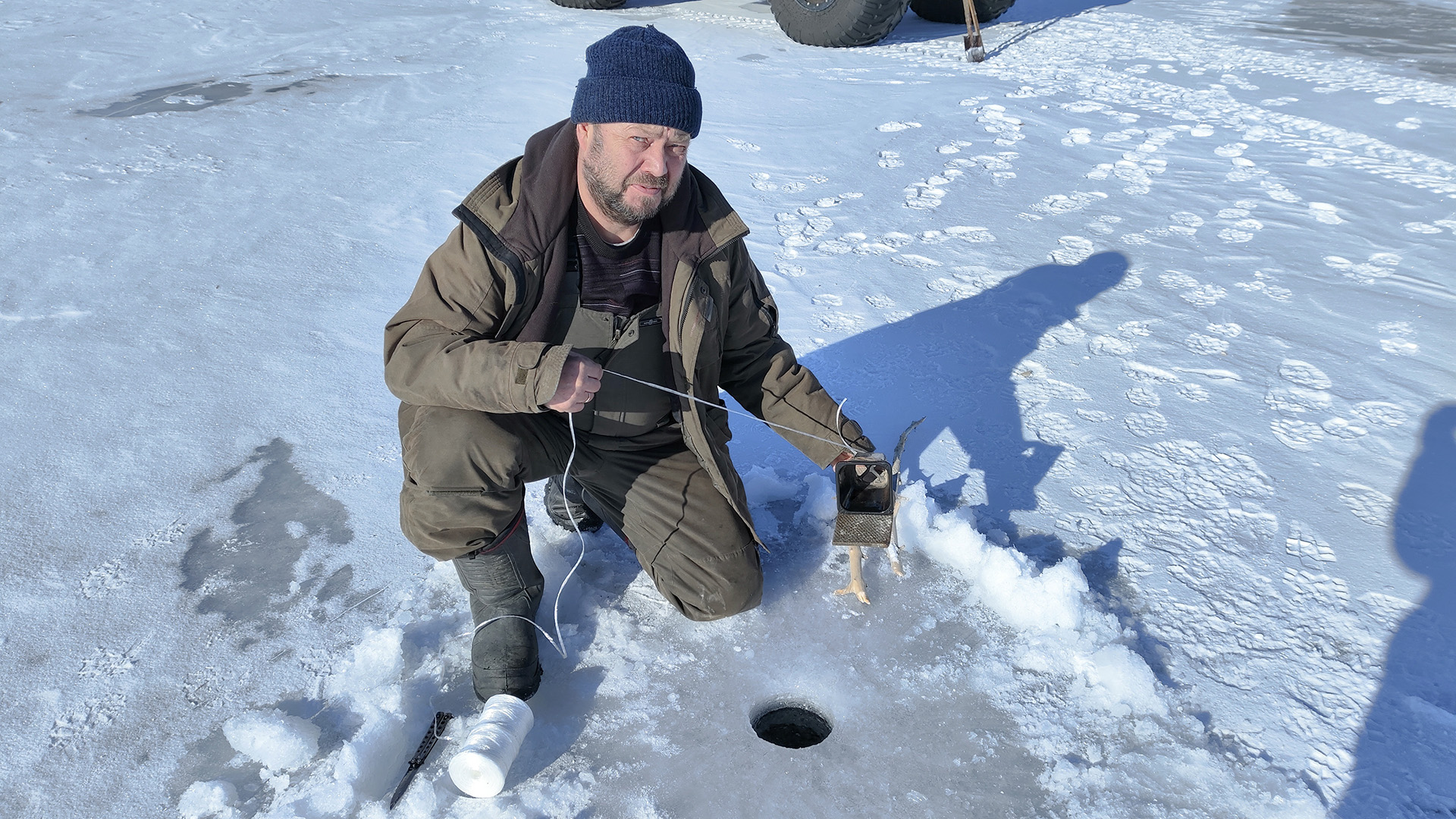
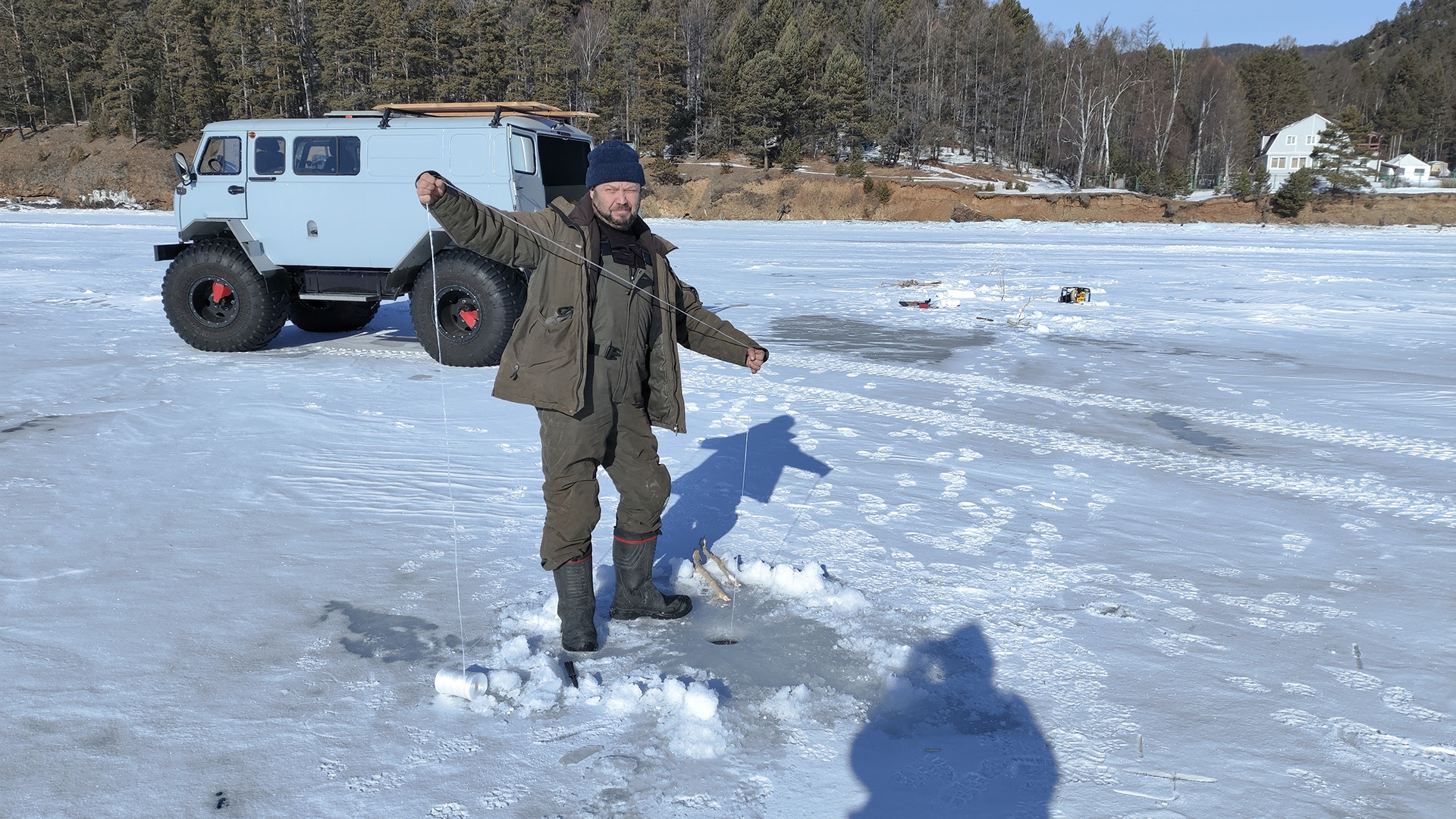
Expedition objectives: 1) Conducting hydroacoustic observations from the ice cover of Lake Baikal at points with different depths; 2) Setting up traps (nests) to determine the depths and timing of spawning of pelagic fish.
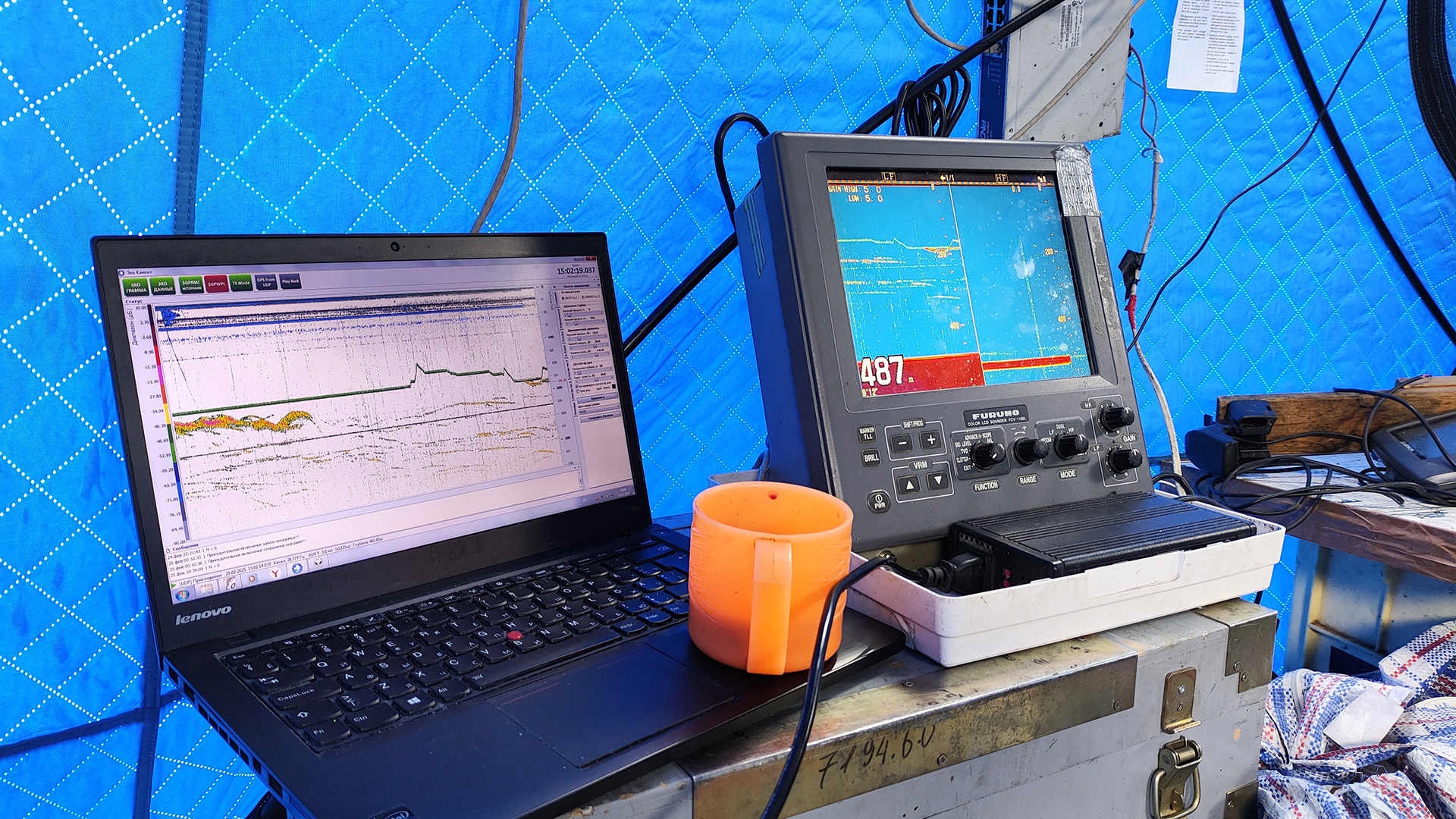
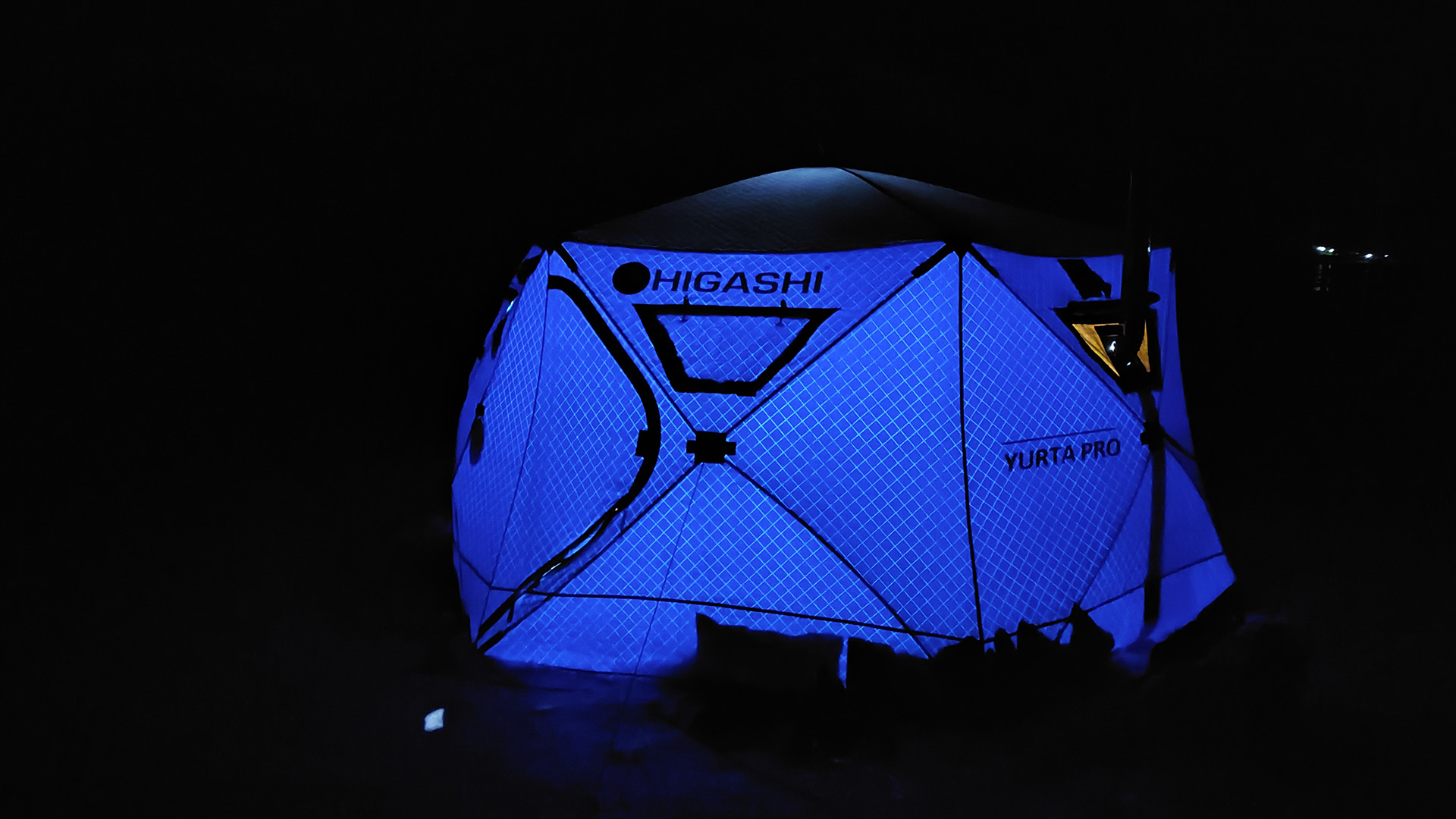
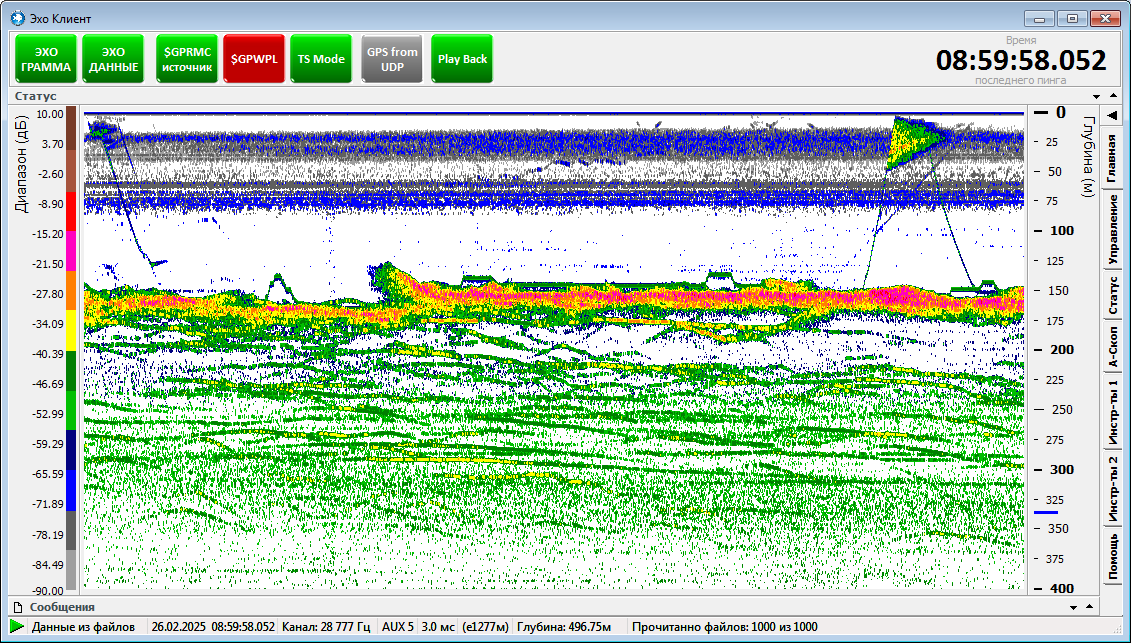
Field work was carried out within the State Assignment No. 0279-2022-0004 “Assessment of ecological and economic aspects of the impact on Lake Baikal from ongoing and planned anthropogenic factors in the Baikal natural area, rational nature management, water and bioresource potential of Lake Baikal” (led by M.M. Makarov). Research was carried out in the area the scientific hospital of LIN SB RAS in the settlement of Bolshye Koty. The ice thickness in the area of field work was 50-62 cm, which ensured the safe movement of the snow and swamp-going vehicle and people. Hydroacoustic survey was carried out for 36 hours by the Echo-Baikal complex, located in the Higashi winter tent.
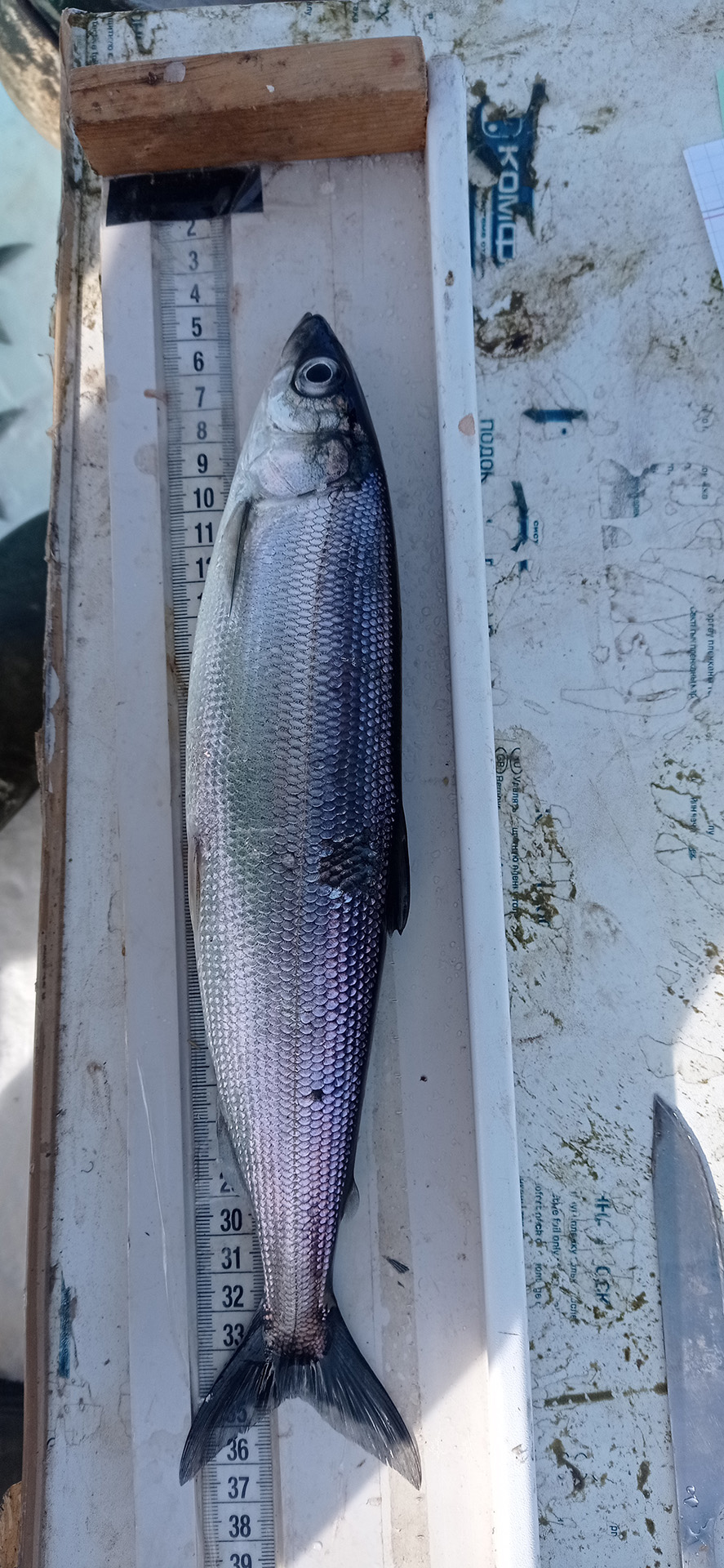
Preliminary analysis of hydroacoustic survey data confirms the distribution of pelagic fish characteristic of the winter period. Fish form aggregations mainly at depths of 150-200 and 250-300 m. During the day, the distribution is extremely uneven, from the complete absence of fish on echograms to the formation of dense dynamic aggregations. It should be noted that compared to last year, denser aggregations of fish are found in this place. Hydroacoustic records indicate an increase in the number and biomass of the Baikal omul in South Baikal. How significant this increase will be determined during further processing of acoustic data.
Established fish trap catchers, or nests, of the genus Cottocomephorus will be used as a substrate during the spawning period in March, which will allow to establish the depths, timing of spawning and duration of embryonic development.
It should be mentioned that the current development of technology enables to create autonomous hydroacoustic recorders (echo sounders), combined into a single information network, will be able to provide up-to-date data not only on the number of fish in a limited water area, but their behavior. Such information plays a key role in the management of biological resources of both natural populations and artificially reproducible.