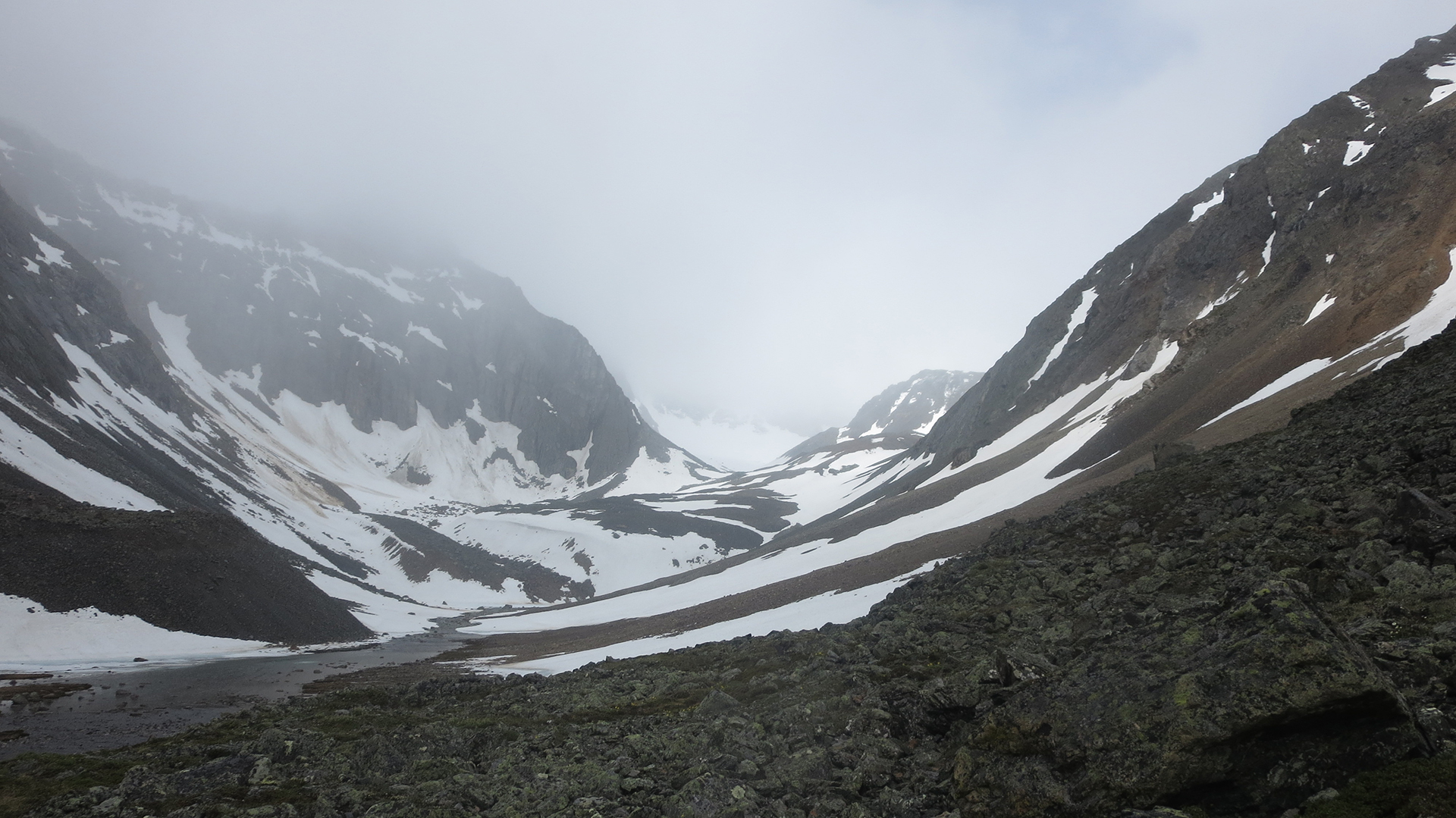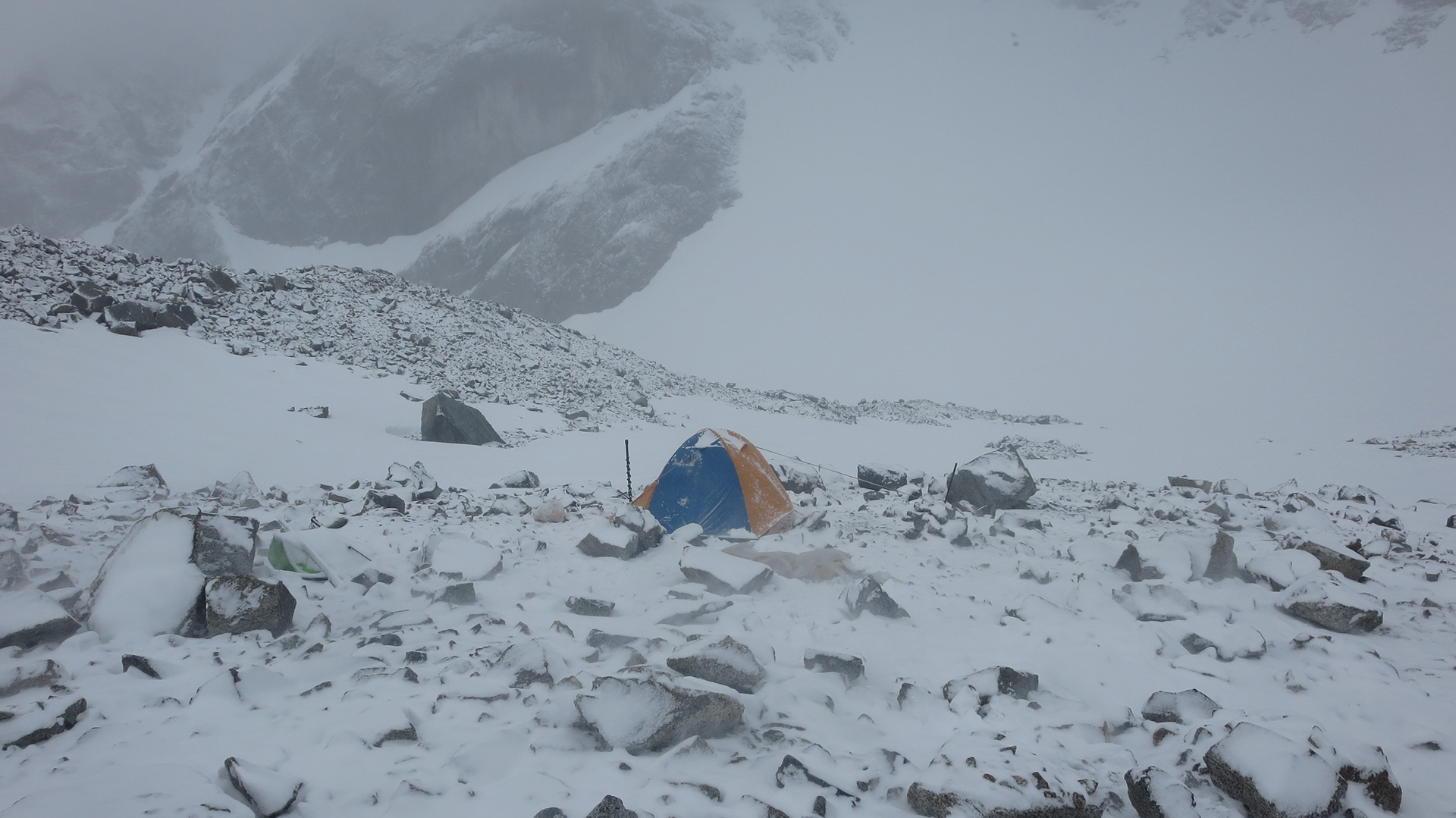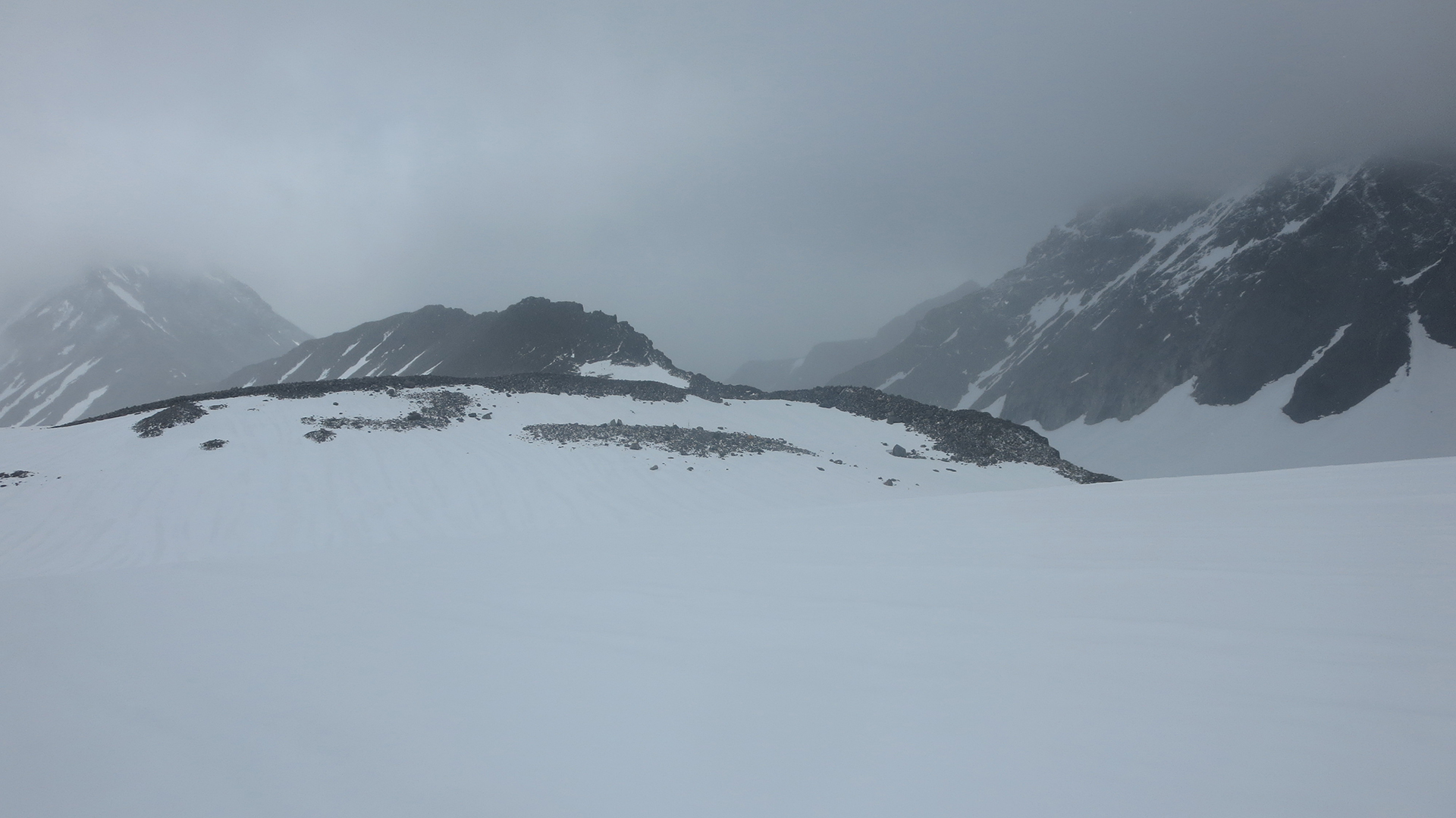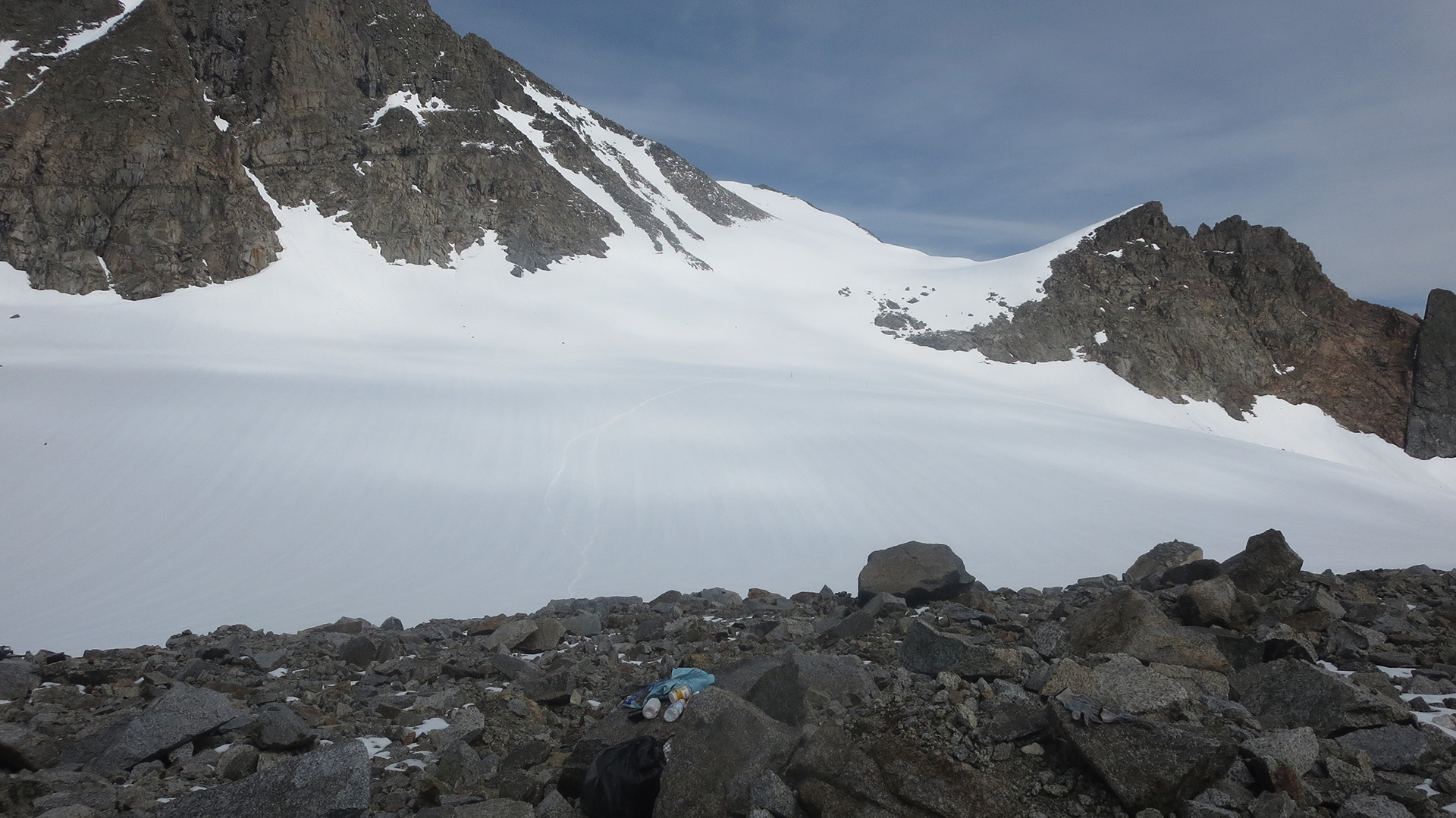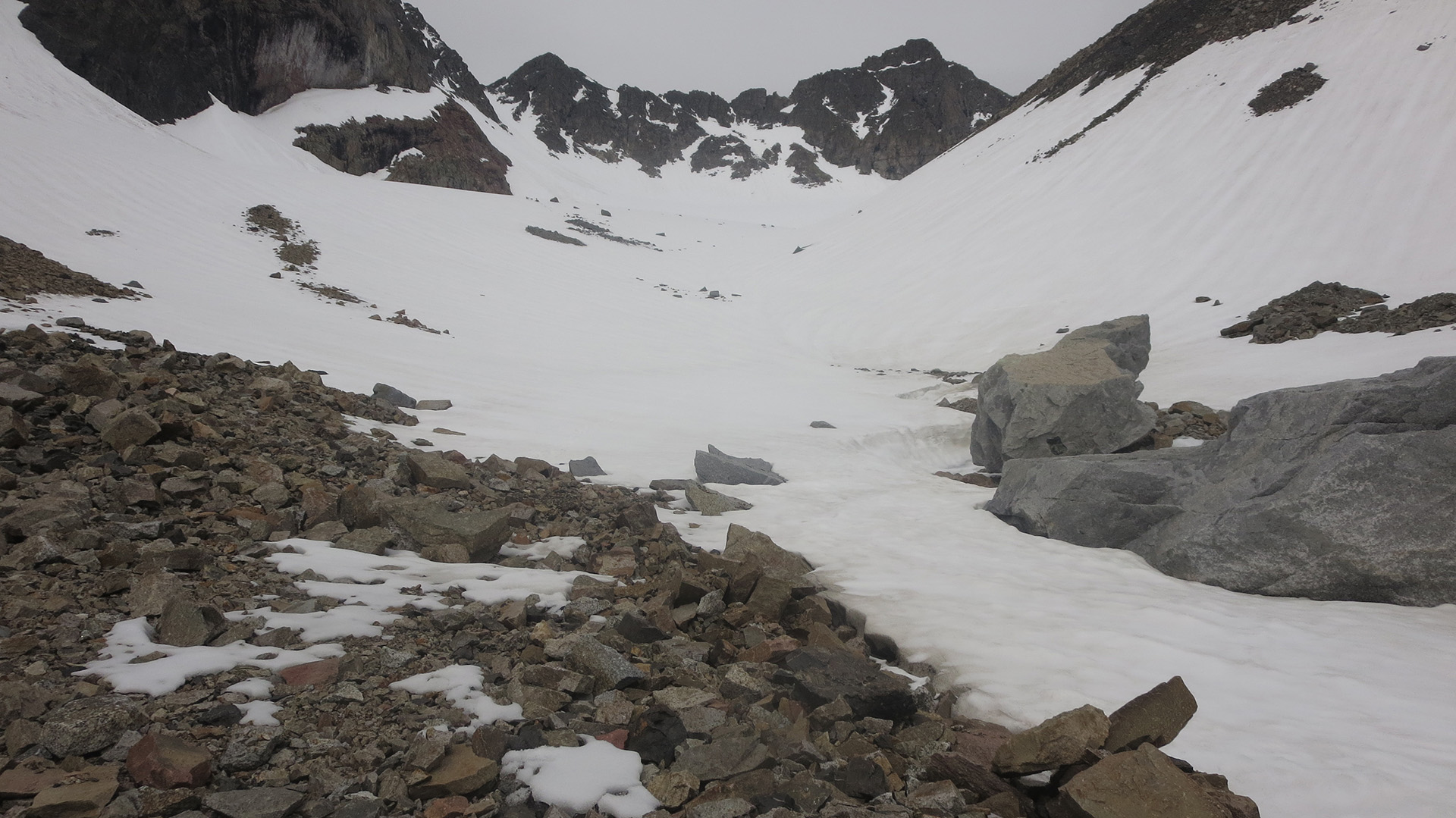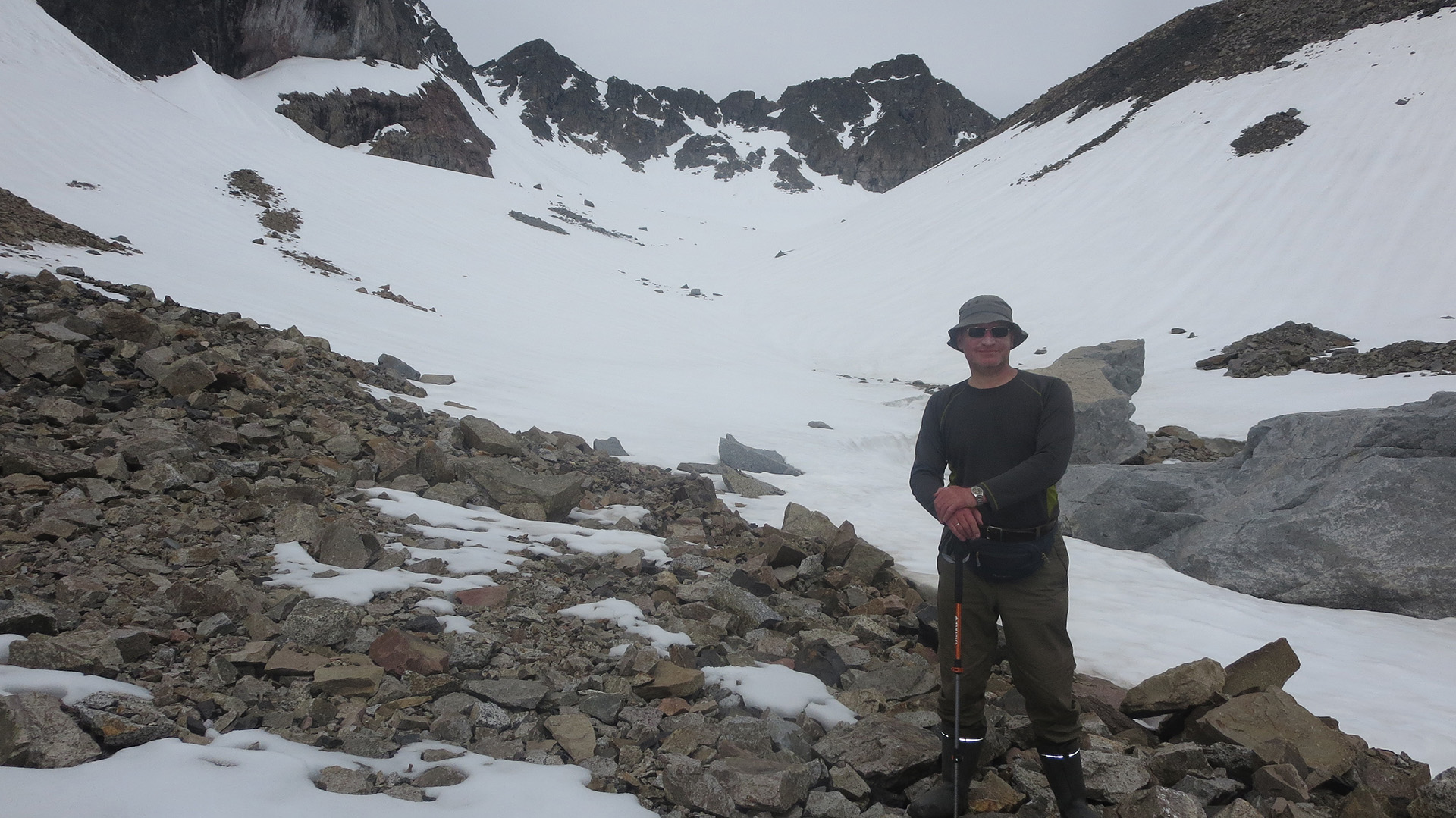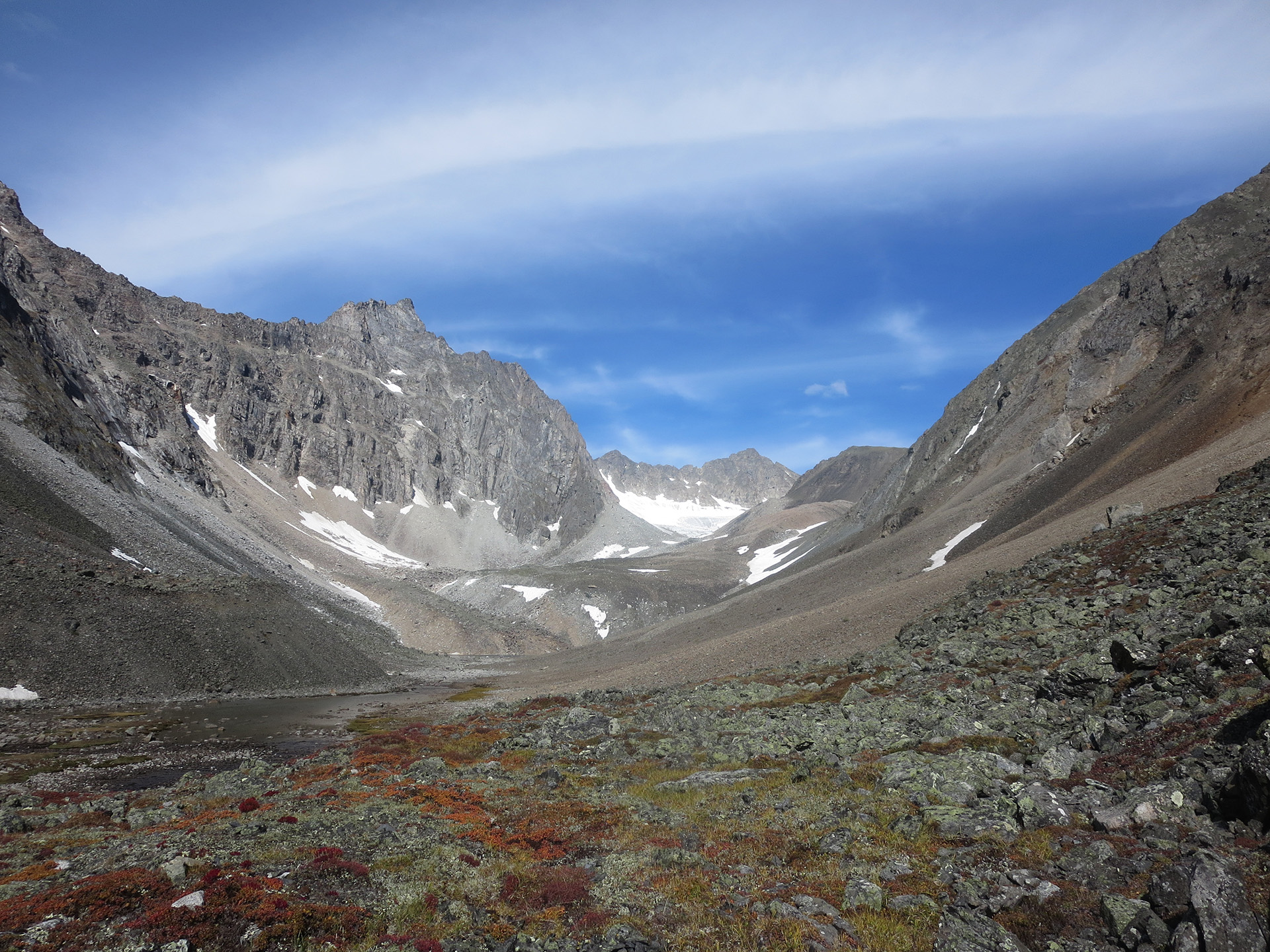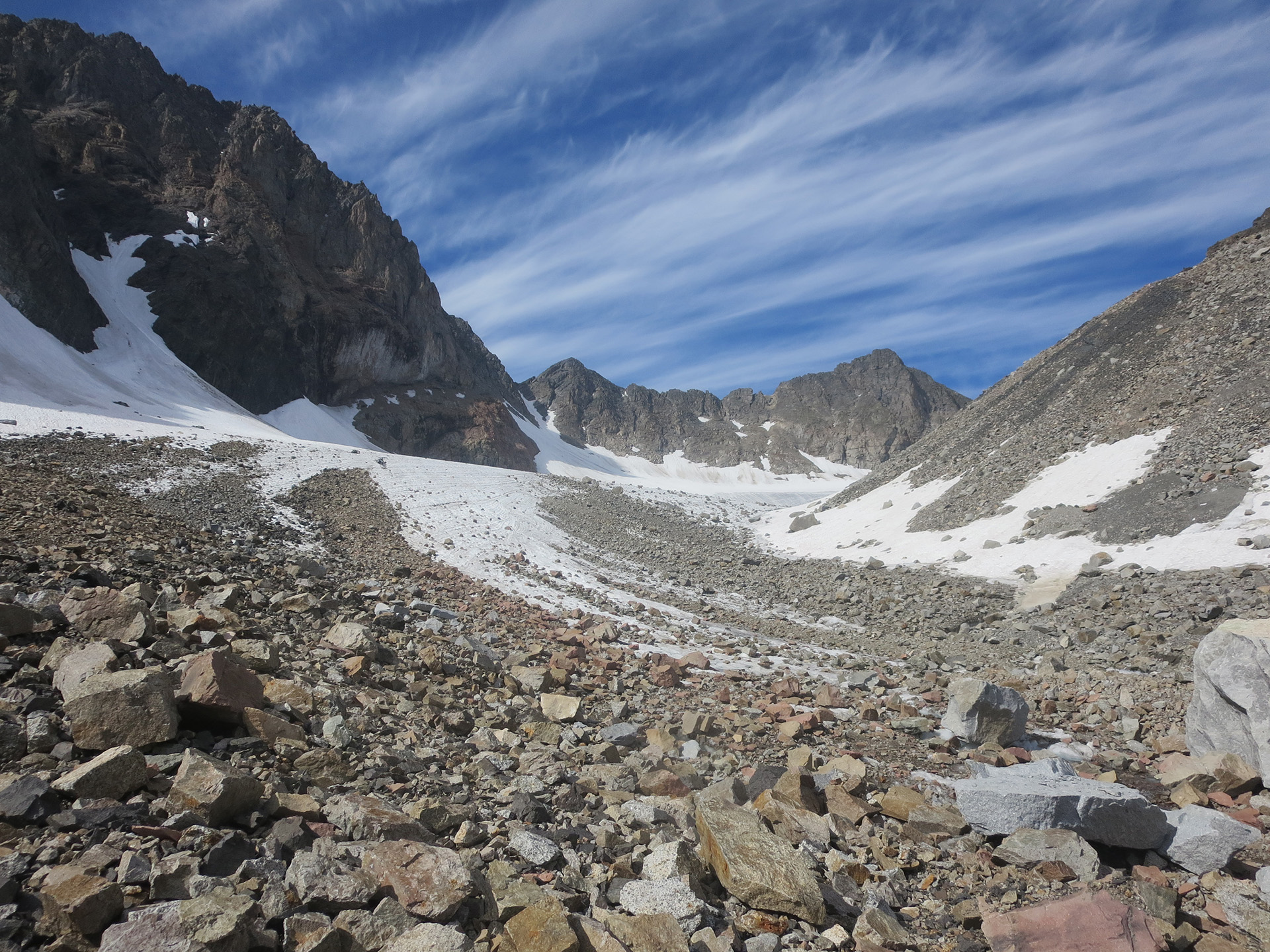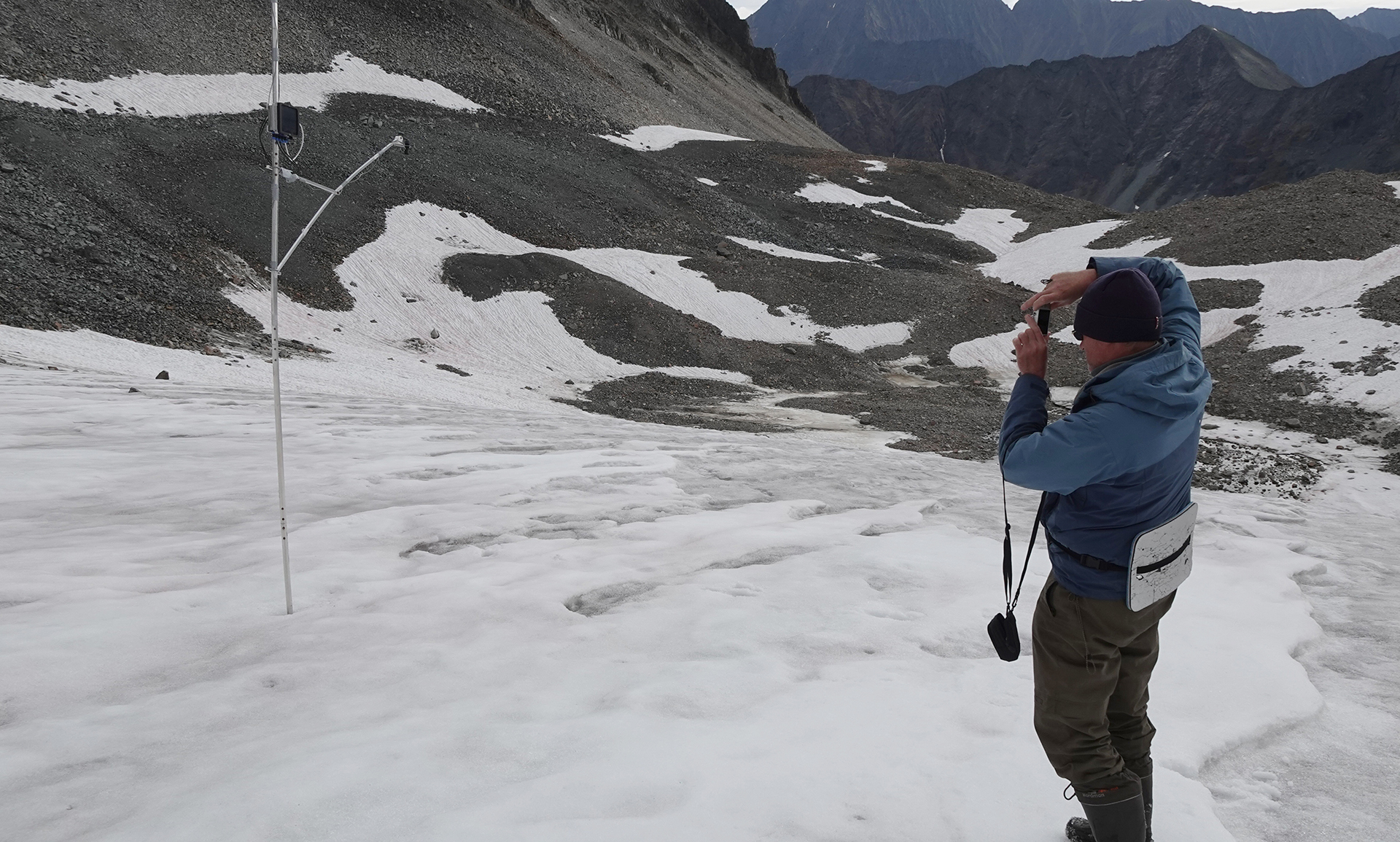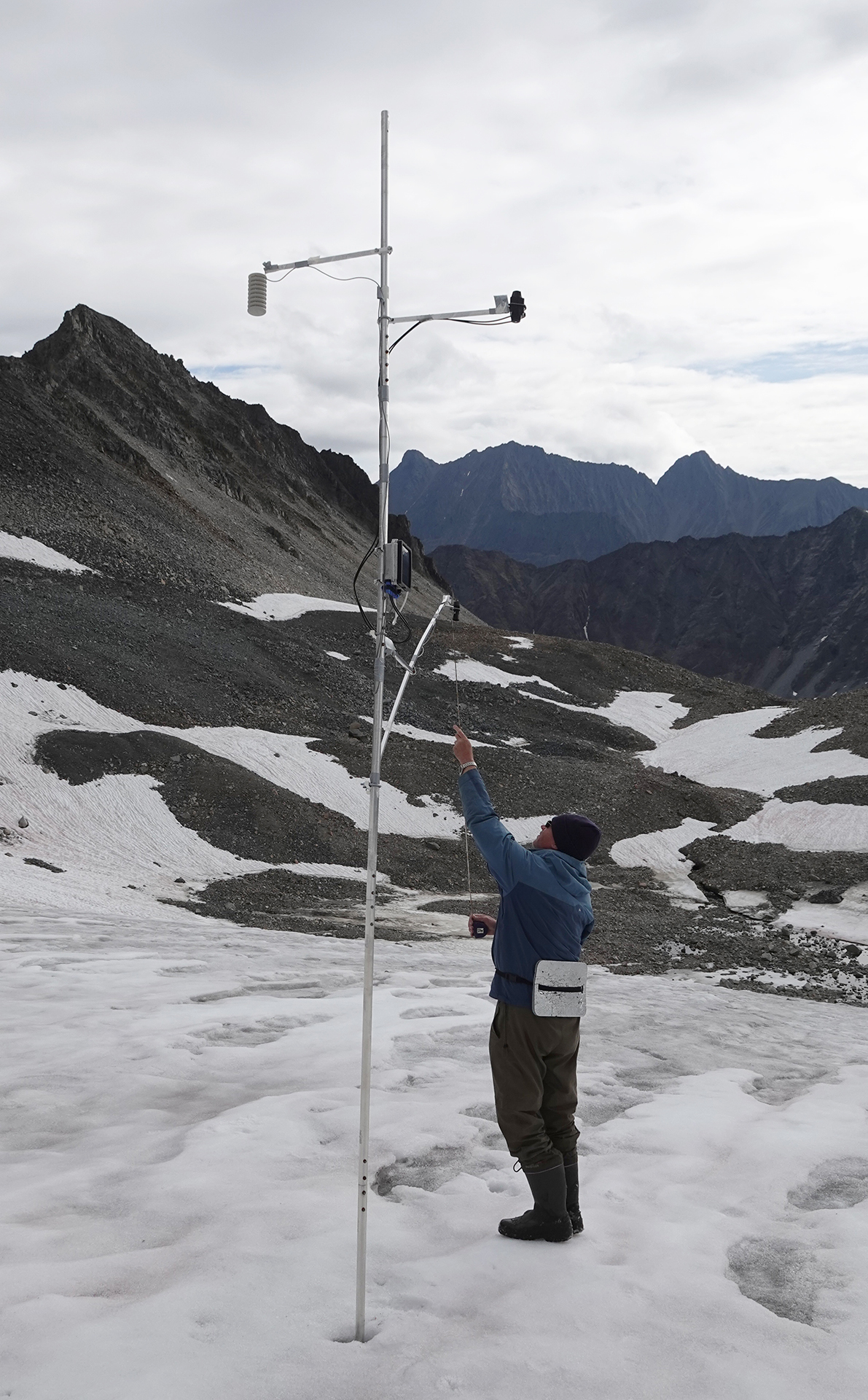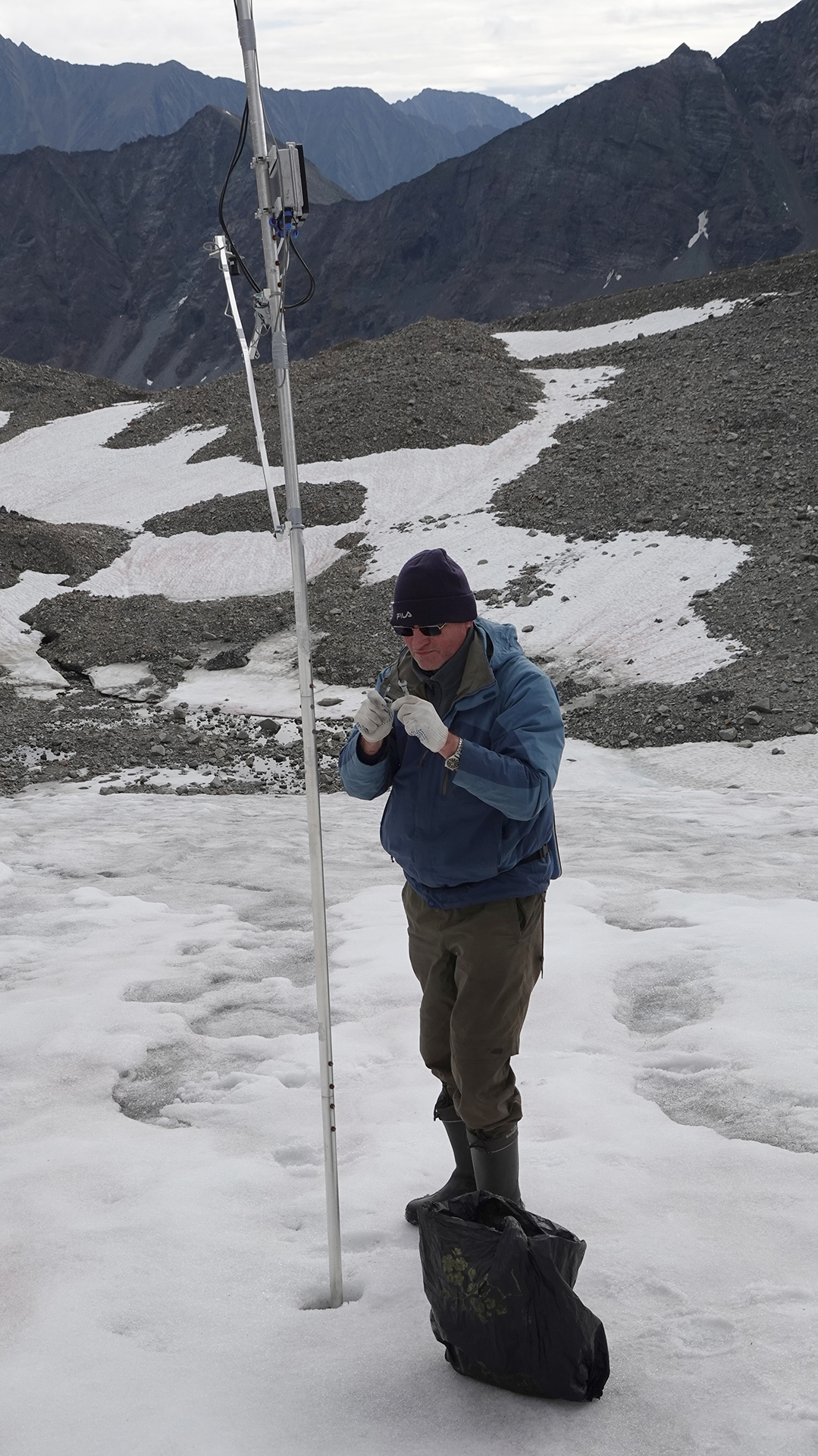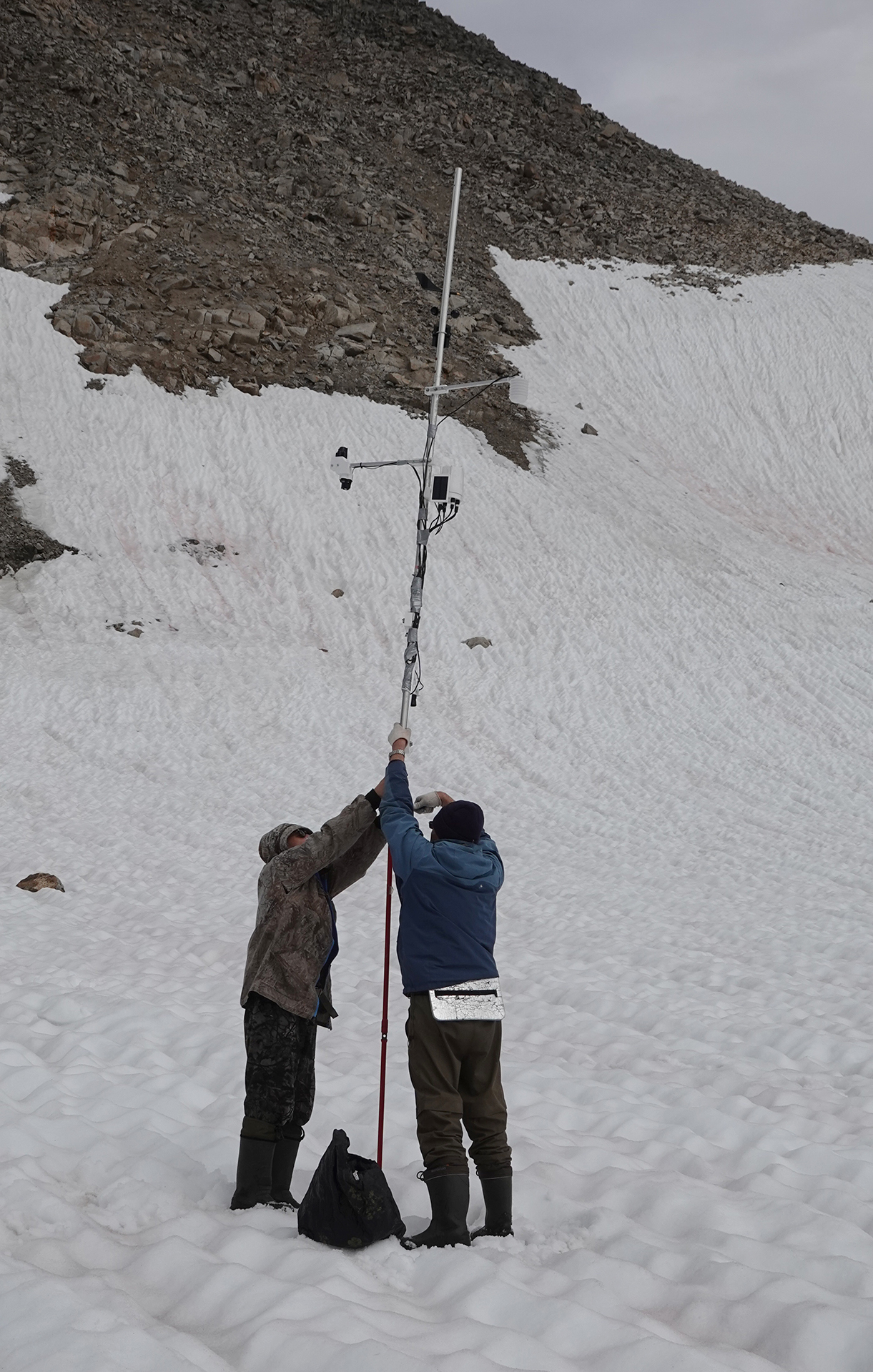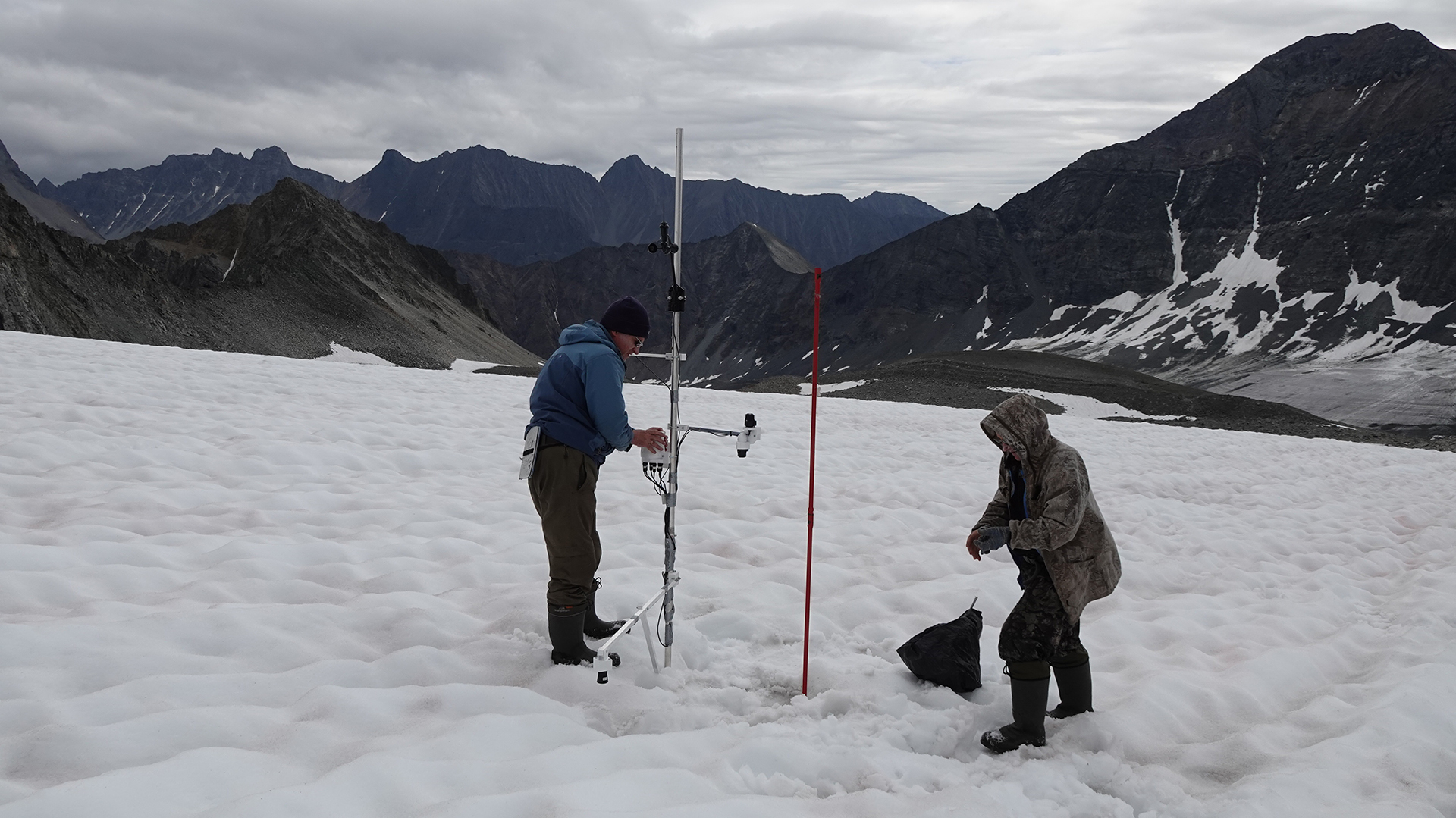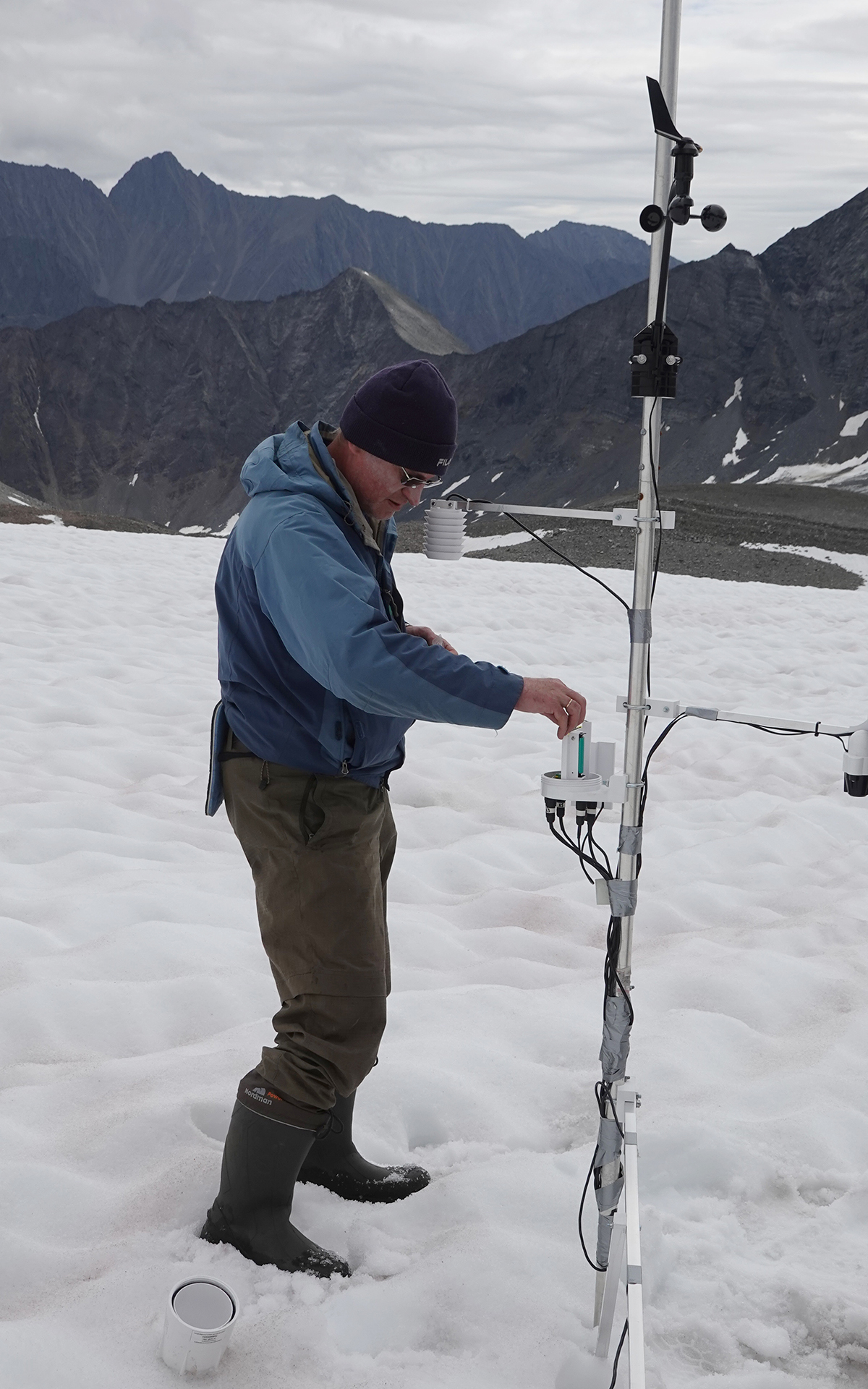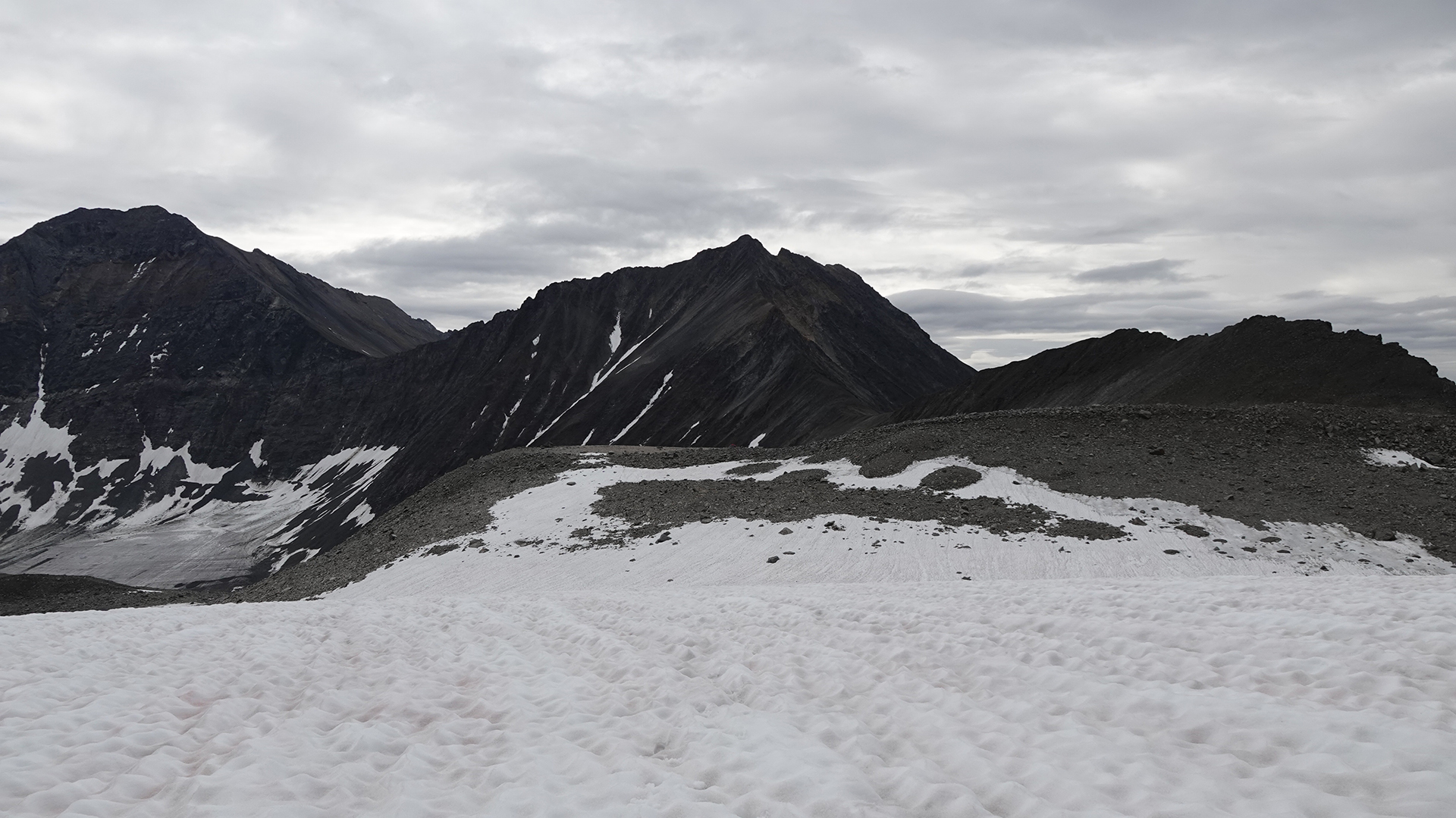



Field work on the Sygyktinsky Glacier (central part of the Kodar Ridge) in summer 2025
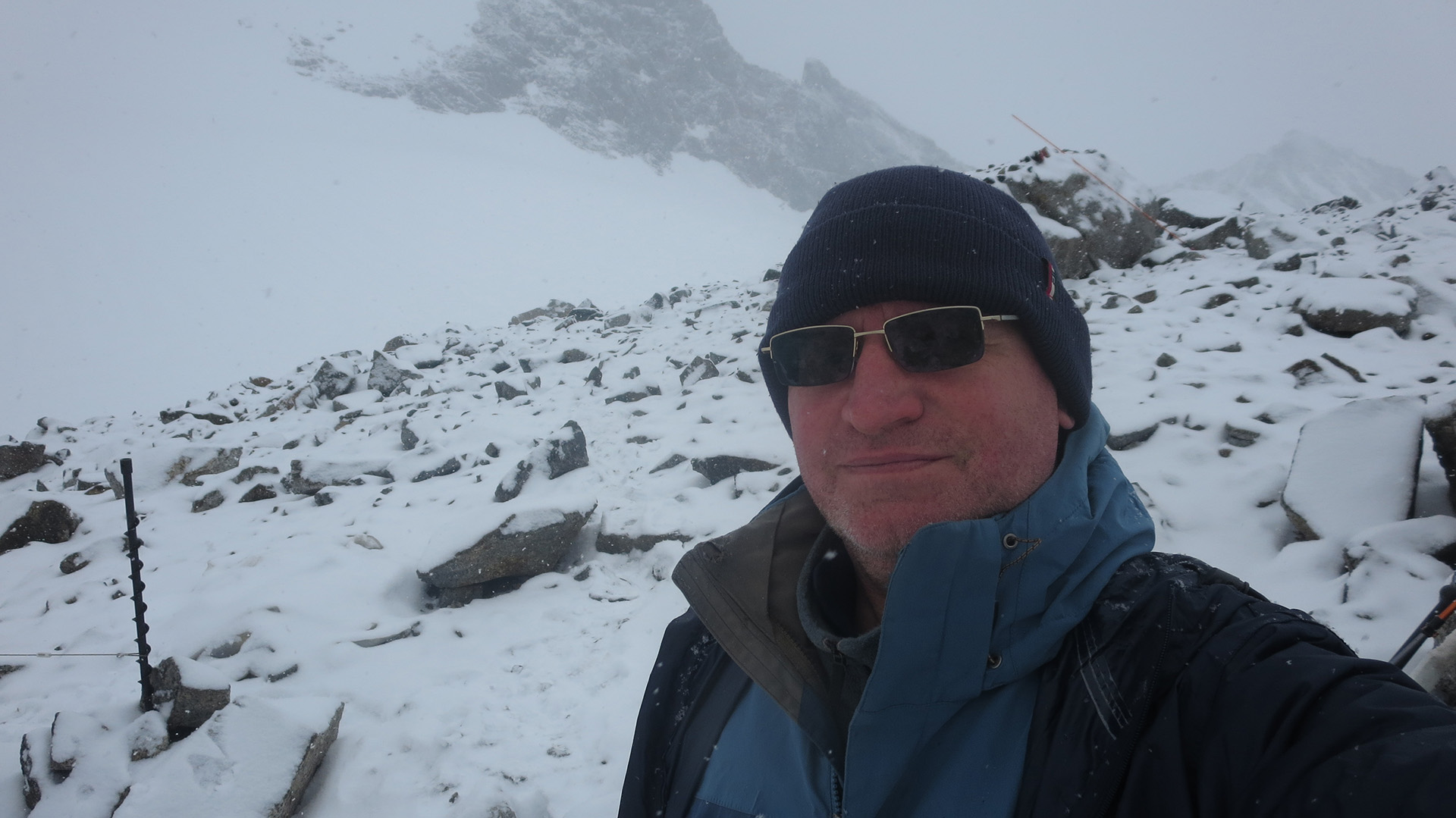
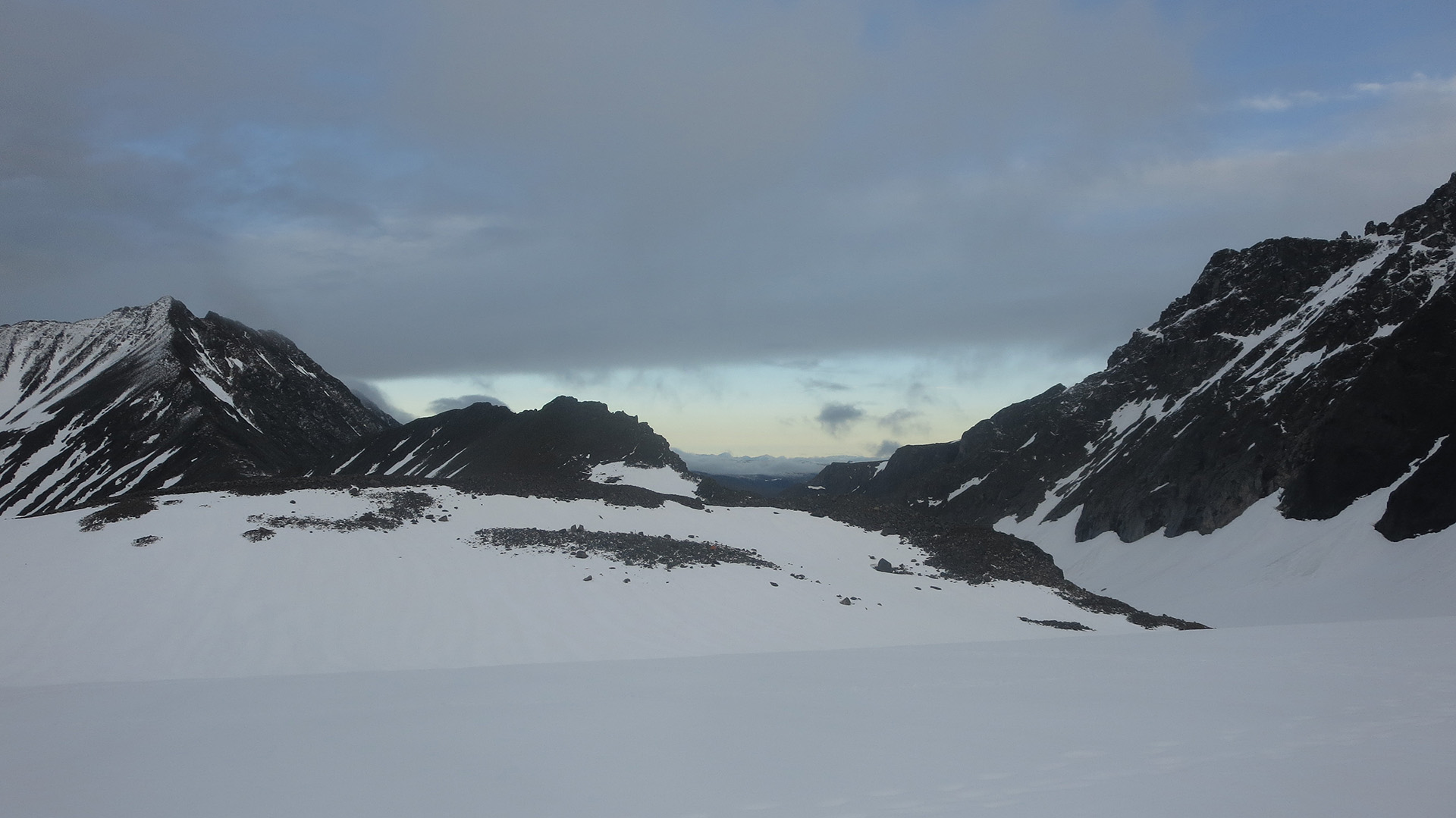
The works were carried out within the project of the Russian Scientific Fund No. 24-27-00165 “Glacioclimatic modelling of the glaciation of the Kodar Ridge” (led by Osipov E.Yu.). The aim of the expedition was to obtain new high-resolution data on glaciological and meteorological regime of the Sygyktinsky Glacier. The Sygyktinsky Glacier is the largest transection glacier on the Kodar Ridge (located in two river basins: Syulban and Levaya Sygykta), it was chosen as a model glacier. Field works in 2025 continued the ongoing series of observations on this glacier, which began in July 2019. Field works were divided into 2 stages: 1) from June 28 to July 13, and 2) on August 17-31. They included meteorological and glaciological observations.
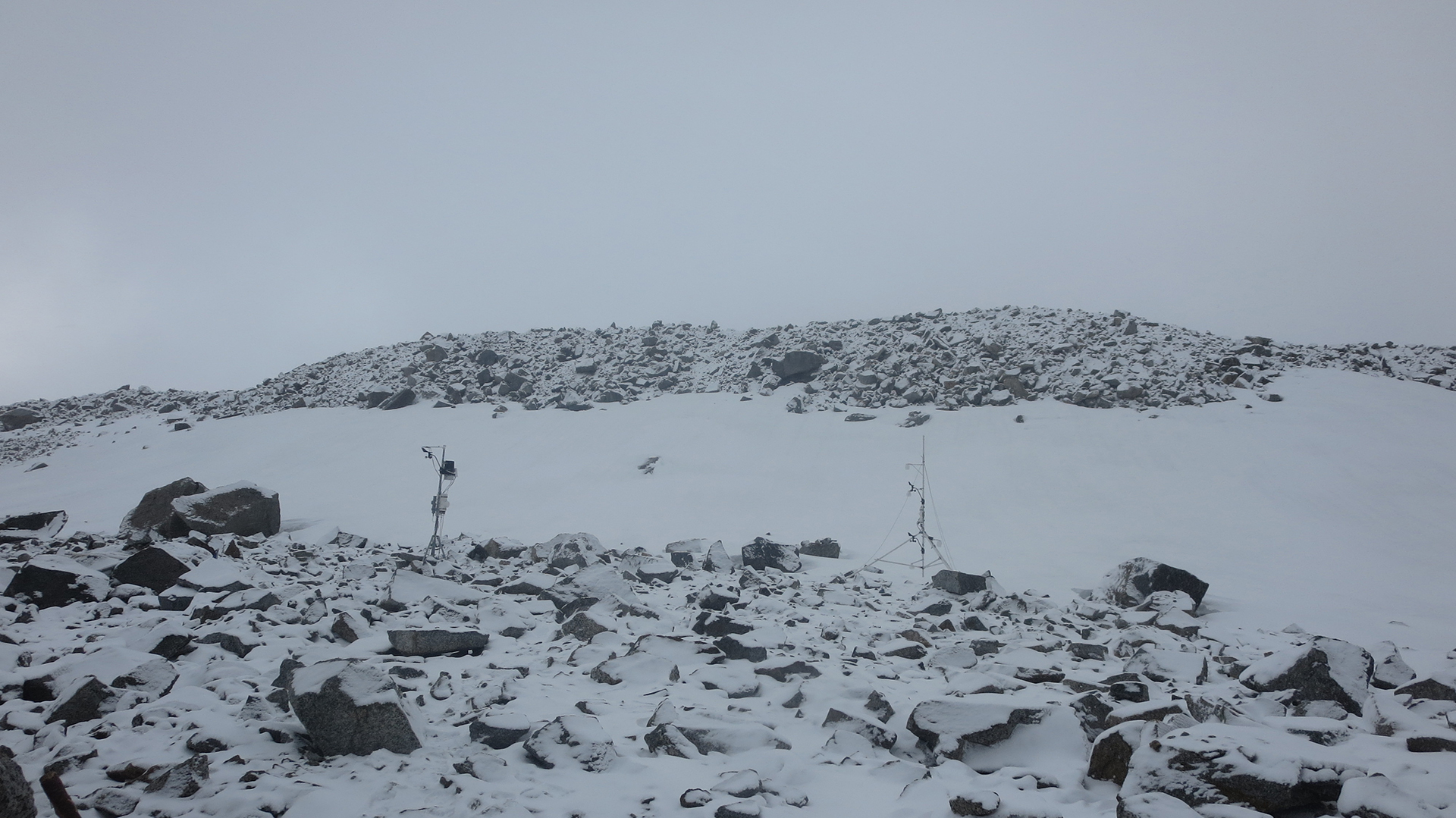
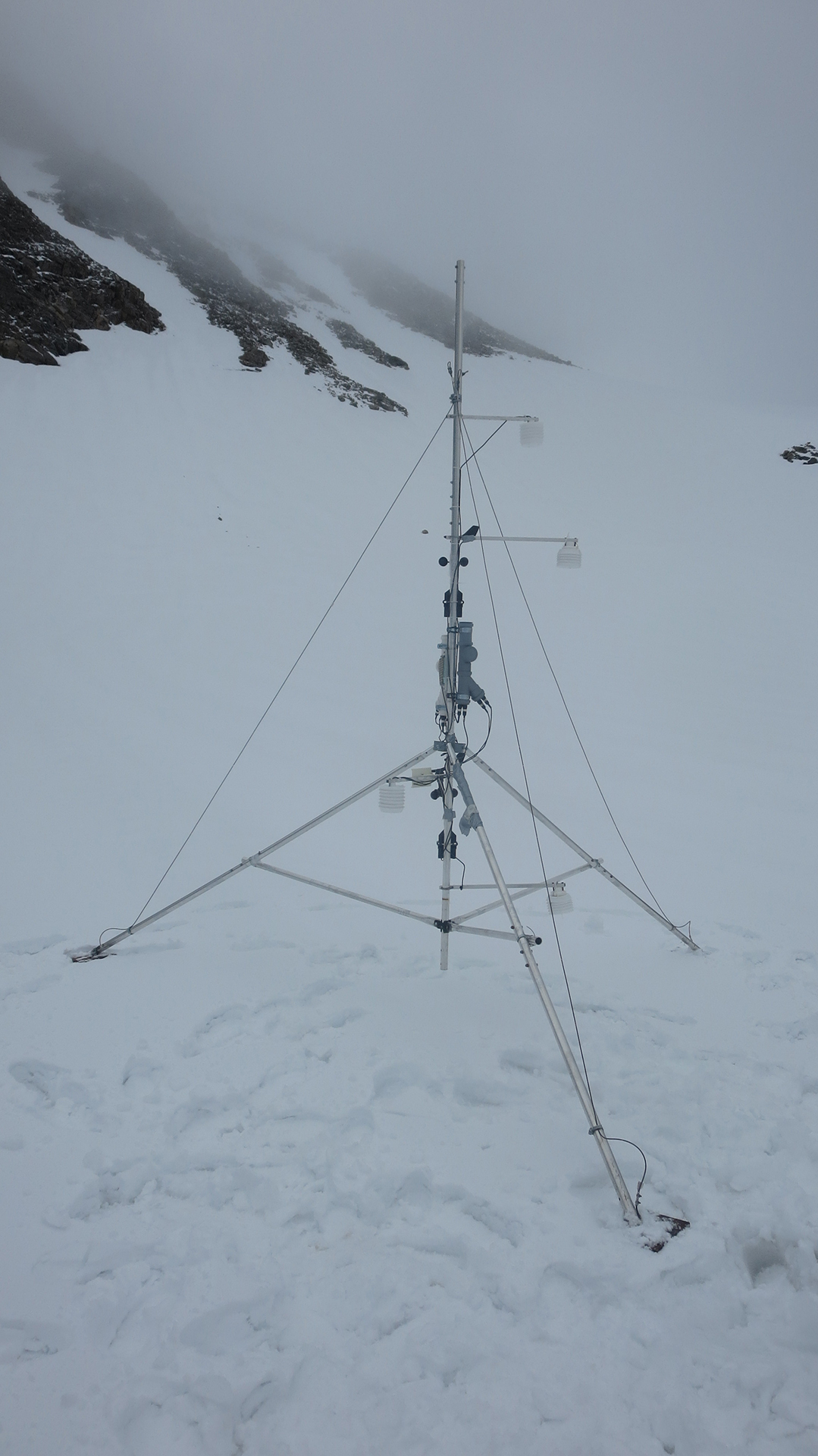
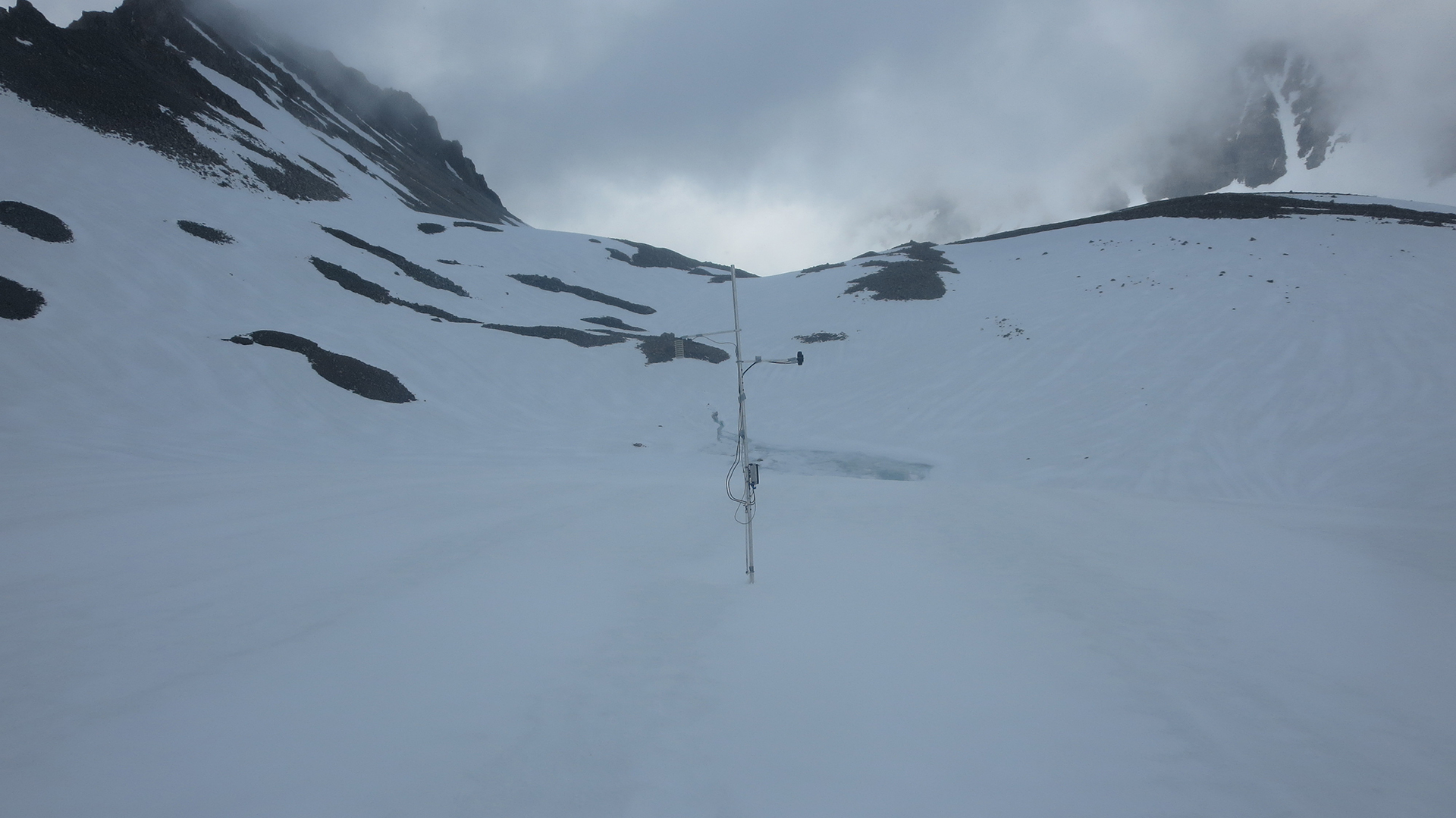
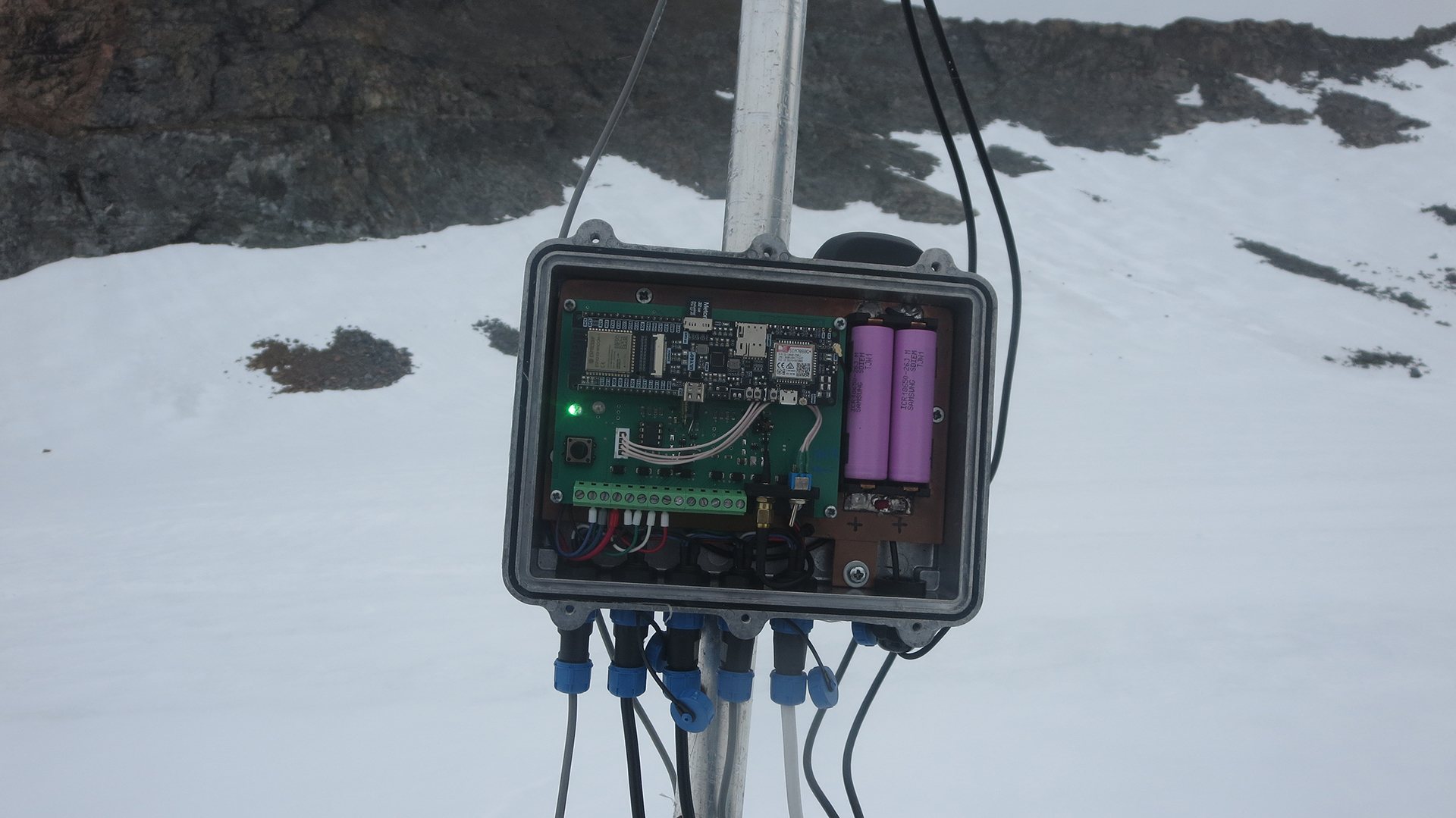
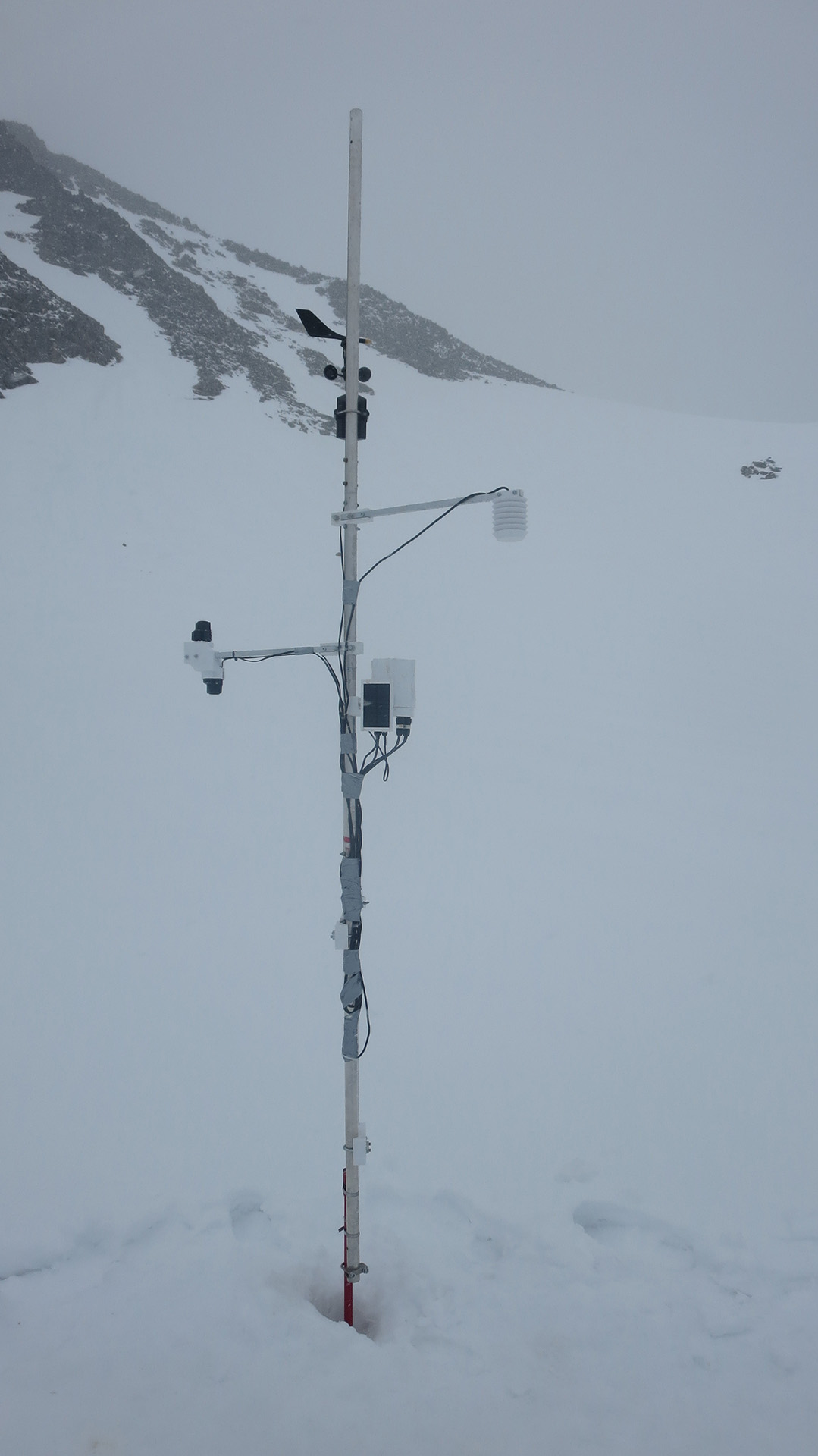
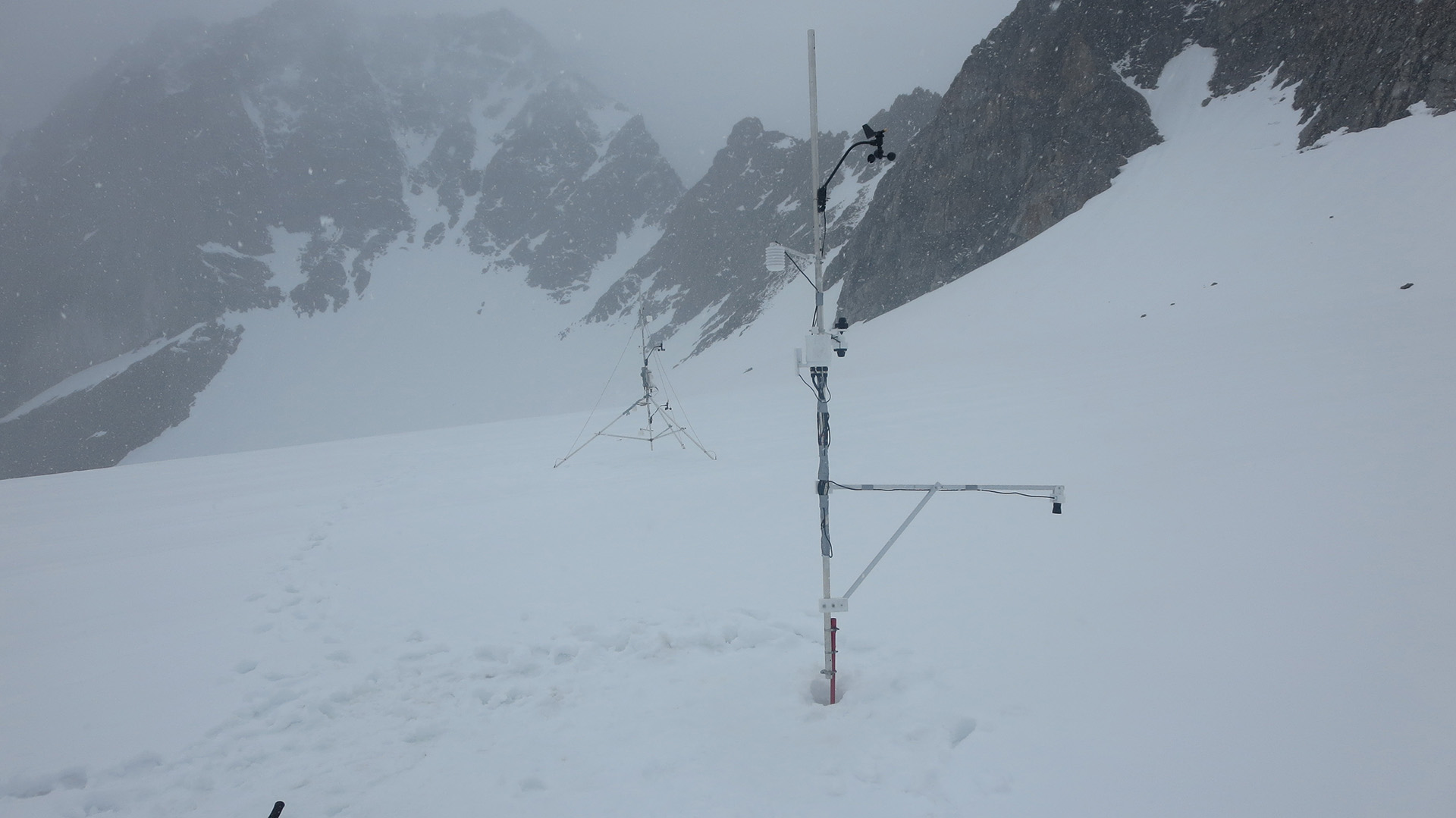
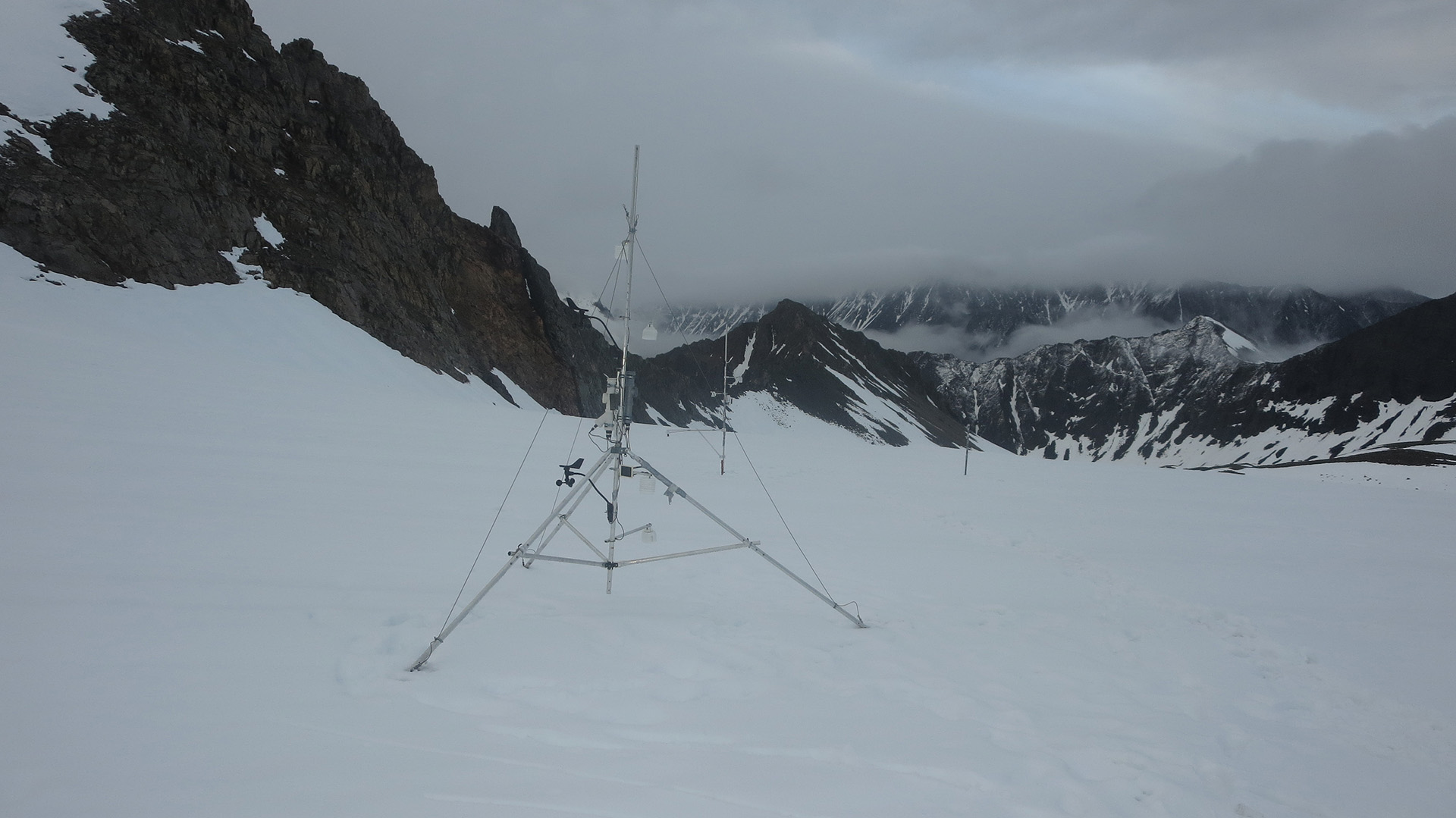
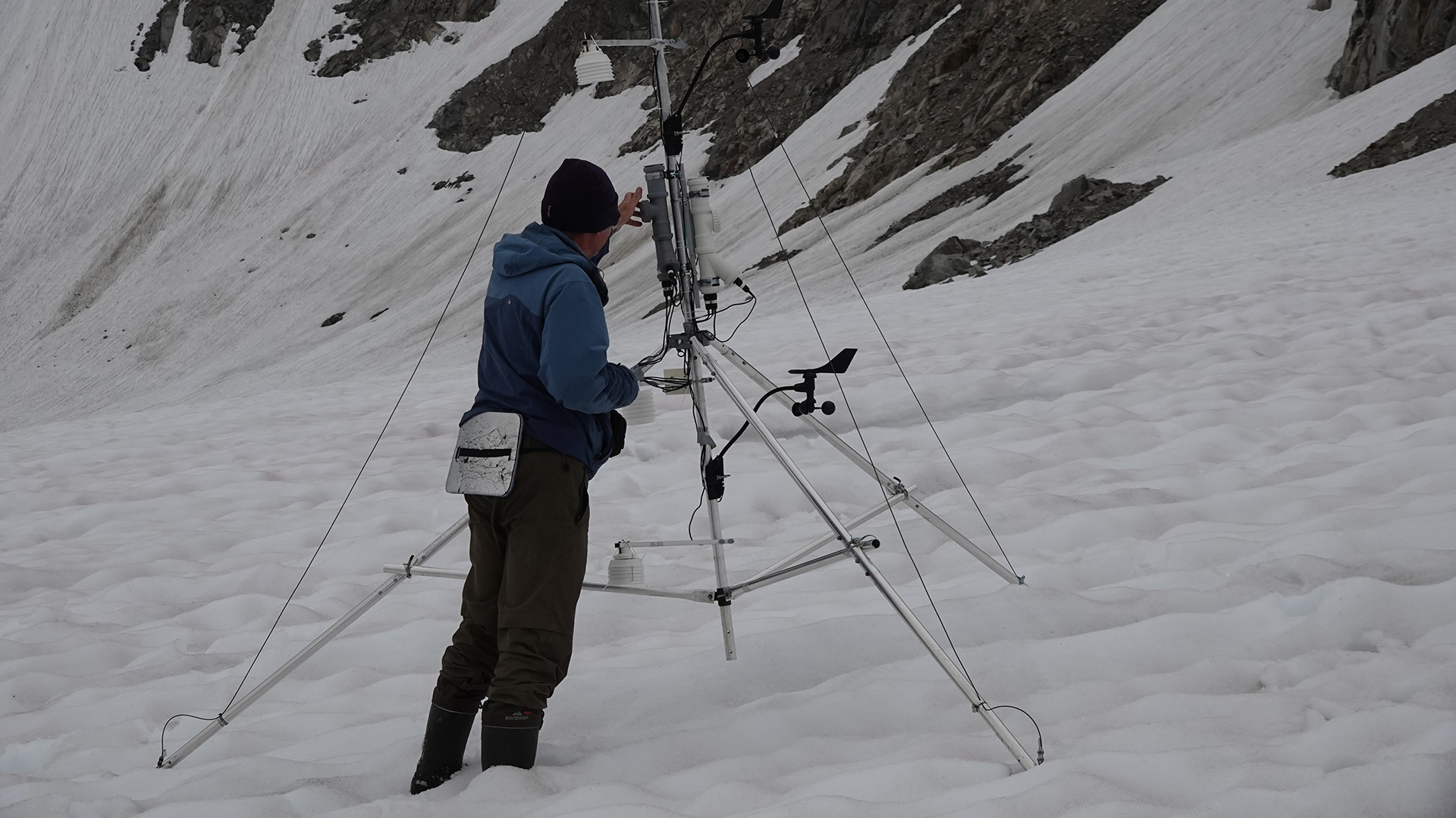
Meteorological observations. In July, maintenance was conducted at automatic weather stations previously installed on the terminal moraine (permanent station No. 1 at an altitude of 2530 m) and in the ablation area of Irkutsk branch of the glacier (temporary station No. 2, installed in July 2024 at an altitude of 2485 m). Data from the weather station recorders were downloaded to electronic storage media (SD memory cards). In early July, two temporary automatic weather stations (No. 3 and No. 4) were installed in the watershed part of the glacier at an altitude of 2561 m. Station No. 3 (on the tripod) measured temperature, humidity, wind speed and direction simultaneously at several constant levels from the glacial surface. Located 20 meters from station No. 3, a new automatic weather station No. 4 was installed on the mast. This station measures various meteorological parameters of the glacial layer, including temperature and humidity, incoming and reflected short-wave radiation, wind speed and direction, in addition to the rate of descent of the glacial surface utilizing an ultrasonic sensor. Stations No. 3 and No. 4 operated on the glacier between July 7 and August 22 and measured meteorological parameters with a high time resolution (30 minutes). At the end of August, data from all 4 weather stations were read, and the weather stations themselves were dismantled and transported to Irkutsk. Thus, during the ablation period of 2025 (July-August), 3 automatic weather stations (No. 2, No. 3 and No. 4) operated on the glacier at 2 altitude levels, and one base station (No. 1) located on the moraine. In general, the time meteorological series obtained on the glacier (time resolution 30 minutes) cover 7 ablation seasons (2019-2025), and on the terminal moraine of the glacier - the last 7 incomplete years (July 2019 - August 2025). This is the longest in Siberia (!) series of continuous (!) high-resolution meteorological measurements carried out directly in the glacial zone.
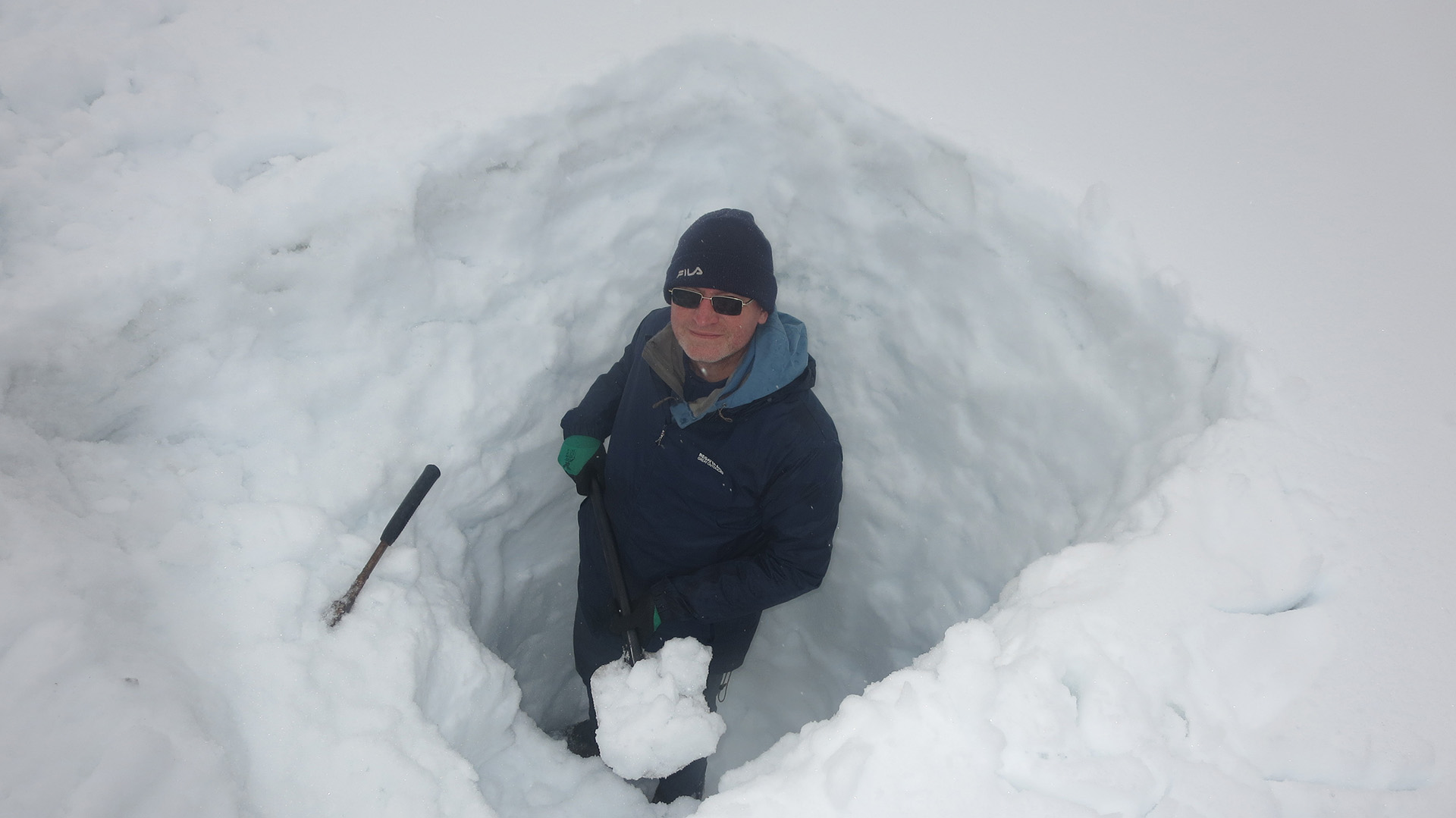
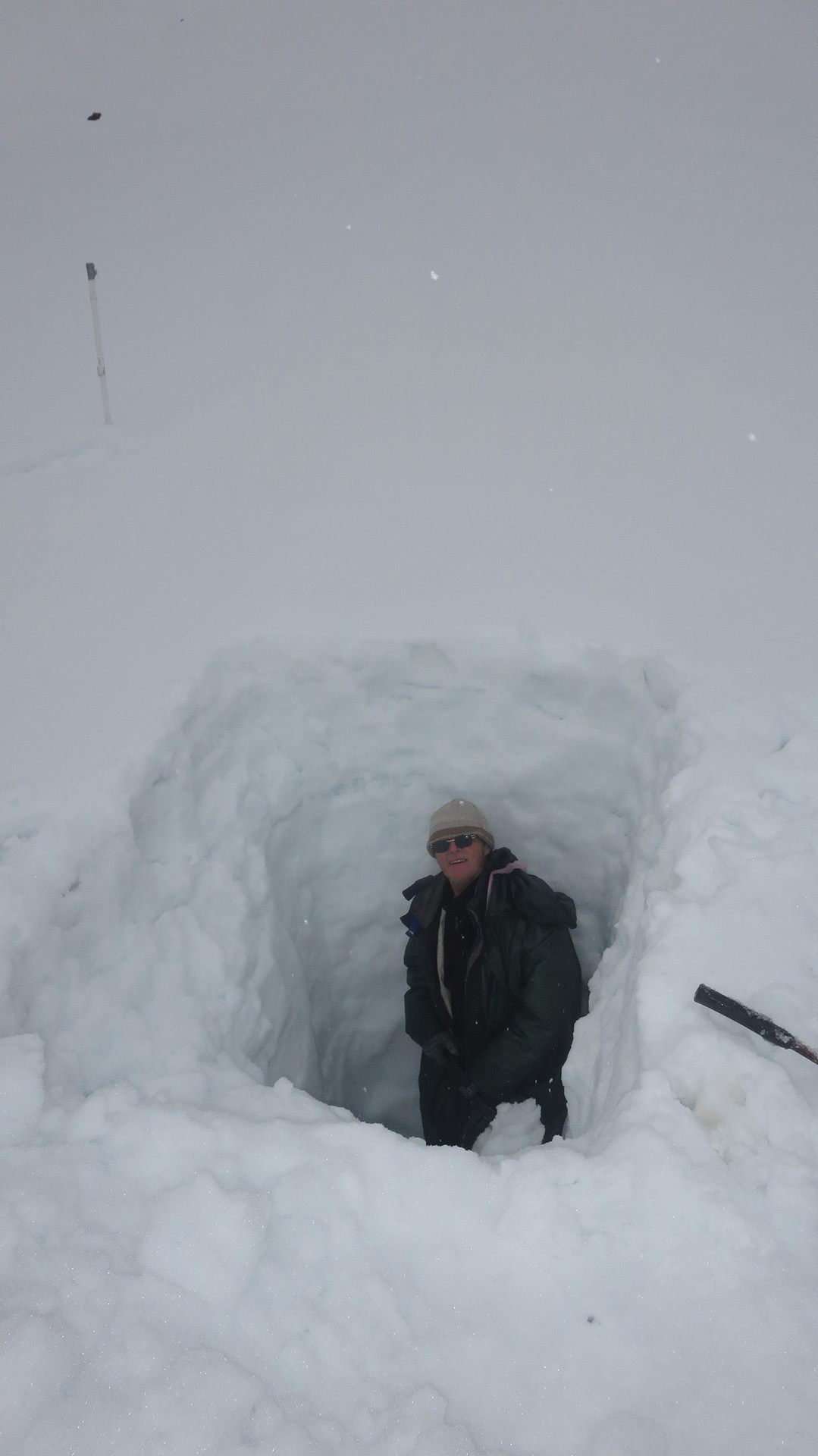
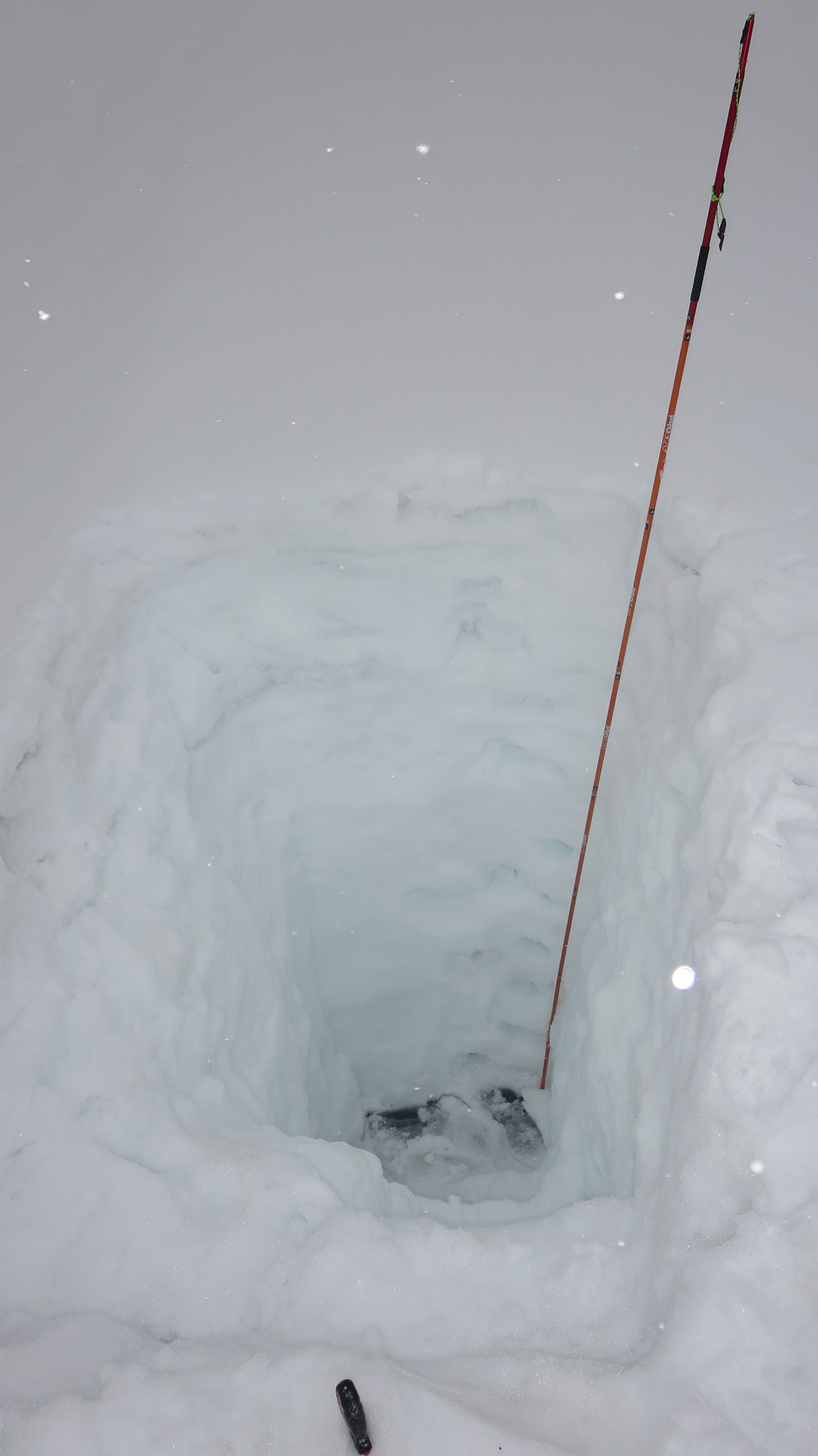
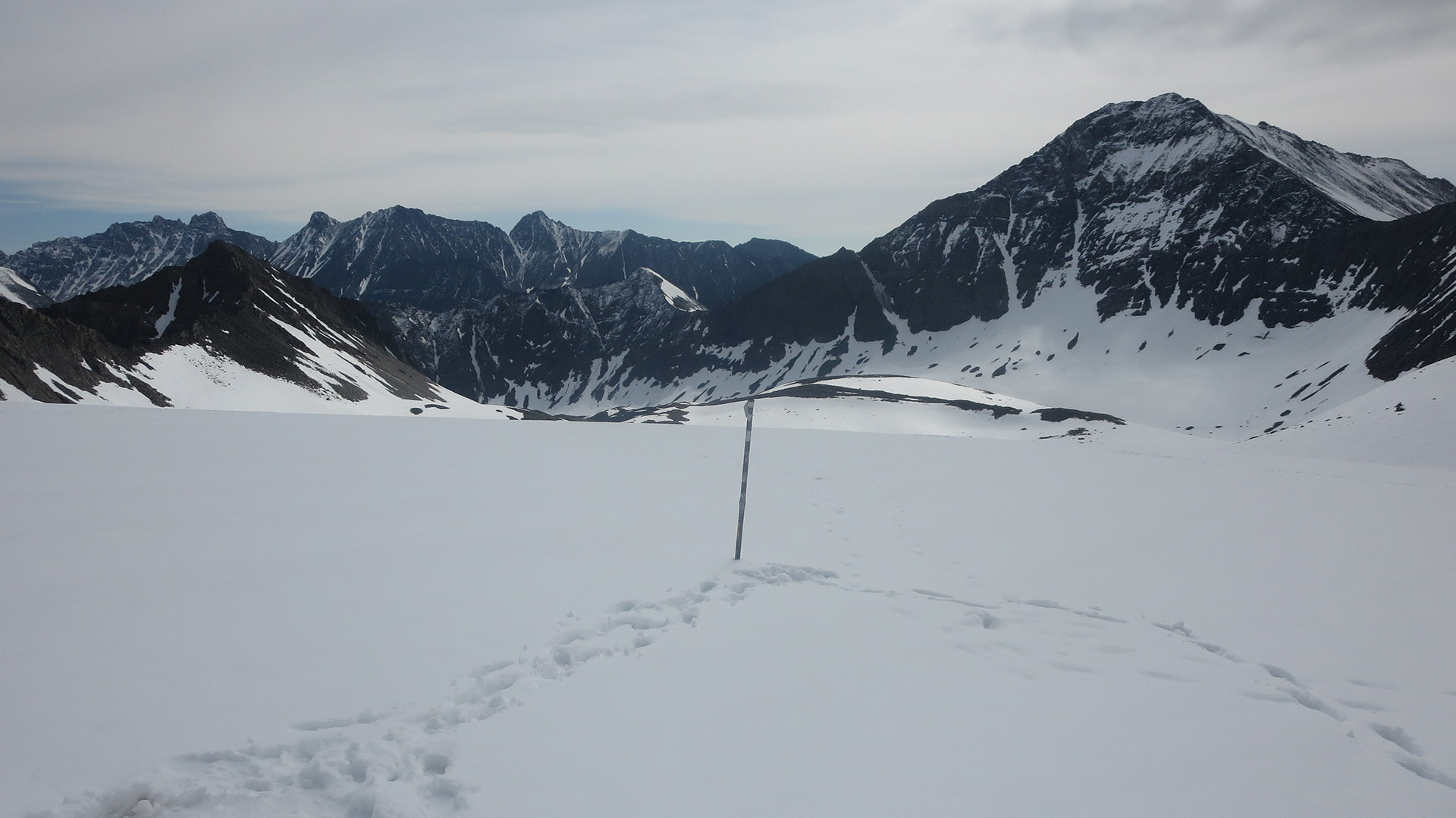
Glaciological observations. In summer, mass-balance measurements were carried out on the glacier. The rate of decline of the glacial surface during melting (ablation) was measured from July 7 to August 22 at glacial station No. 4 using an ultrasonic sensor with a time resolution of 30 minutes. Additionally, 4 plastic slats were installed near the weather station to measure ablation. On July 7, in the area of weather stations No. 3 and No. 4, a snow survey was carried out on a regular grid of points (55 points) every 20 m at a range of 80 x 200 m. The snow depth recorded at the weather stations was 240 cm. Additionally, snow measurements were conducted along the central line of Irkutsk branch of the glacier. In the pit situated close to weather station No. 3, measurements were taken to assess the density of both snow and the underlying ice (7 measurements), along with layer-by-layer sampling of snow and ice for further chemical analysis. Based on the results of snow-measuring observations, a map of the thickness of the snow cover on the glacier was generated and the stagnant unmelted snow residue was estimated. In addition, at the end of August, samples of surface snow and ice, as well as glacial runoff, were taken in the area of weather station No. 2 (the area of the glacier ablation). Within the field observations using a GPS receiver, the height of the snow line on the glacier was measured.
New high-resolution data obtained at the Sygyktinsky glacier over a long period (2019-2025) will be used for detailed characteristics of the meteorological regime of the Kodar highlands, calculation of thermal balance of the glacier, assessment of statistical correlation between melting and meteorological parameters, development and verification of models of the mass balance of the Kodar glaciers, reconstruction them and prediction of dynamics, as well as identification of the main factors affecting the rate of deglaciation of the Kodar glaciers in conditions of ongoing global warming (topography, multi-scale atmospheric circulation, etc).