
Limnological Institute
Siberian Branch of the Russian Academy of Sciences
+7 (3952) 42-65-04
info@lin.irk.ru

Limnological Institute is a research institution for complex interdisciplinary studies of Lake Baikal and other water bodies of Siberia.

The main activities of the Institute are to obtain and apply new knowledge in the fields of biology, chemistry, physics, geology and geography by conducting fundamental research aimed at understanding processes of formation and functioning of aquatic ecosystems, diversity and evolution of aquatic organisms, and mechanisms of biological speciation, as well as to carry out search and applied studies in these fields.  Main research areas of the Institute:

  • Limnology: mechanisms of speciation, biodiversity and evolution of lacustrine systems;
  • Current state and forecast of development of inland water bodies and streams;
  • Live systems: comprehensive studies of aquatic organisms by methods of classical and molecular biology, and related sciences.

The Institute is a successor of the Baikal Limnological Station, the first institution of the Academy of Sciences in Siberia founded in 1928.

In 1961, according to the Resolution of the Presidium of the USSR Academy of Sciences No. 49 of January 20, 1961, the Station was reorganized into Limnological Institute of the Siberian Branch of the USSR Academy of Sciences.

Personalities created the history of Lake Baikal studies.

Gleb Vereshchagin, a world-famous limnologist, was the first Director of the Baikal Limnological Station. He initiated comprehensive biological, hydrological and geochemical studies at Lake Baikal. History of first expeditions.

Grigory Galazy Academician, was the first Director of Limnological Institute. He formed the staff at the Institute, succeed in setting up a modern research fleet at Lake Baikal, and invited scientists from different regions of Russia and foreign countries to investigate Lake Baikal.

Michael Grachev Academician, headed the Institute from 1987 to 2015.

To-date, Andrey Fedotov, Dr. Sc. (Geology and Mineralogy), is Director of the Institute.

Structure and staff of the Institute:

LIN SB RAS includes 1 department and 14 laboratories.
The Institute employs 337 people, including:

  • 132 researchers, of them 28% are under the age of 39;
  • 15 doctors of sciences;
  • 104 candidates of sciences;
  • 6 professors;
  • 13 associate professors.

The most important results of the Institute in basic research:

  • Ascertainment of the causes of mass mortality of Baikal seals (6,000 seals died between 1987 and 1988): virus epizootic caused by morbillivirus (canine distemper virus); the first evidence of this virus in seals.
  • Reconstruction of Baikal sedimentary paleoclimate records for the past 8 million years and sub-recent climate records; continuous paleoclimate records of the continent could be obtained only at Lake Baikal; all the results were pioneering. The work was carried out in a broad international and Russian cooperation. 
  • A system of search and mapping of near-surface occurrence of methane hydrates and gas production developed and tested at Lake Baikal . The work was carried out in collaboration with scientific and educational institutions of Russia and European and Asian countries.

Baikal-Evolution-2026, 22 August

Saturday, 22 August 2026. MRS (Sakhyurta settlement)–Ust-Anga Bay

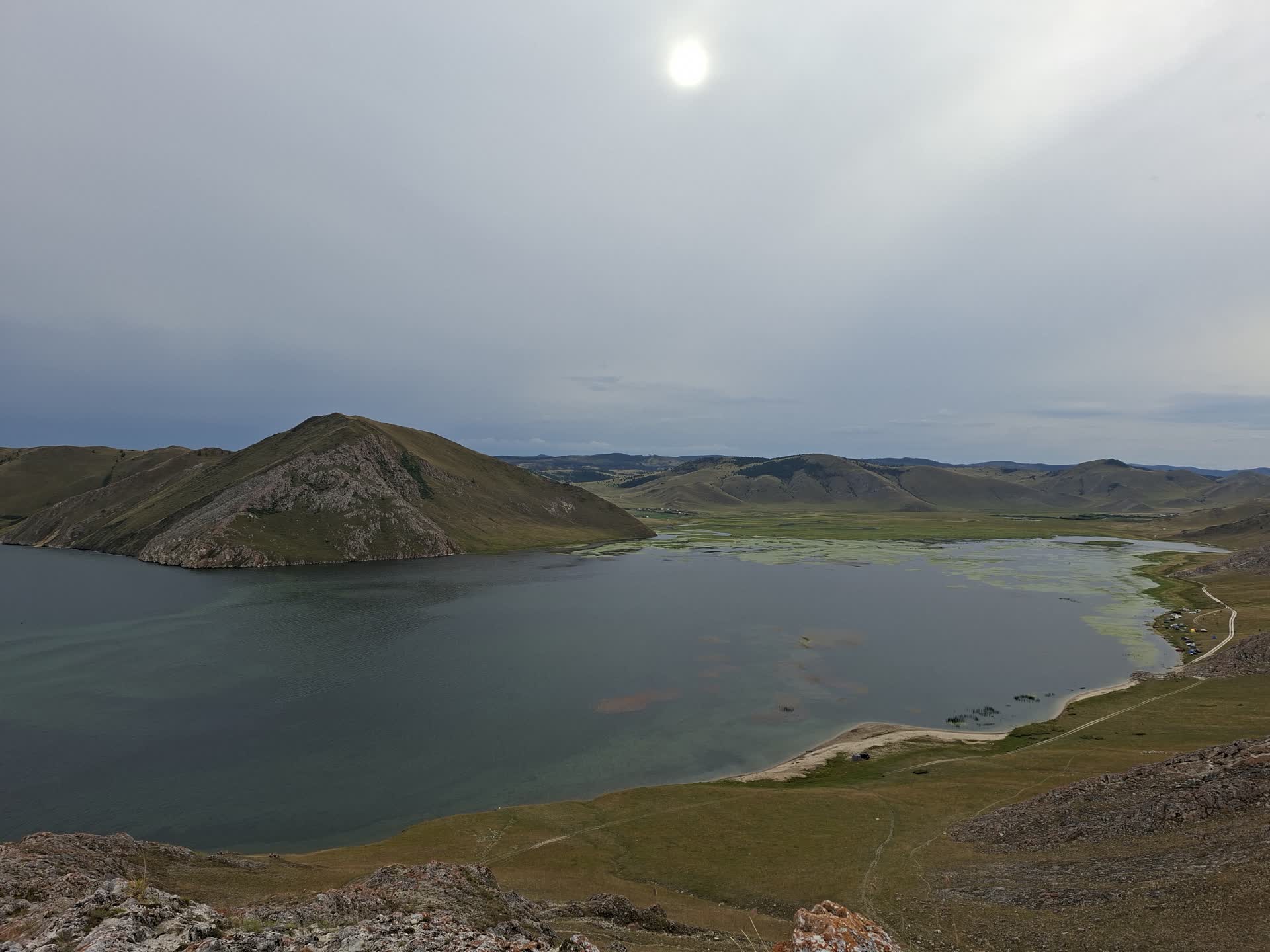
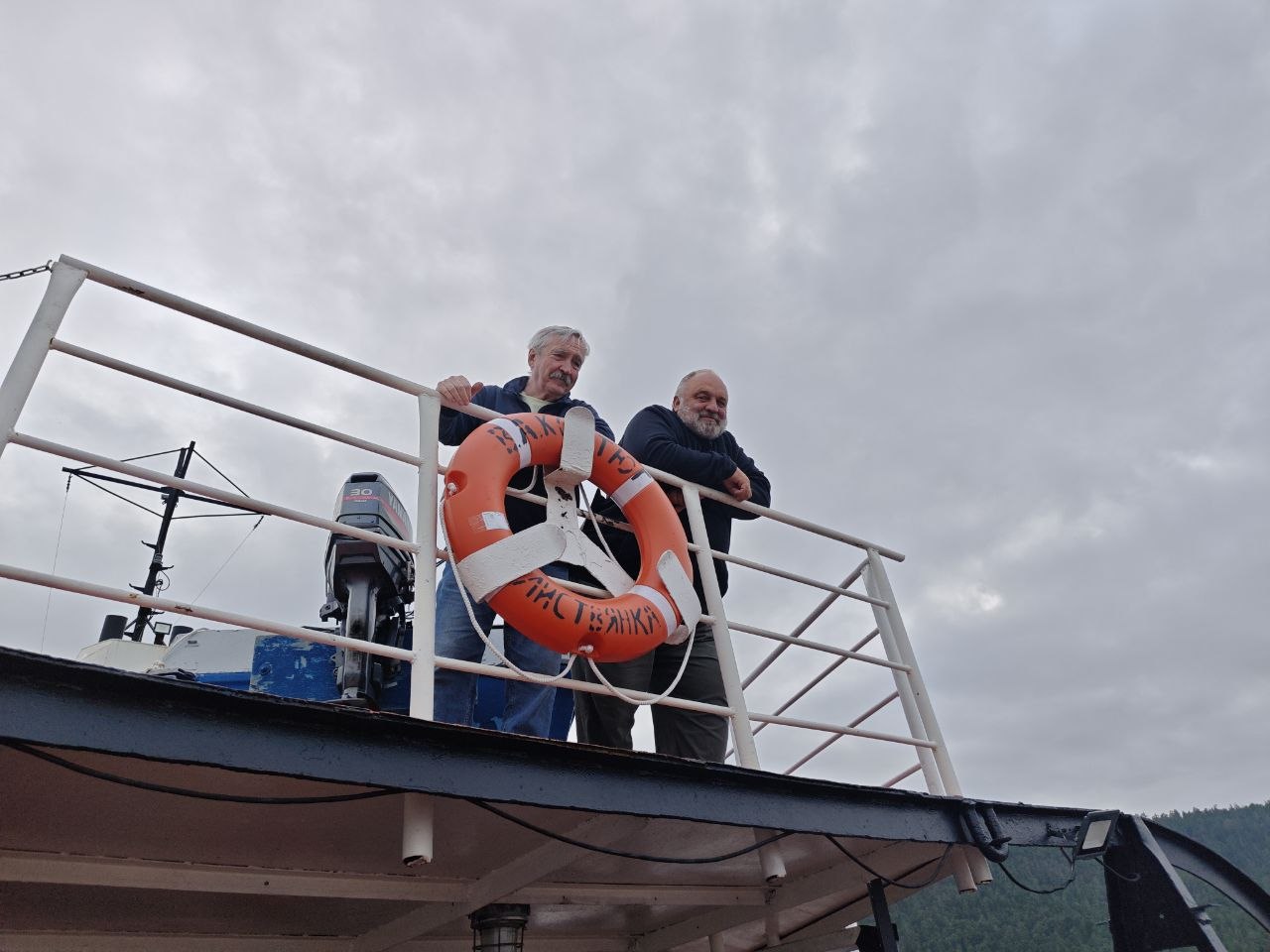
Because of persistent adverse weather, the team was forced to leave the east coast and could not carry out the planned work at the designated site in Posolsky Sor. The vessel moved to the vicinity of MRS (Sakhyurta settlement), after which it was decided to continue works in Ust-Anga Bay.

In the morning, Aleksandr Yu. Gornov, Dr Sc in Technology (a chief research fellow at the Laboratory of Optimal Control of ISDCT SB RAS) delivered a lecture on the axiomatic method and the general principles of mathematical modeling. The speaker emphasized that constructing a functional model requires the collaborative effort of three types of specialists: a subject-matter expert, a modeler, and an algorithm engineer. The core concept of modeling–replacing a complex object with a simpler one that retains the properties essential to the problem at hand–was examined, and verbal (conceptual) models were discussed as the initial stage of formalization. The lecture also covered the application of mathematics and modeling to various types of problems, as well as fundamental concepts in data handling, including interpolation and extrapolation, training samples, and datasets.

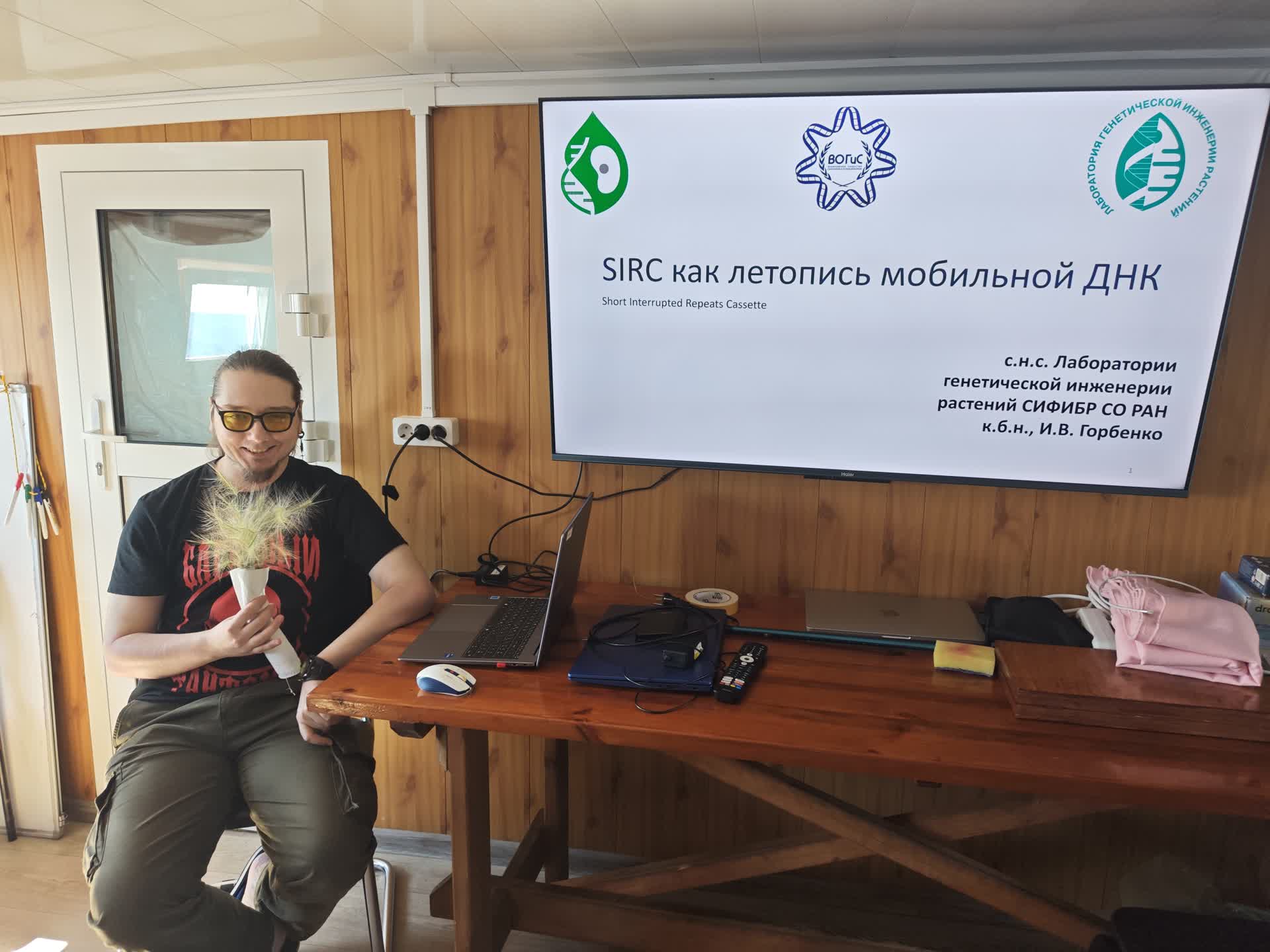
In the afternoon, Igor V. Gorbenko, Cand Sc in Biology (a junior research fellow at the Laboratory of Plant Genetic Engineering of SIPPB SB RAS) delivered a lecture on SIRC– short interrupted repeat cassette. The speaker discussed methods for identifying such repeats within genomes, the history of their discovery, structural characteristics, and the insights they provide for genomic and phylogenetic analysis.

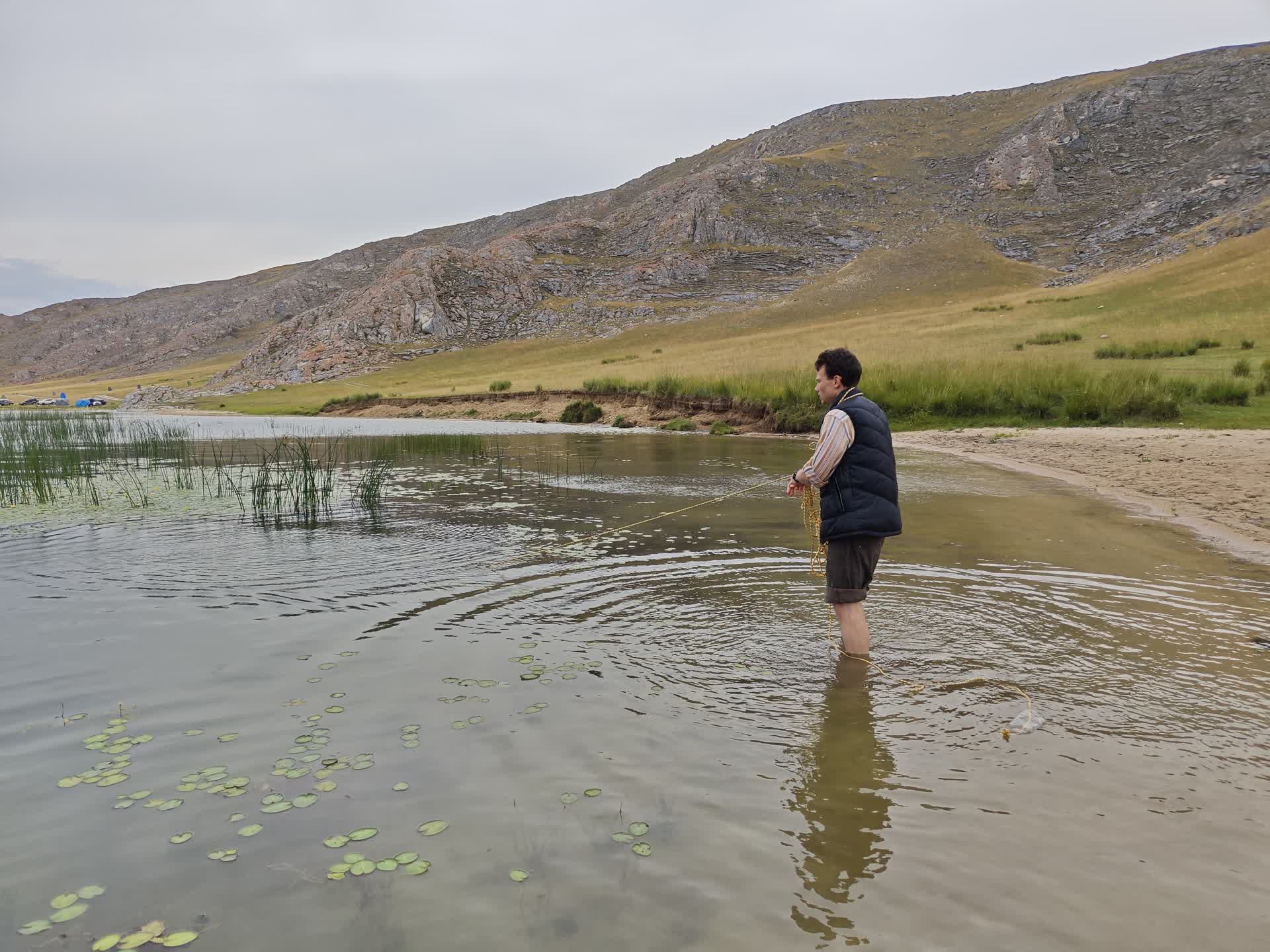
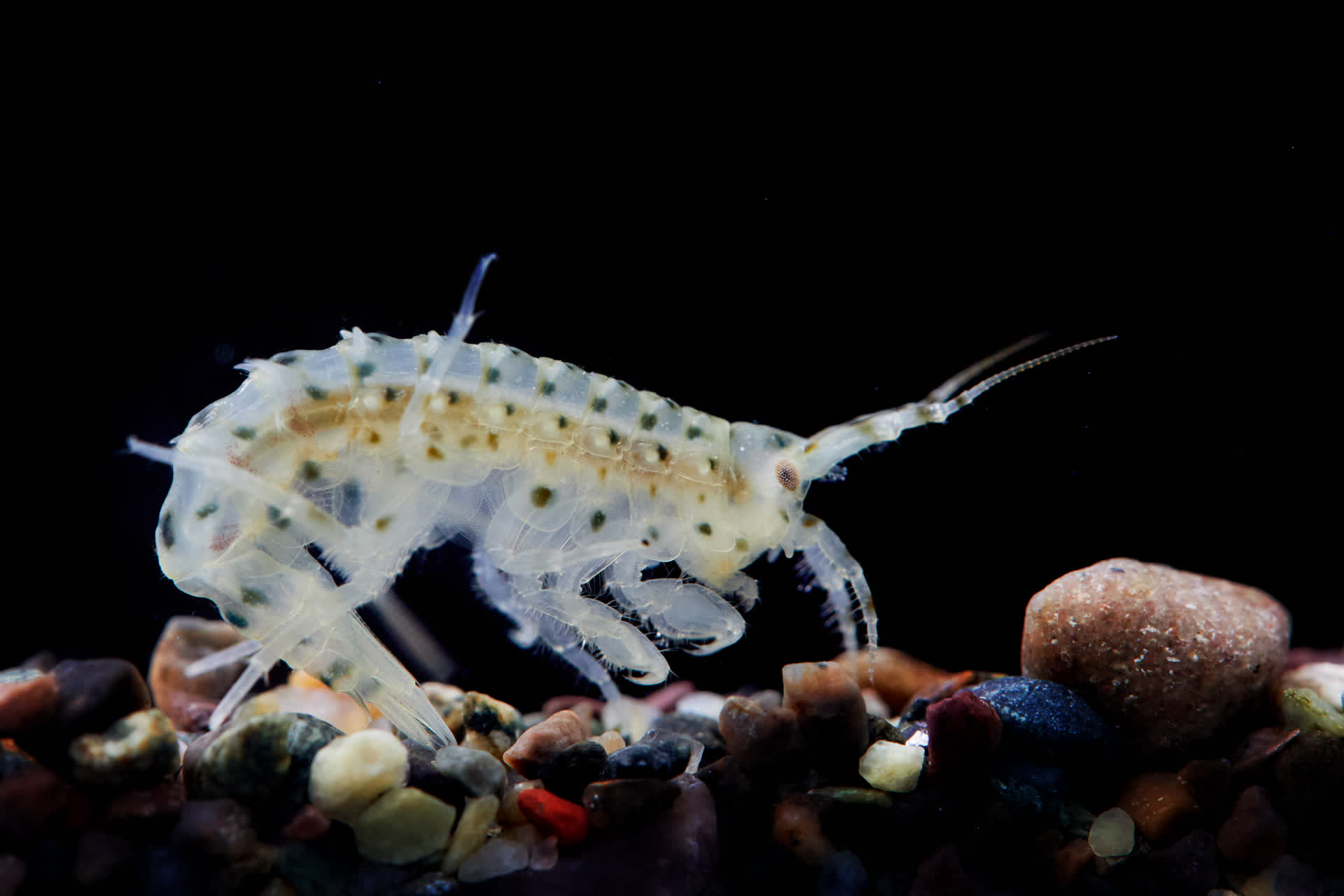
In the evening, samples were collected in Ust-Anga Bay. At the first site (coordinates 52.779016 and 106.585175), sampling was carried out using an amphipod scraper at a depth of 50–70 cm; Eulimnogammarus verrucosus were collected from beneath large stones.

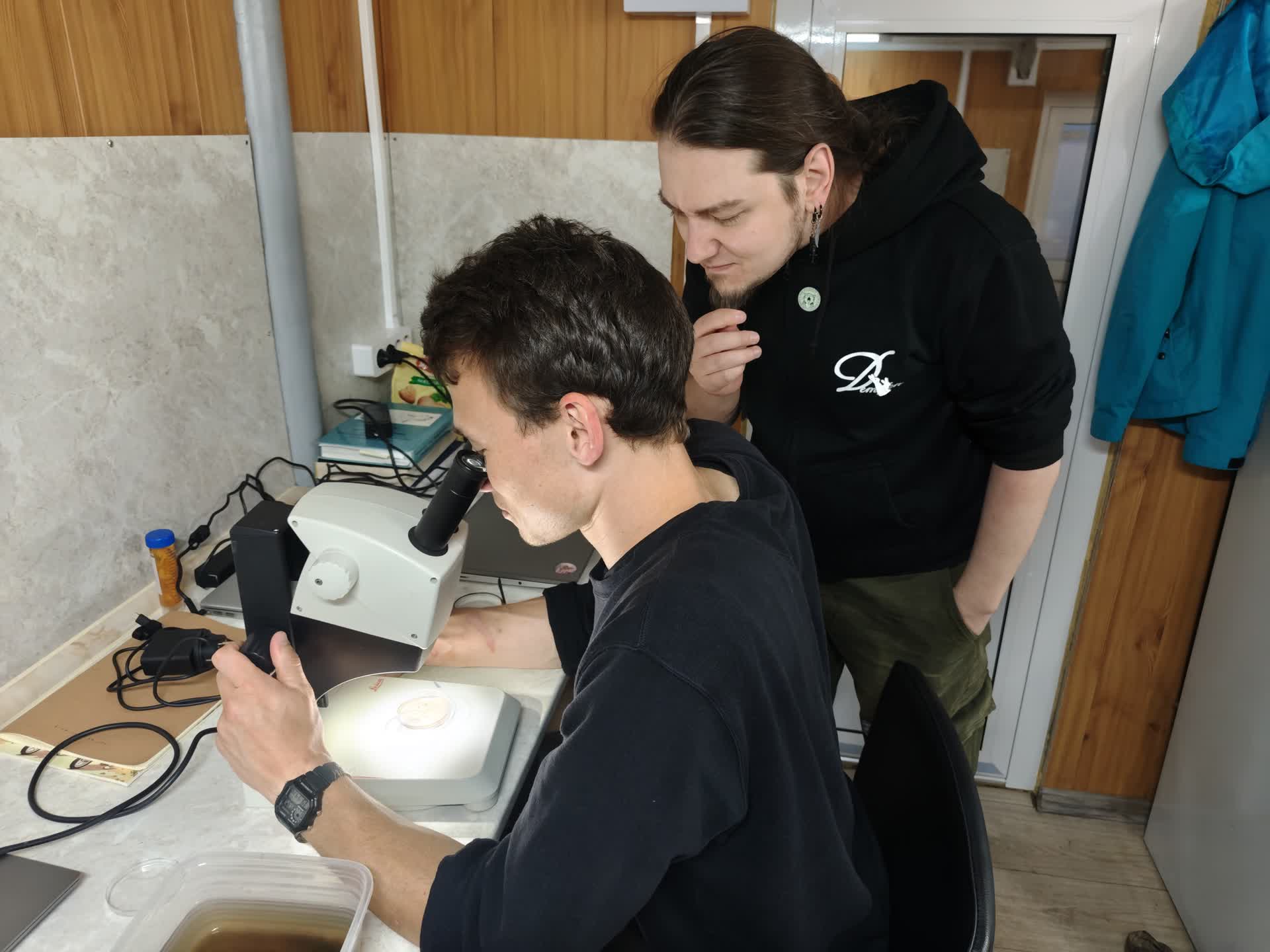
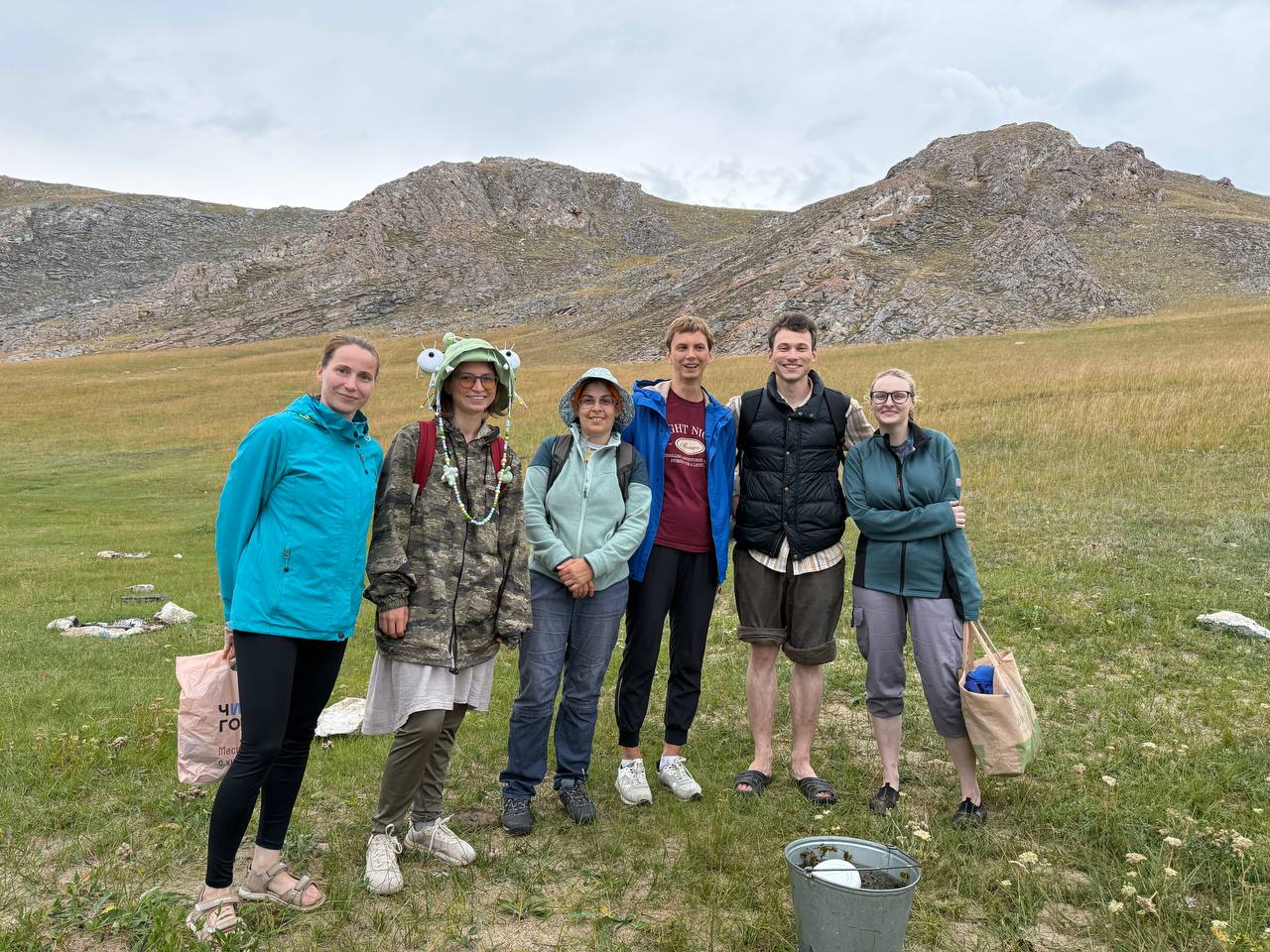
The second sampling site (coordinates 52.7819034 and 106.585175) was located in an area with abundant higher aquatic vegetation, including pondweed (Potamogeton), Elodea, and yellow water-lily (Nuphar lutea). Cladocerans were collected using a Juday net, while pondweed specimens were gathered and washed to search for hydras. The samples contained Rotifera, Cyclopoida, Chydoridae, Polychaeta, Oligochaeta, Nematoda, Chironomidae, and Ostracoda. Among the cladocerans, Graptoleberis sp., Bosmina sp., Chydorus sp., Moina sp., and Sida sp. were identified.