


Baikal-Evolution-2026, 19 August
Wednesday, 19 August 2026. Ushkany Islands, area of Bolshoy Ushkany Island
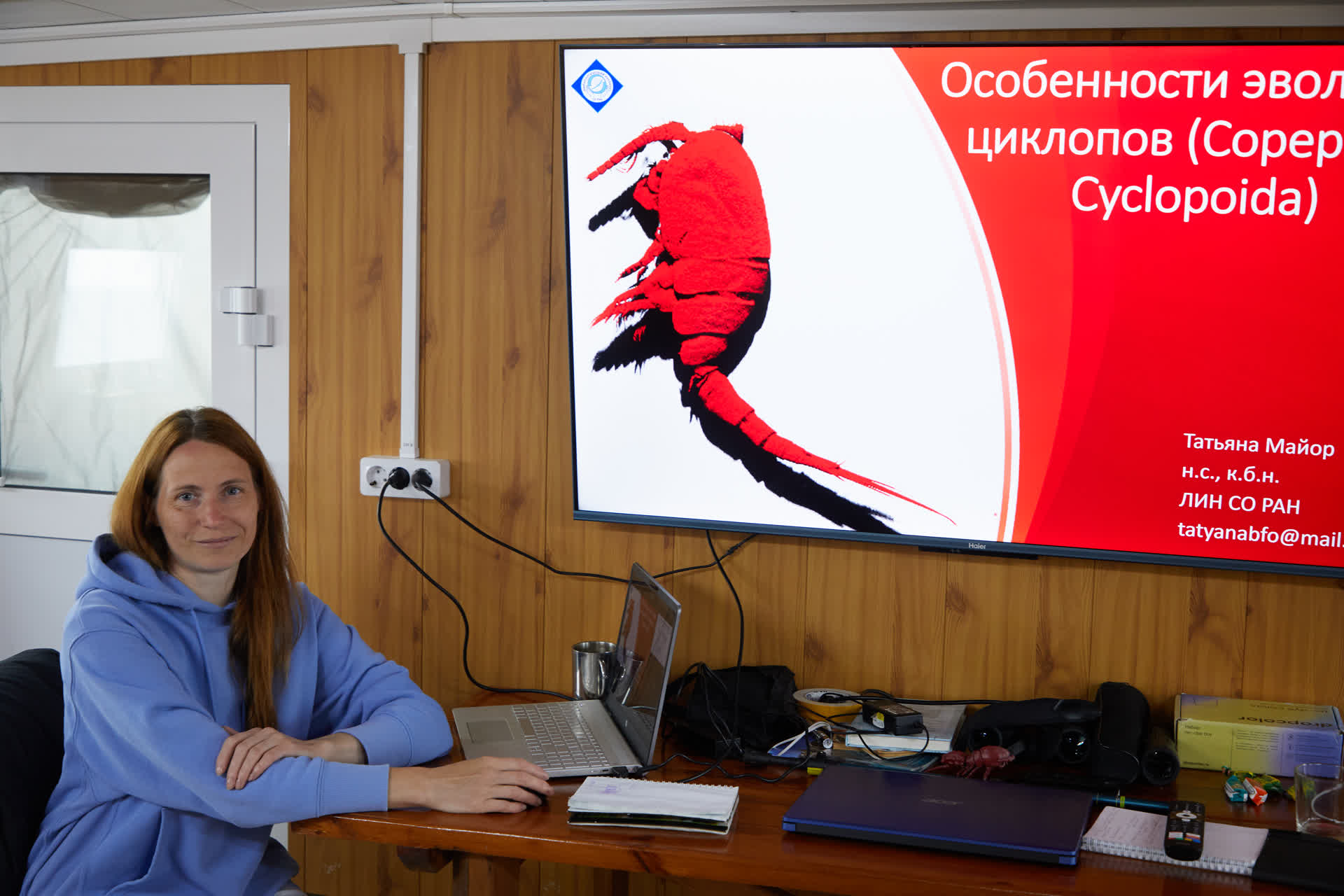
At 10:00, T.Yu. Mayor, Cand Sc in Biology (research fellow at the Laboratory of Ichthyology, LIN SB RAS), delivered a lecture titled “Evolutionary Features of Cyclopes”, focusing on systematics, phylogeny, and adaptation of Baikal Cyclopoida.
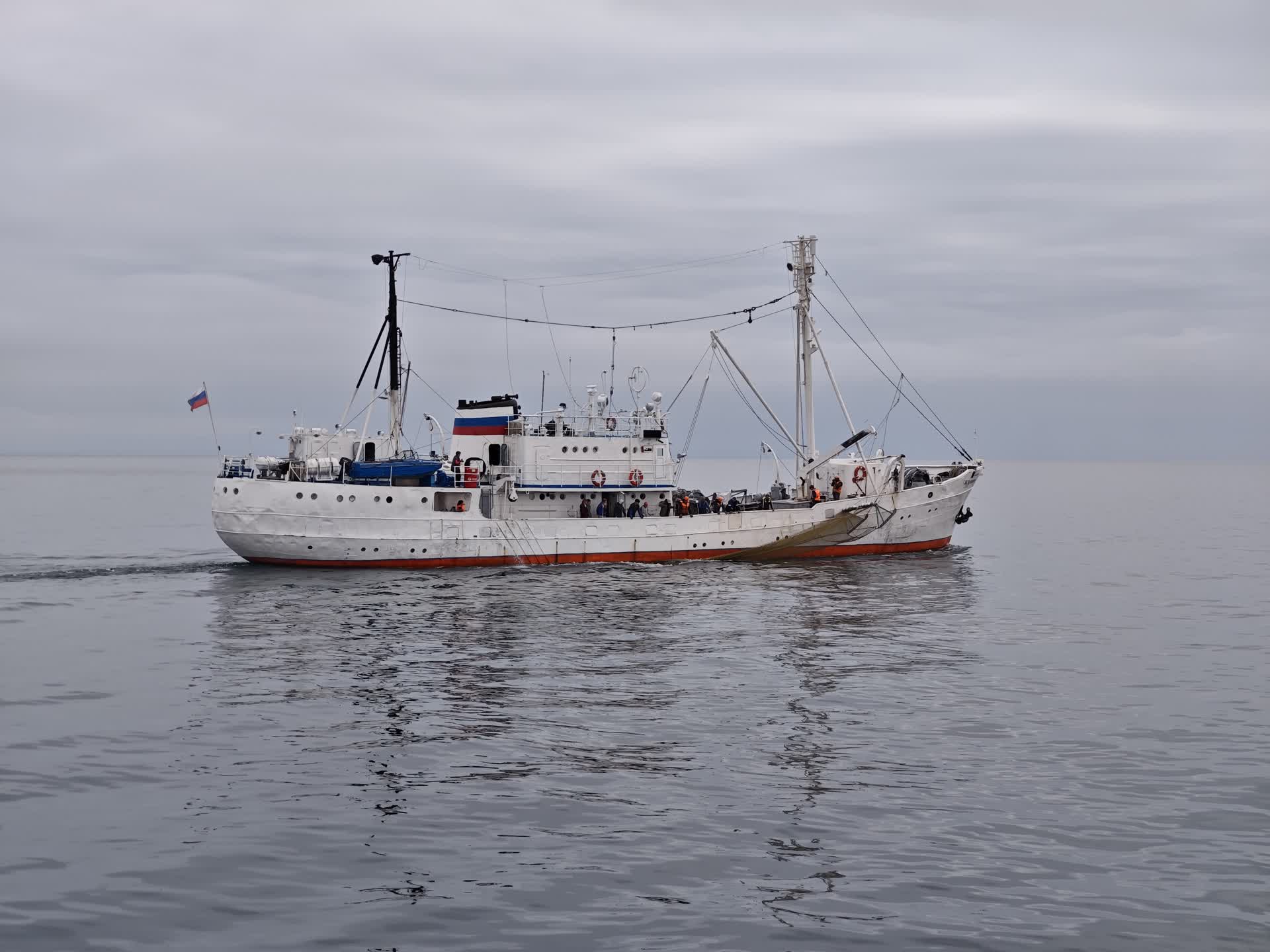
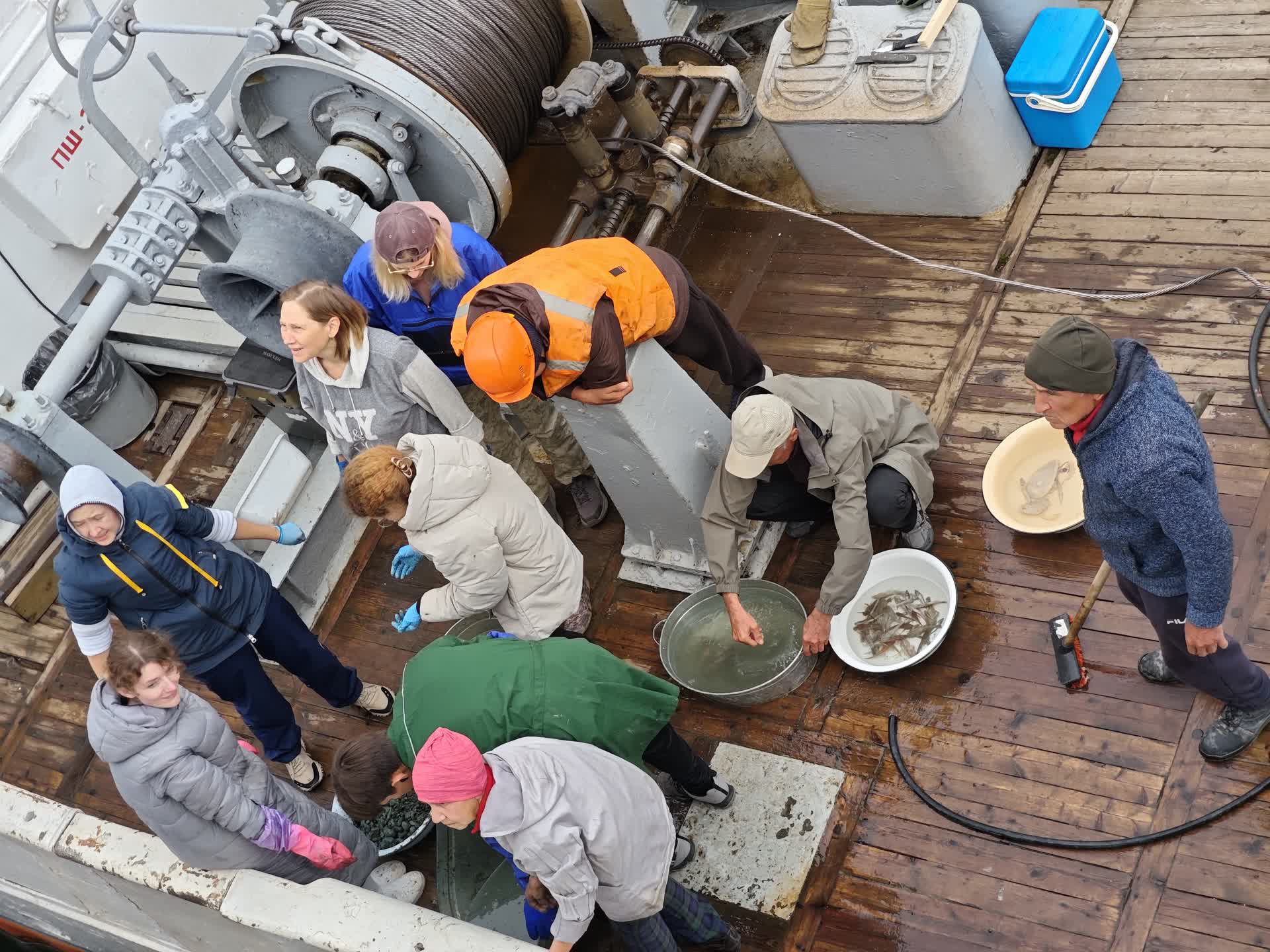
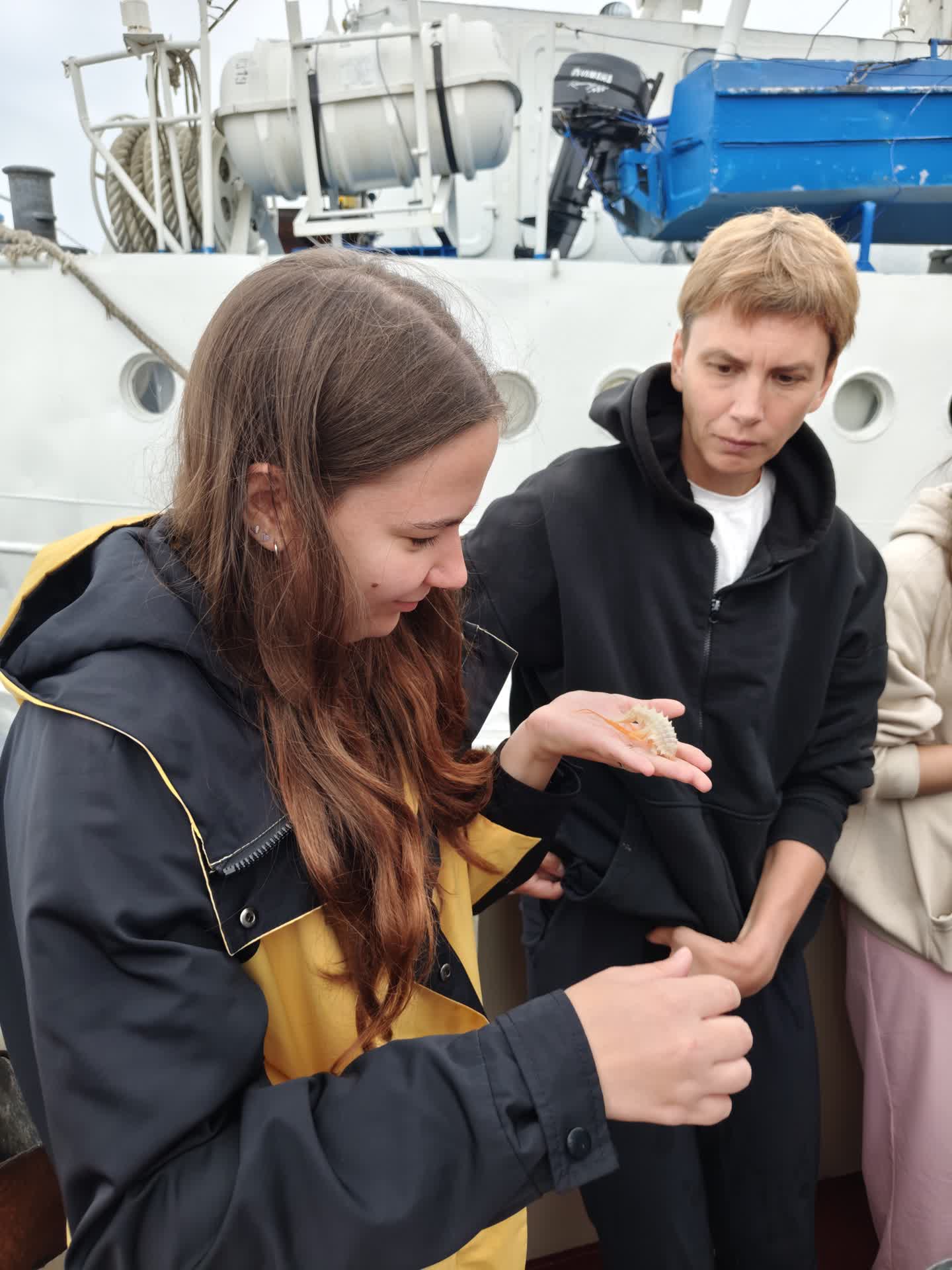
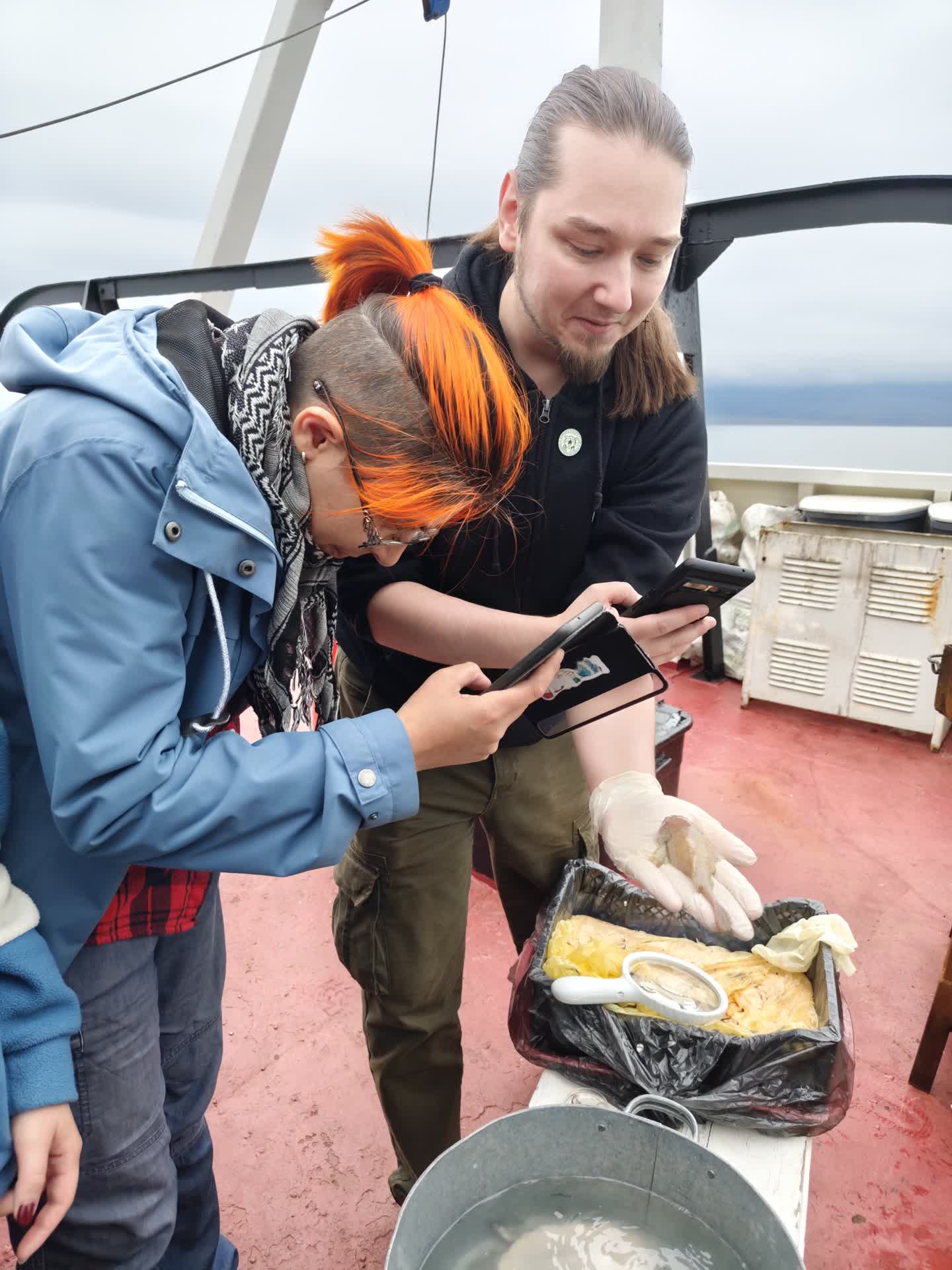
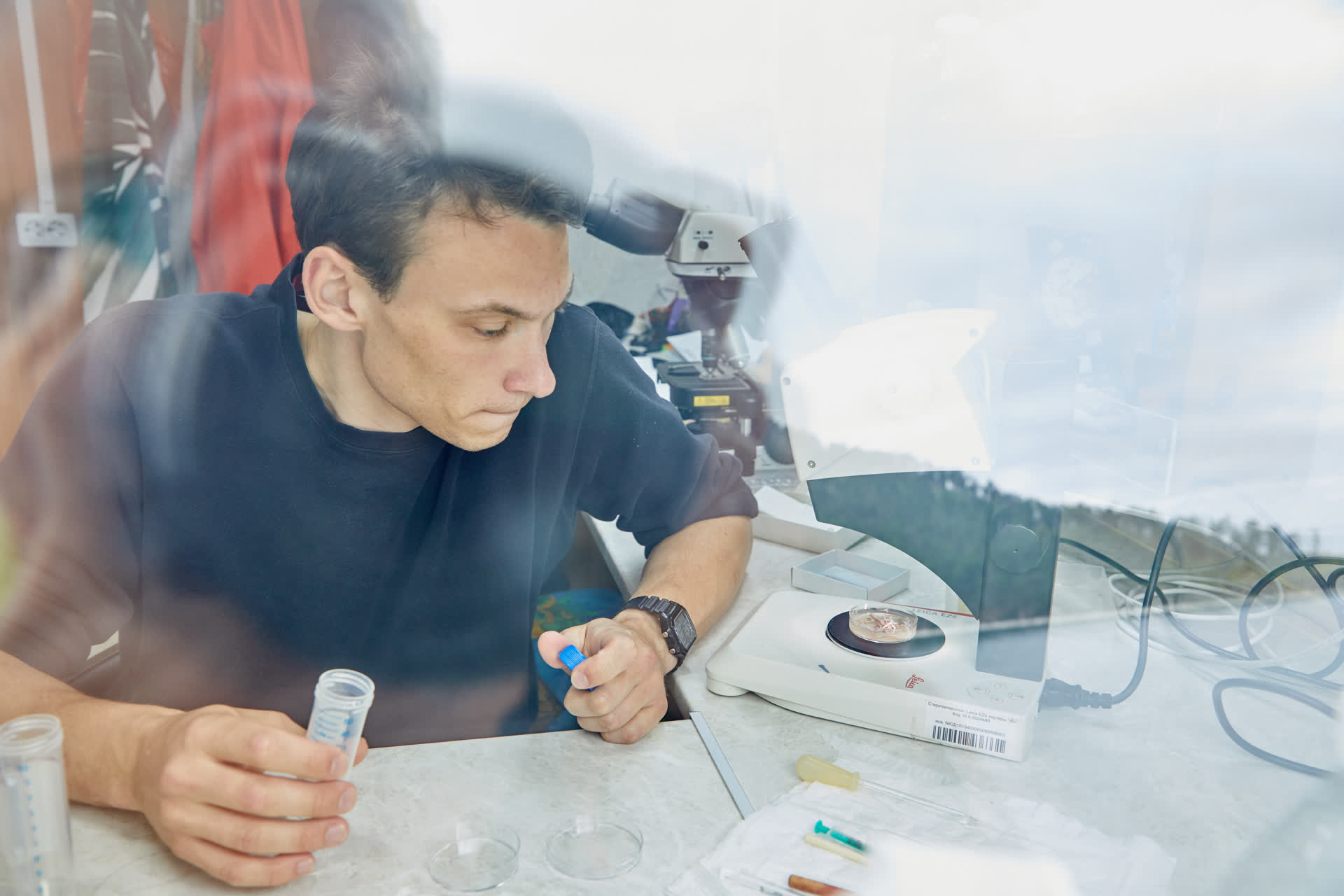
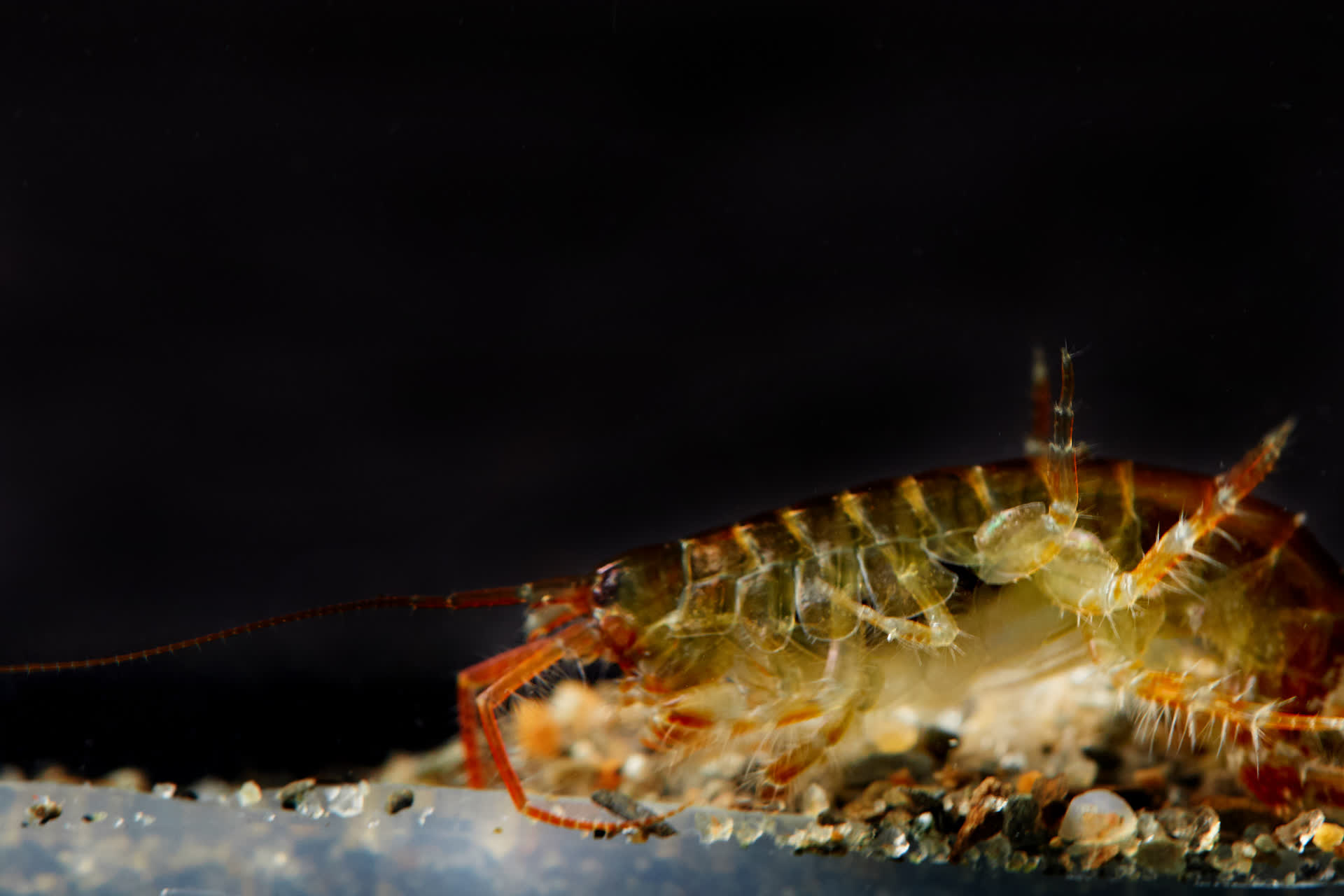
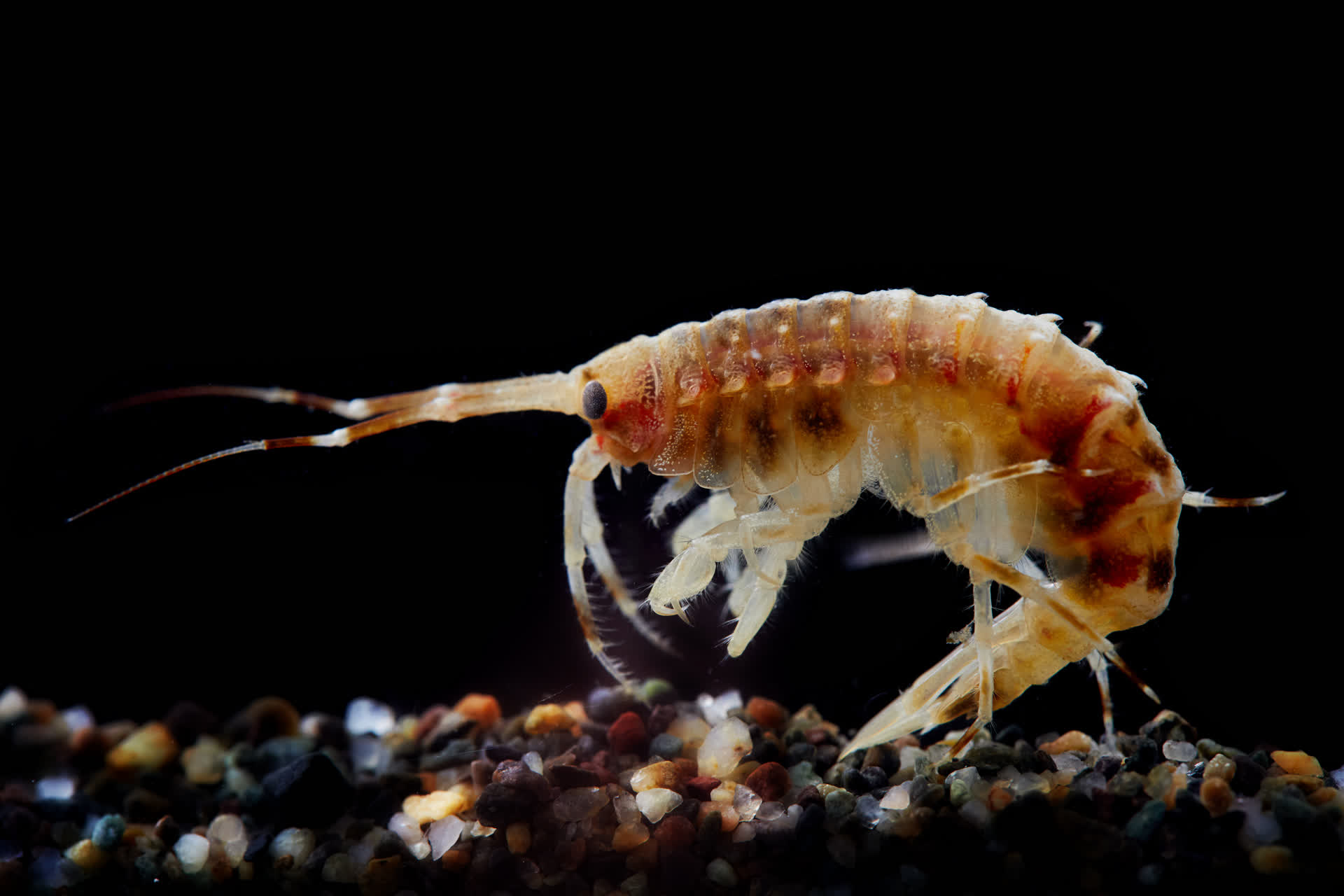
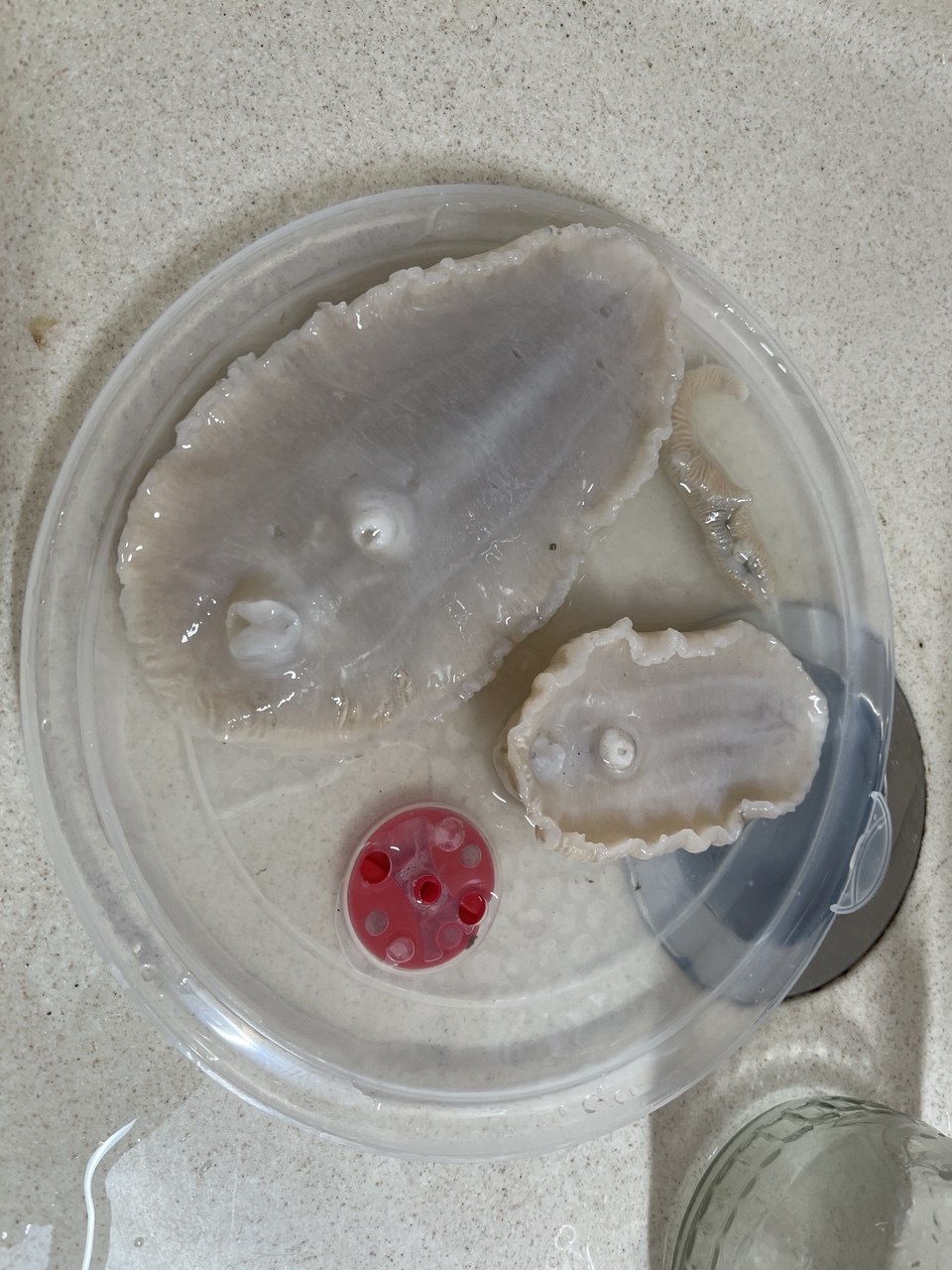
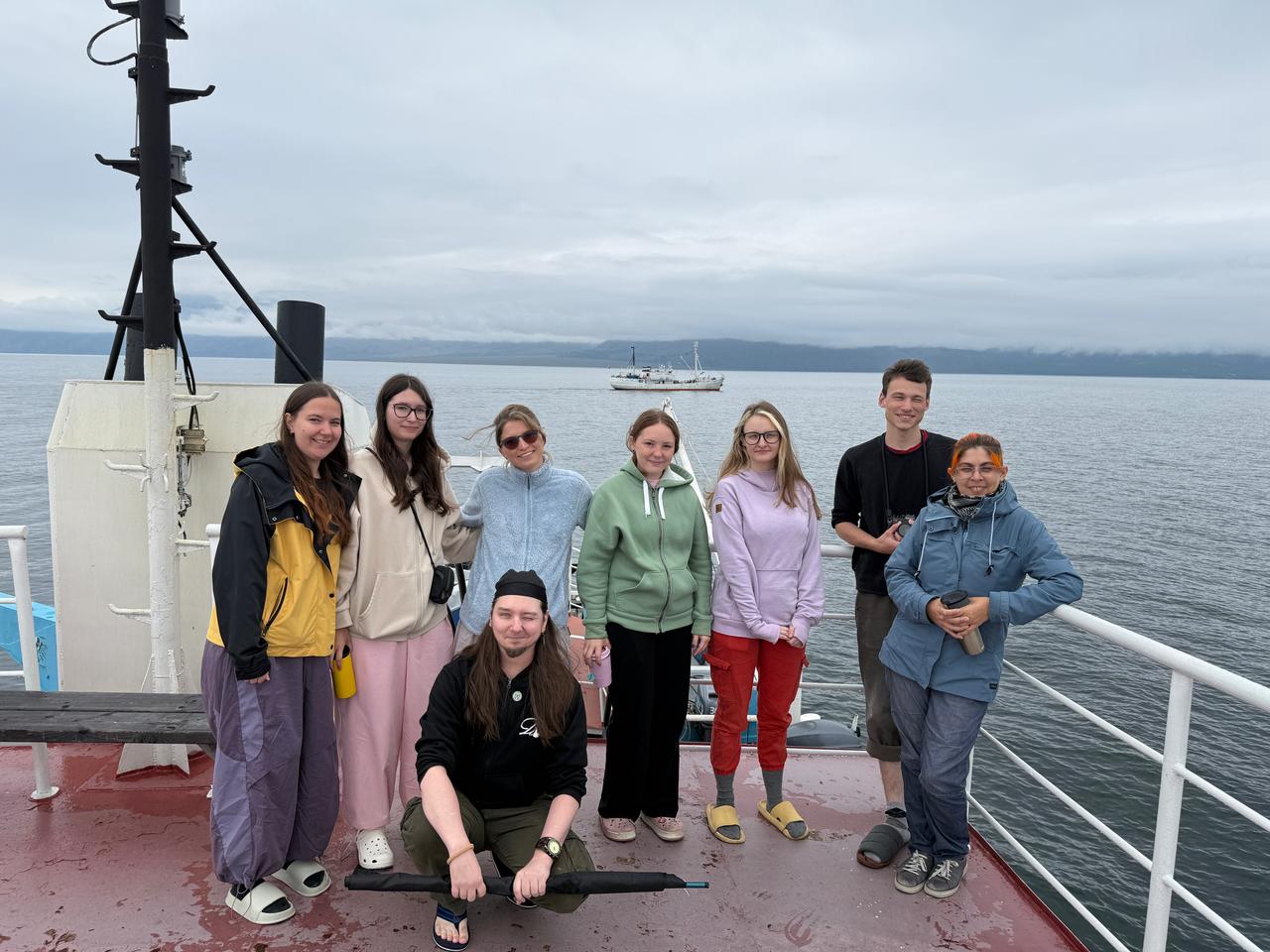
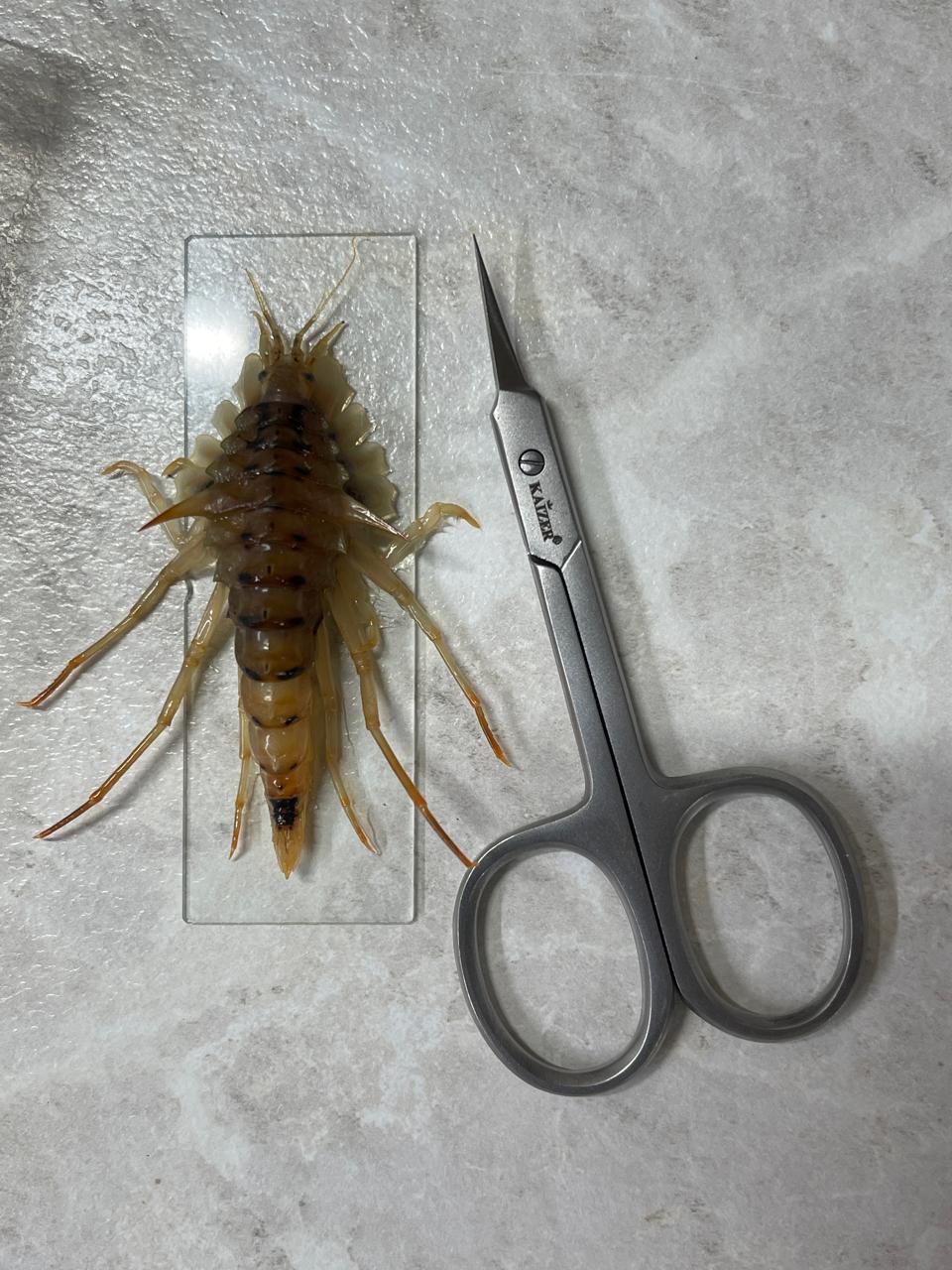
At 12:00, the RV “G.Yu. Vereshchaginh” (LIN SB RAS), equipped with deep-water trawls, joined the expedition. A deep-water trawling was conducted from the RV “G.Yu. Vereshchaginh” at depths of 700-800 m. The catch included various deep-water species of gammarids, golomyanka (Comephorus), and deep-water sculpins. D.Yu. Shcherbakov and A.A. Poroshina from the Laboratory of Genosystematics provided the school’s participants with a detailed overview of the deep-water species, their morphological, and physiological adaptations to great depths. Researchers from the Institute of Cytology of the Russian Academy of Sciences performed dissections of the gammarids to search for microsporidia and searched for ciliates in samples. A significant portion of the collected material was dissected and demonstrated under binocular microscopes.
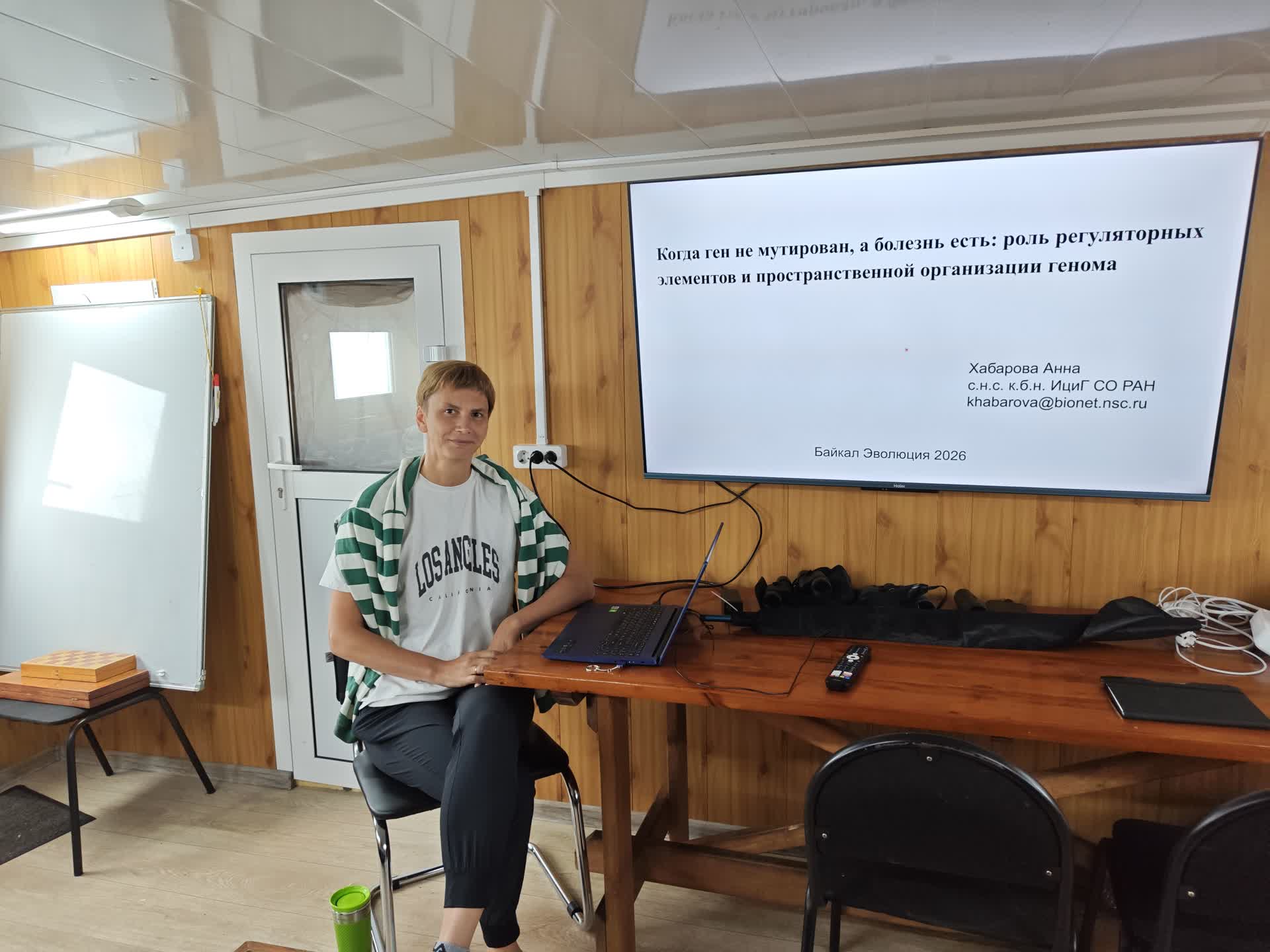
At 15:00, A.A. Khabarova, Cand Sc in Biology (a senior research fellow at ICG SB RAS) delivered a lecture titled “The role of regulatory elements and the spatial organization of the genome”. The lecture focused on fixation methods of spatial chromatin contacts (Hi-C), architectural proteins CTCF and the cohesion complex, Formation mechanism and functions of chromatin loops and topologically associated domains (TADs), as well as the role of enhancers and TADs in the transcription regulation.
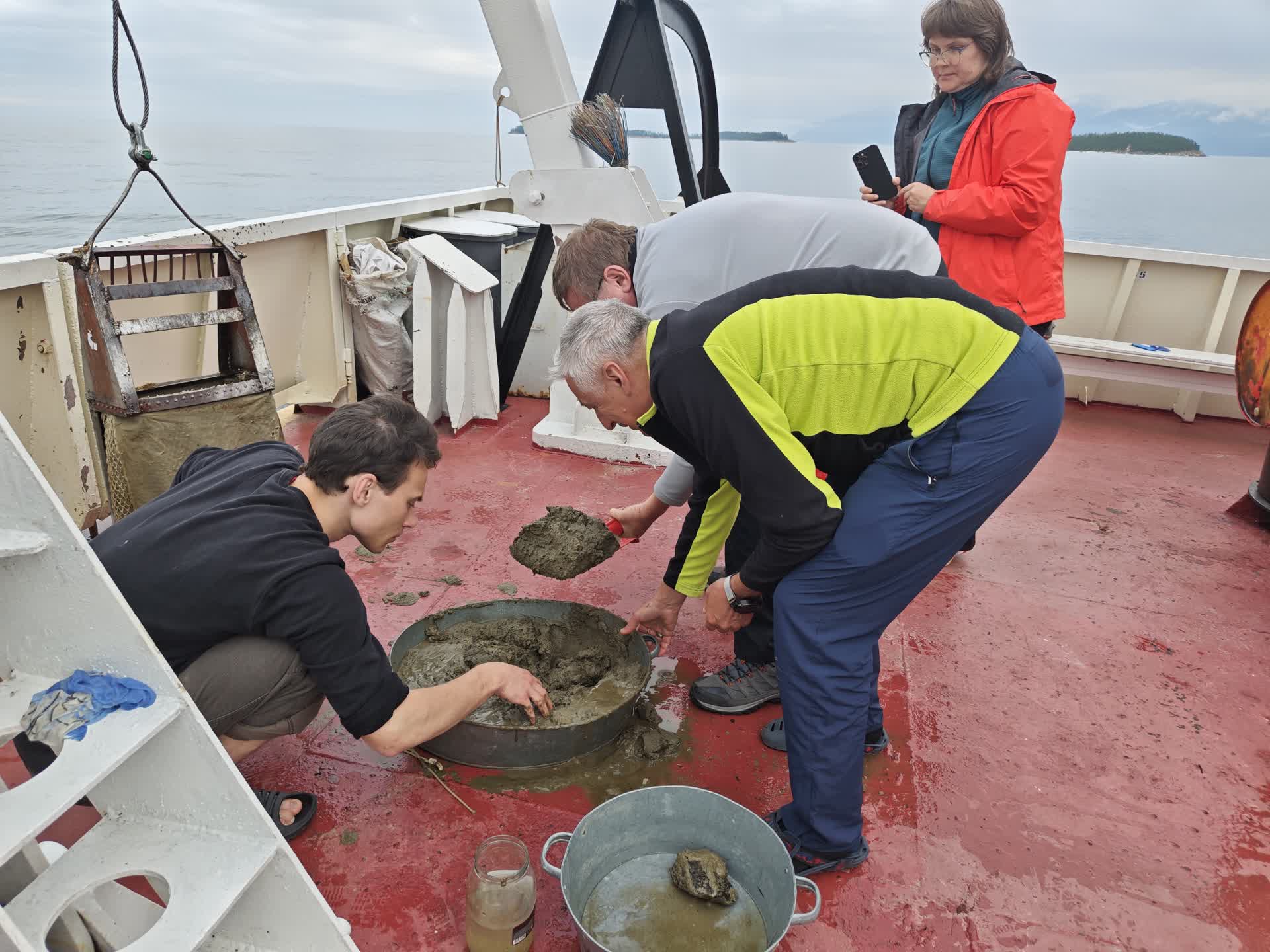
Then, several dredging stations were conducted near Bolshoy Ushkany Island. At 18:00, the dredge was deployed at a depth of 70-80 m (coordinates 53.853967 and 108.661945). The sample contained Pachyschesis/Poekilogammarus (small gammarids); the substrate was very dense and sandy, with an extremely poor benthic community. In this regard, it was decided to navigate around the western side of the island and perform an additional dredge haul at a shallower depth. For the second station, the haul began at a depth of 18 m (coordinates: 53.840221 and 108.602973) and ended at a depth of 20 m (coordinates: 53.843995 and 108.606072). This sample contained a large number of mollusks–Valvata and Baicalia–a significant quantity of encrusting sponge, and Pallasea, which belongs to a different species than those collected earlier in the Olkhon Vorota Strait.