
Limnological Institute
Siberian Branch of the Russian Academy of Sciences
+7 (3952) 42-65-04
info@lin.irk.ru

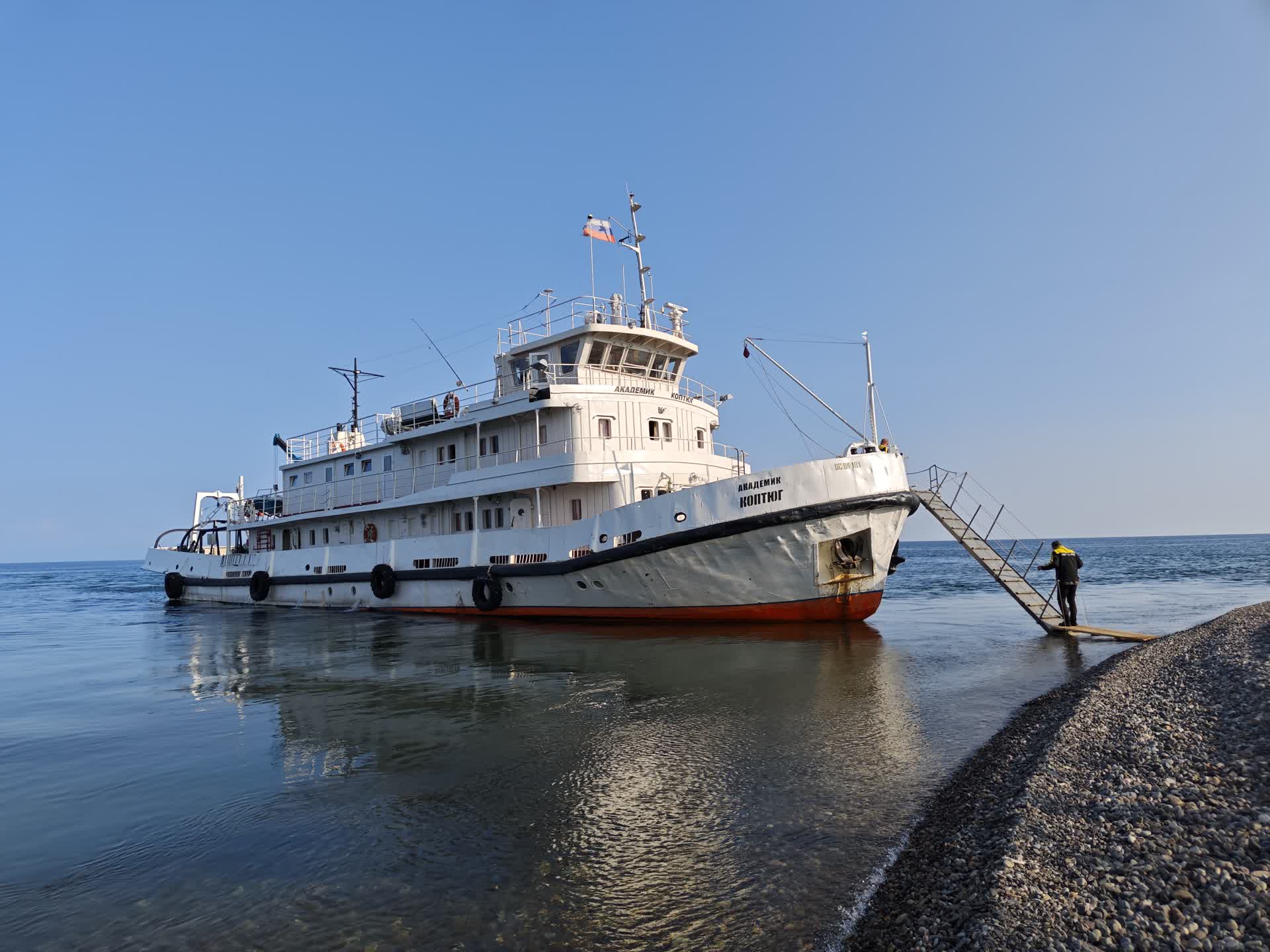
Limnological Institute is a research institution for complex interdisciplinary studies of Lake Baikal and other water bodies of Siberia.

The main activities of the Institute are to obtain and apply new knowledge in the fields of biology, chemistry, physics, geology and geography by conducting fundamental research aimed at understanding processes of formation and functioning of aquatic ecosystems, diversity and evolution of aquatic organisms, and mechanisms of biological speciation, as well as to carry out search and applied studies in these fields.  Main research areas of the Institute:

  • Limnology: mechanisms of speciation, biodiversity and evolution of lacustrine systems;
  • Current state and forecast of development of inland water bodies and streams;
  • Live systems: comprehensive studies of aquatic organisms by methods of classical and molecular biology, and related sciences.

The Institute is a successor of the Baikal Limnological Station, the first institution of the Academy of Sciences in Siberia founded in 1928.

In 1961, according to the Resolution of the Presidium of the USSR Academy of Sciences No. 49 of January 20, 1961, the Station was reorganized into Limnological Institute of the Siberian Branch of the USSR Academy of Sciences.

Personalities created the history of Lake Baikal studies.

Gleb Vereshchagin, a world-famous limnologist, was the first Director of the Baikal Limnological Station. He initiated comprehensive biological, hydrological and geochemical studies at Lake Baikal. History of first expeditions.

Grigory Galazy Academician, was the first Director of Limnological Institute. He formed the staff at the Institute, succeed in setting up a modern research fleet at Lake Baikal, and invited scientists from different regions of Russia and foreign countries to investigate Lake Baikal.

Michael Grachev Academician, headed the Institute from 1987 to 2015.

To-date, Andrey Fedotov, Dr. Sc. (Geology and Mineralogy), is Director of the Institute.

Structure and staff of the Institute:

LIN SB RAS includes 1 department and 14 laboratories.
The Institute employs 337 people, including:

  • 132 researchers, of them 28% are under the age of 39;
  • 15 doctors of sciences;
  • 104 candidates of sciences;
  • 6 professors;
  • 13 associate professors.

The most important results of the Institute in basic research:

  • Ascertainment of the causes of mass mortality of Baikal seals (6,000 seals died between 1987 and 1988): virus epizootic caused by morbillivirus (canine distemper virus); the first evidence of this virus in seals.
  • Reconstruction of Baikal sedimentary paleoclimate records for the past 8 million years and sub-recent climate records; continuous paleoclimate records of the continent could be obtained only at Lake Baikal; all the results were pioneering. The work was carried out in a broad international and Russian cooperation. 
  • A system of search and mapping of near-surface occurrence of methane hydrates and gas production developed and tested at Lake Baikal . The work was carried out in collaboration with scientific and educational institutions of Russia and European and Asian countries.

Baikal-Evolution-2026, 17 August

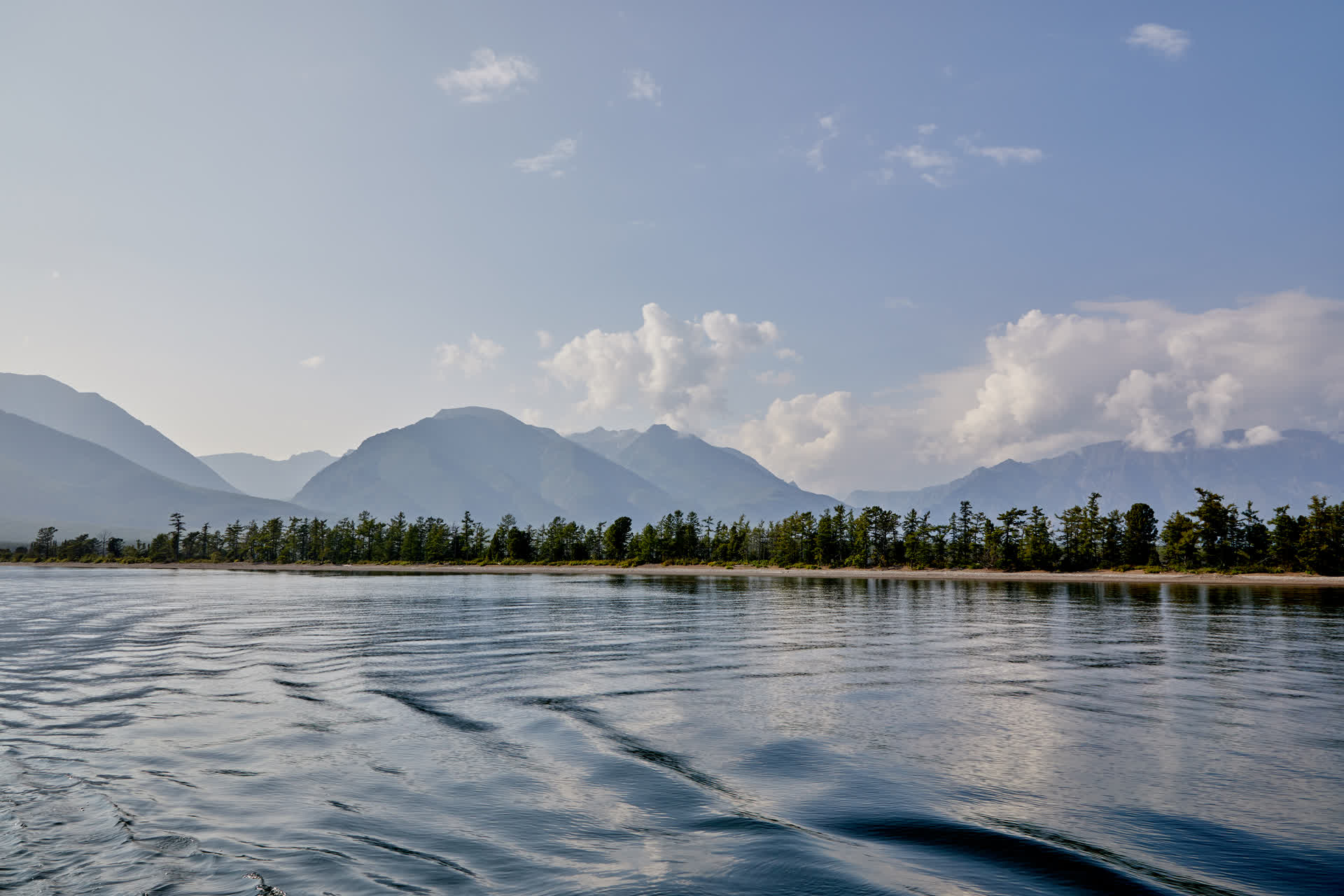
Monday, 17 August 2026. Northern basin of Lake Baikal, Cape Muzhinay

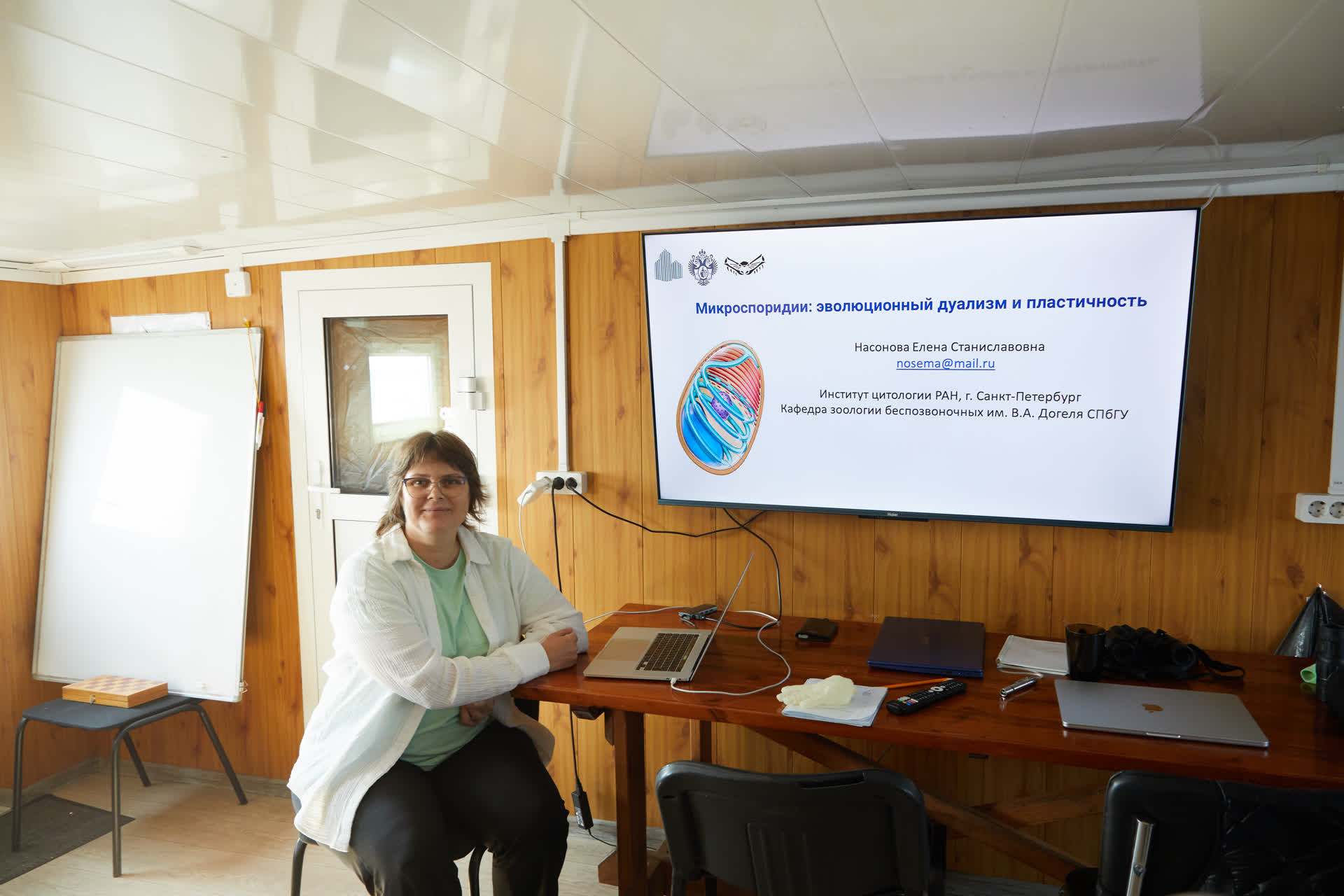
At 10:00, E.S. Nasonova, Cand Sc in Biology (a leading research fellow at the Institute of Cytology of the Russian Academy of Sciences) delivered a lecture titled “Early evolution of the Glomeromycota clade: metagenomic and phylogenomic approaches”. The lecture overviewed the group of microsporidia, their evolution, and phylogenetics. It examined current perspectives of the position of microsporidia within the eukaryotic system, the application of metagenomic and phylogenetic approaches to the reconstruction of early stages of the group’s evolution, and methodological challenges in the analysis of the highly reduced genomes of parasitic organisms.

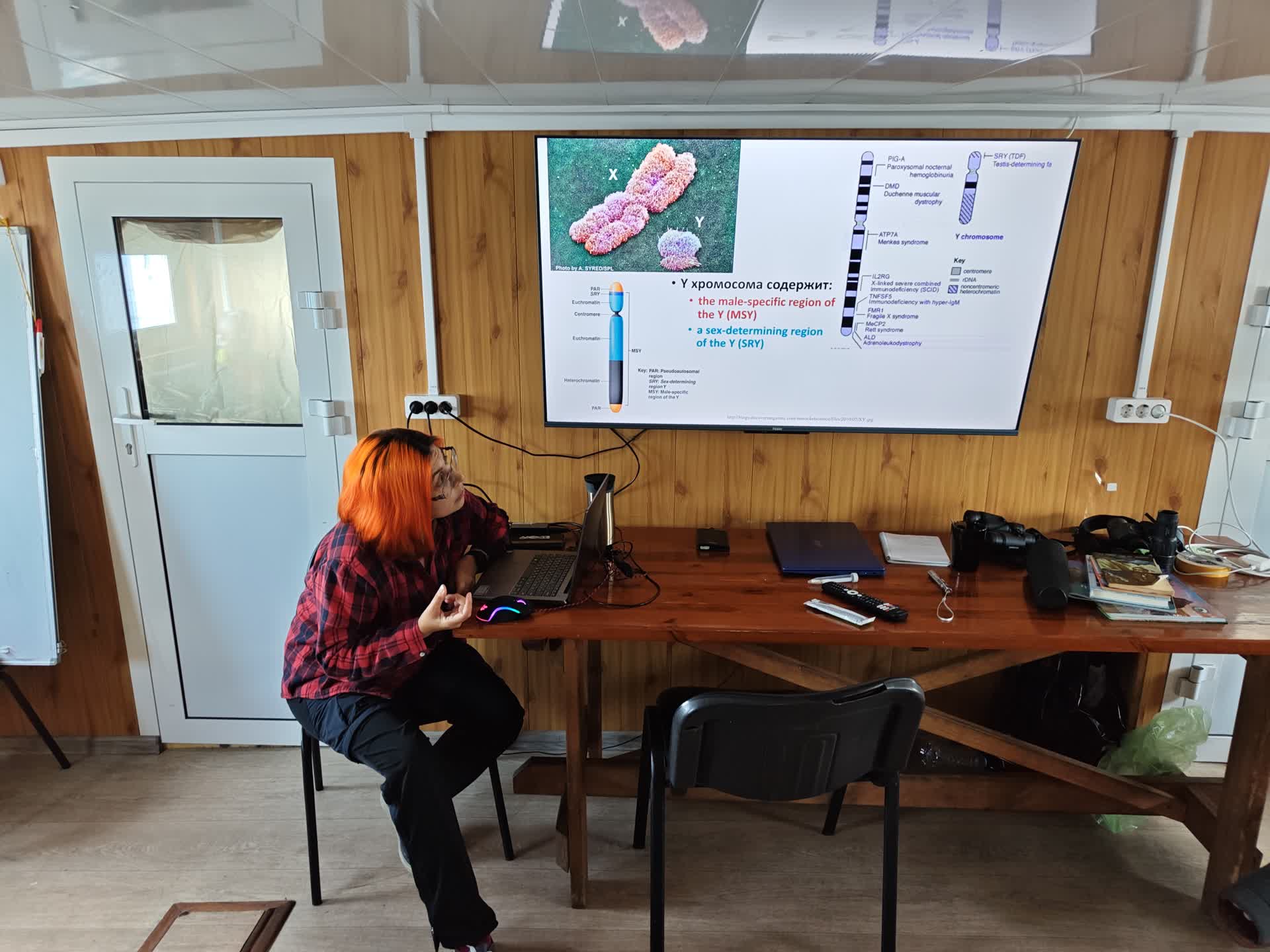
At 16:00, the lecture program continued with a presentation by Evgeniya I. Bondar (a research fellow at NSCMB FEB RAS and FEFU) titled “Male and female: how sexual behavior shapes the structure of a species”. The speaker examined mechanisms of gender formation across various animal groups, the role of X and Y chromosomes and other sex-determination systems, cases on sex reversal during ontogeny, as well as diverse reproductive strategies and their influence on the structure of populations and species.

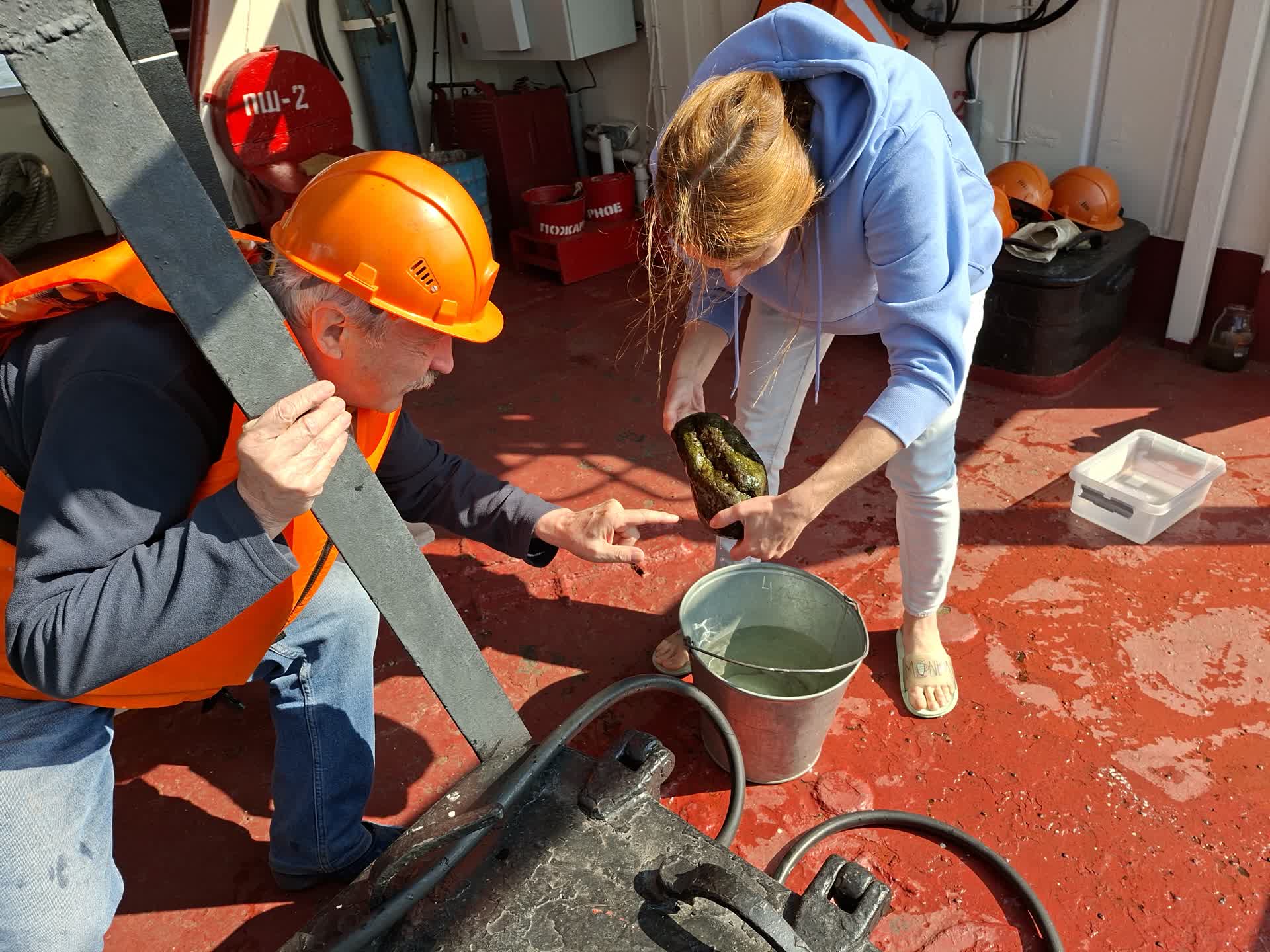
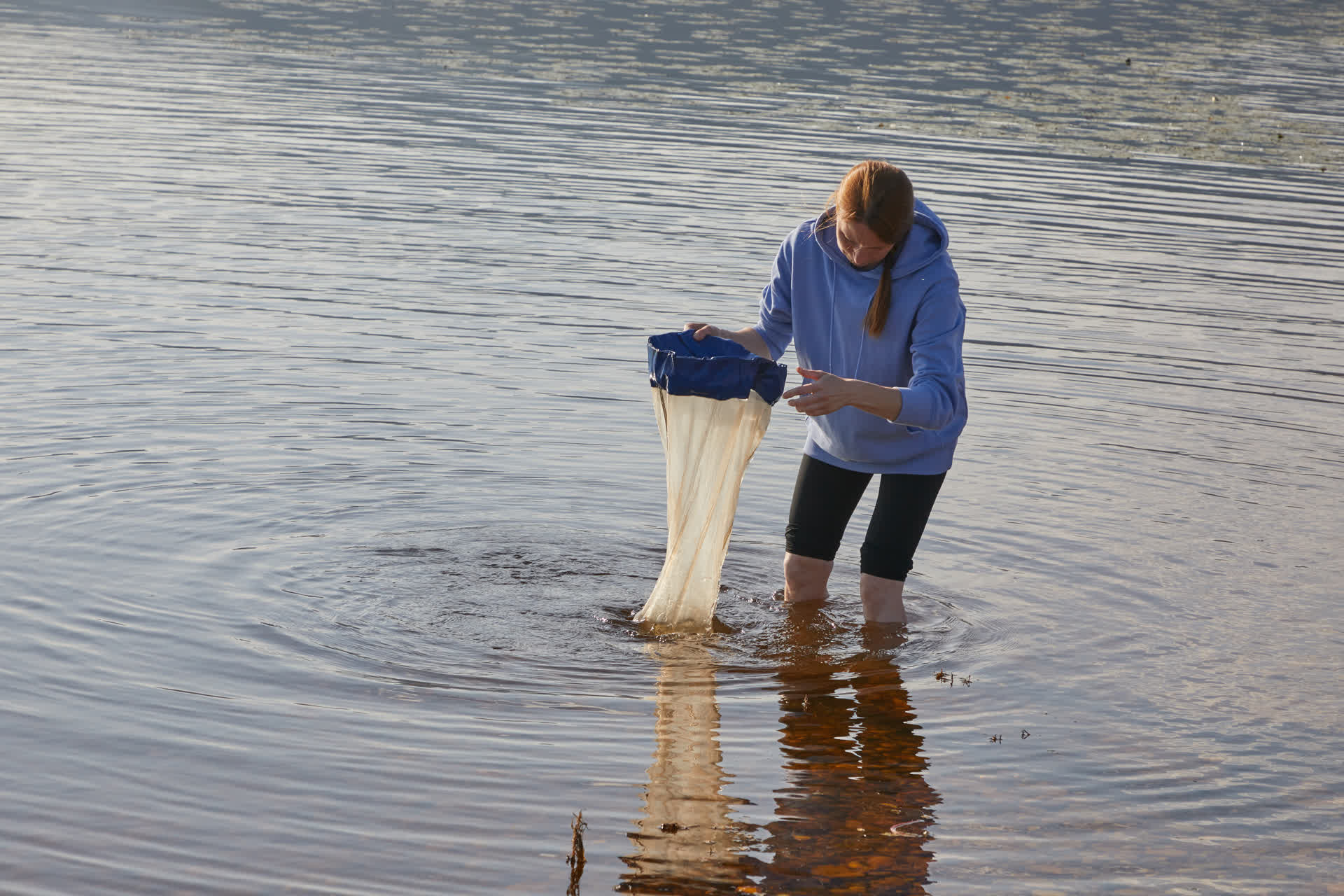
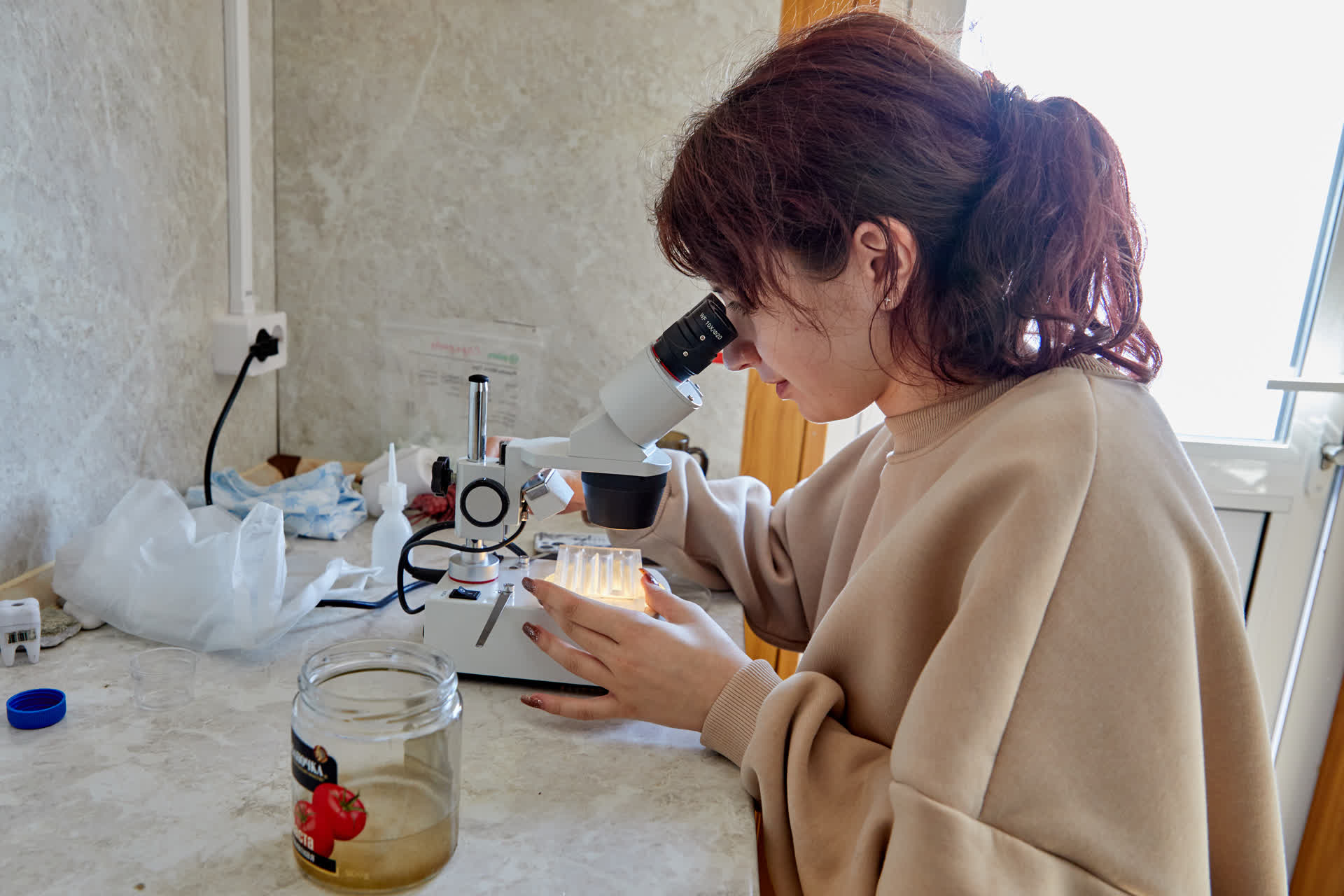
At 17:00, dredge haul was carried out near Cape Muzhinay (coordinates 54.843307 and 108.891607) at depths of 25–30 m. Additionally, the participants visited Lake Muzhinay, where samples of Daphniidae, Copepoda, and Rotifera were collected using a plankton net. The collected material was partly preserved, while the remainder was examined by the participants under a binocular microscope.