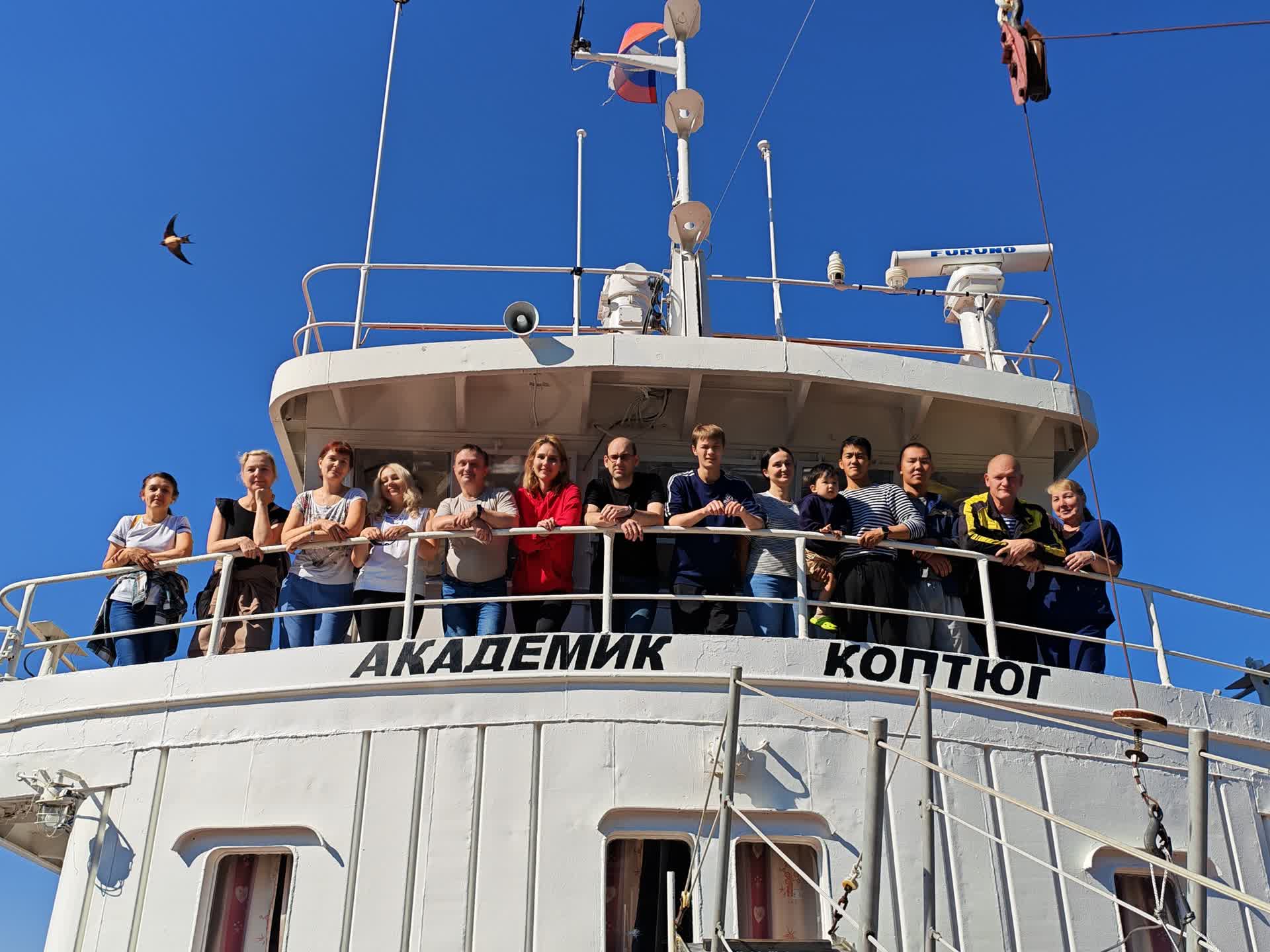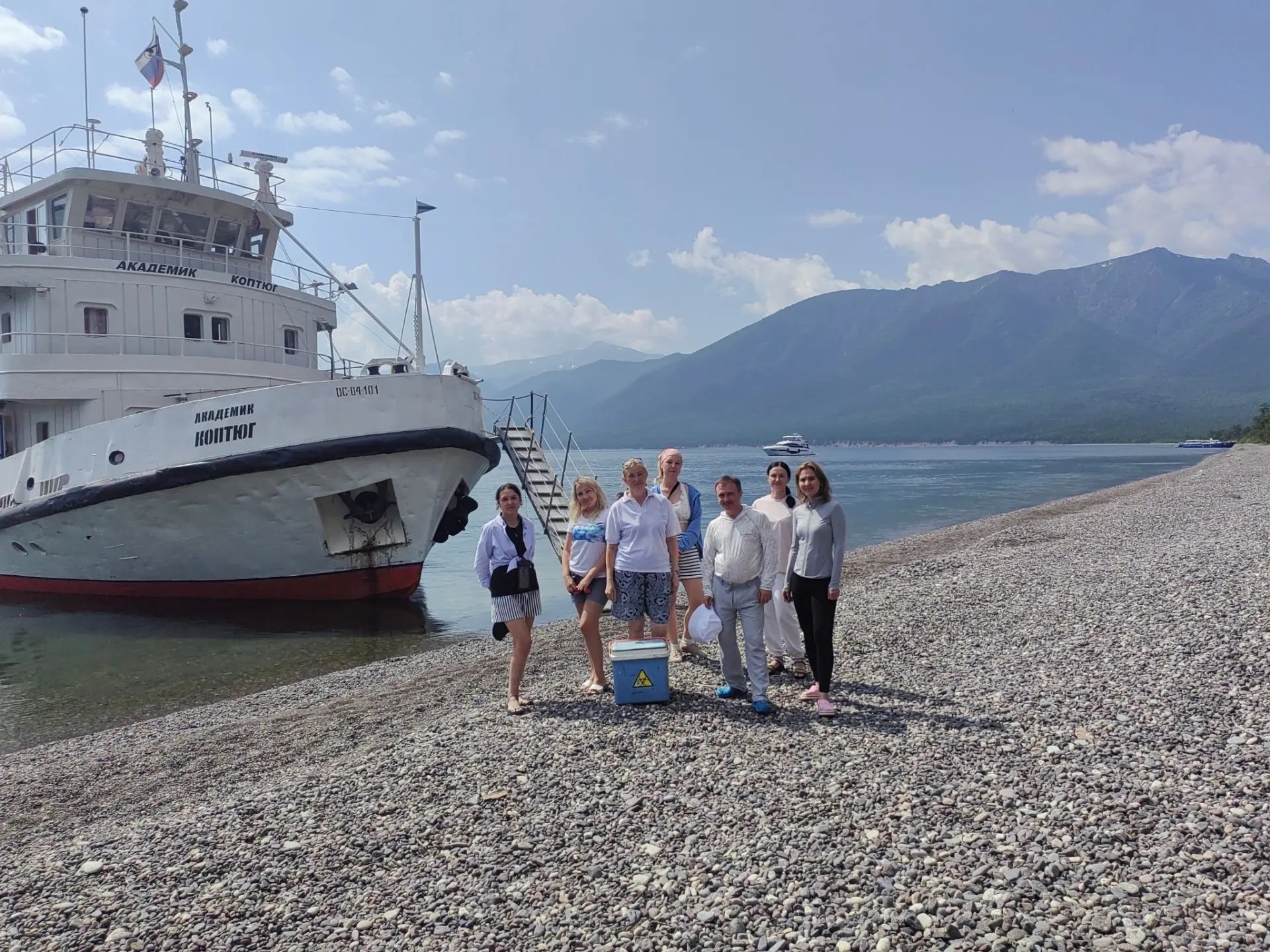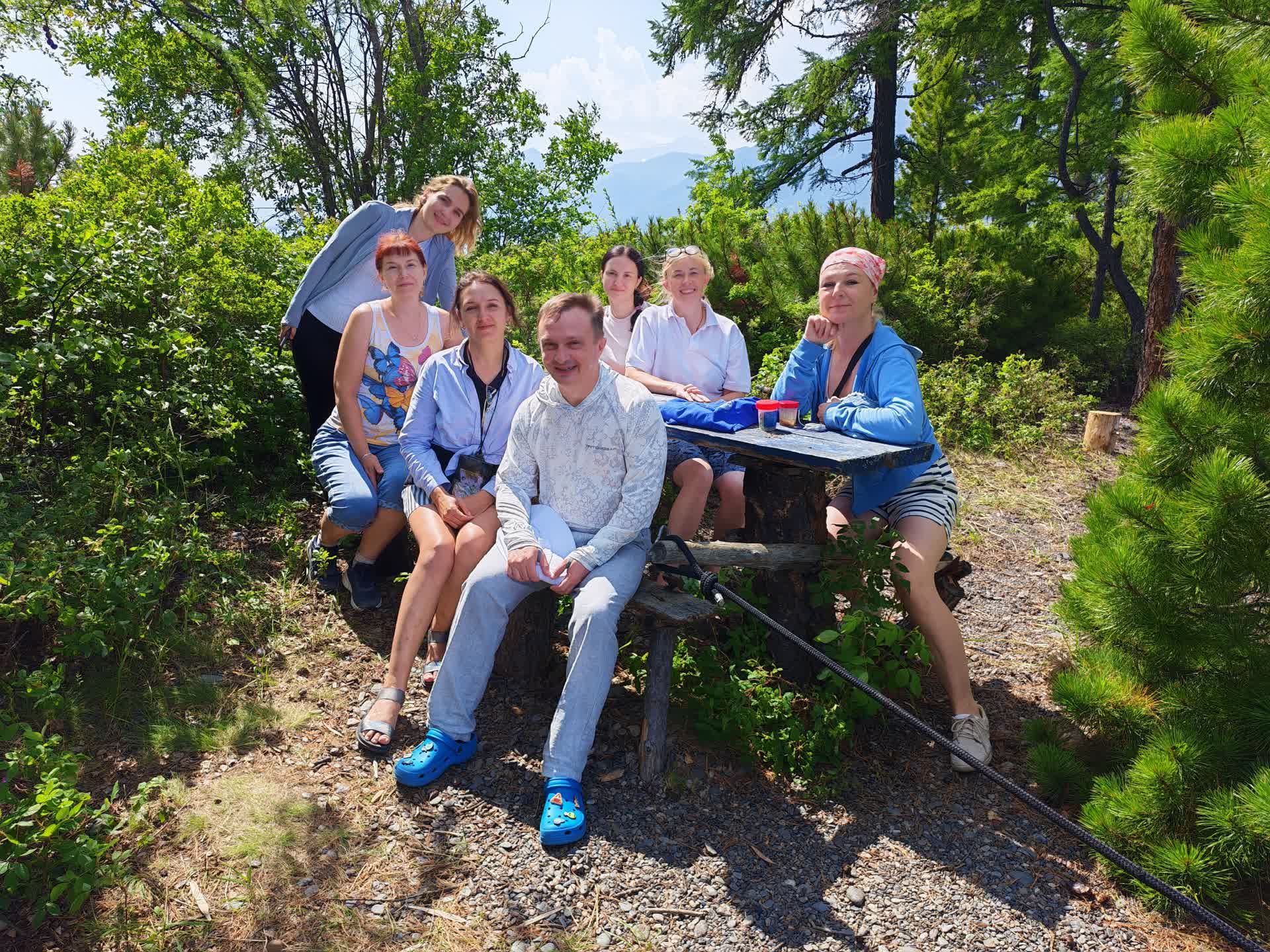



Expedition on the R/V Akademik V.A. Koptyug on August 1-12, 2026
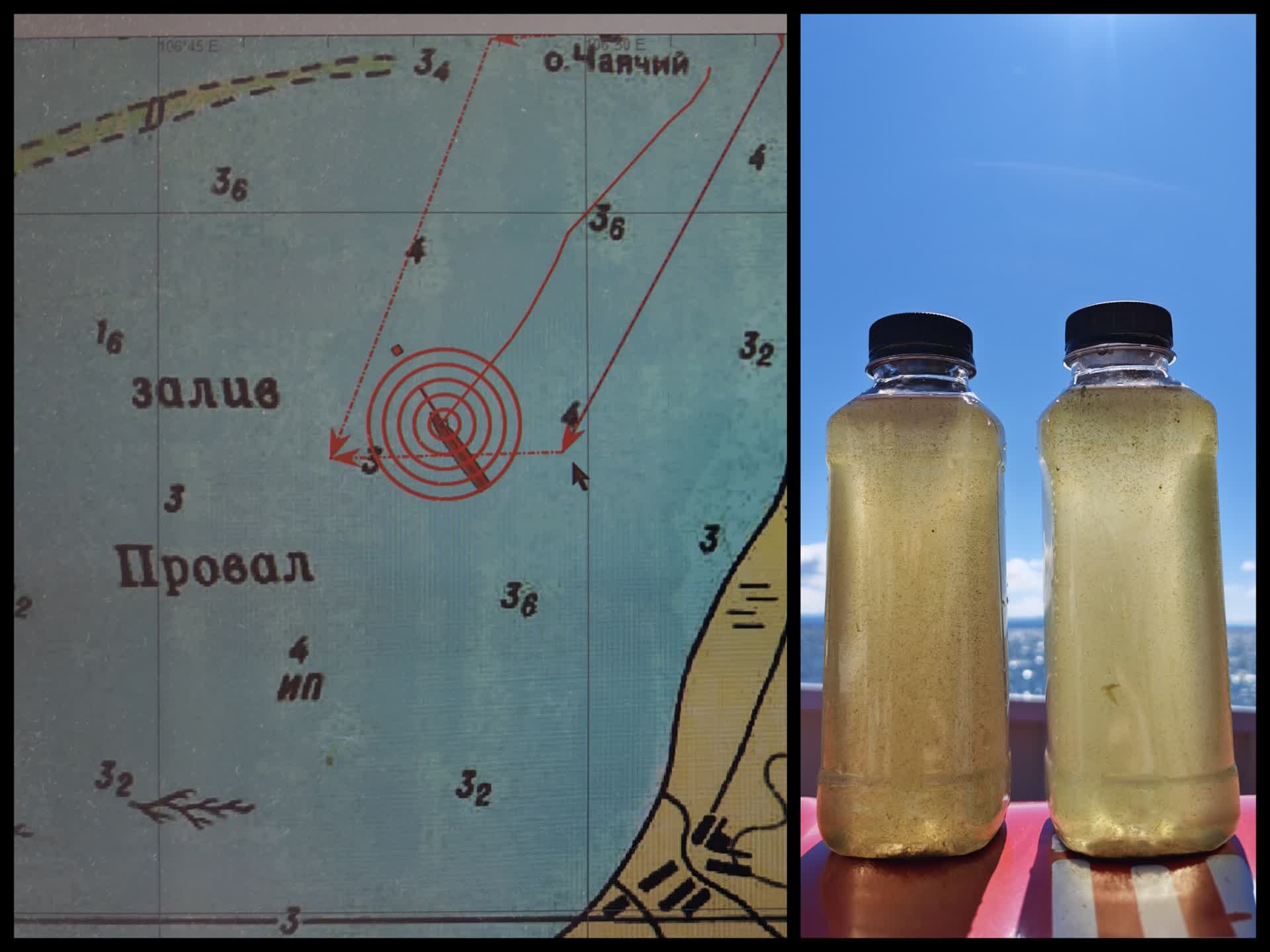
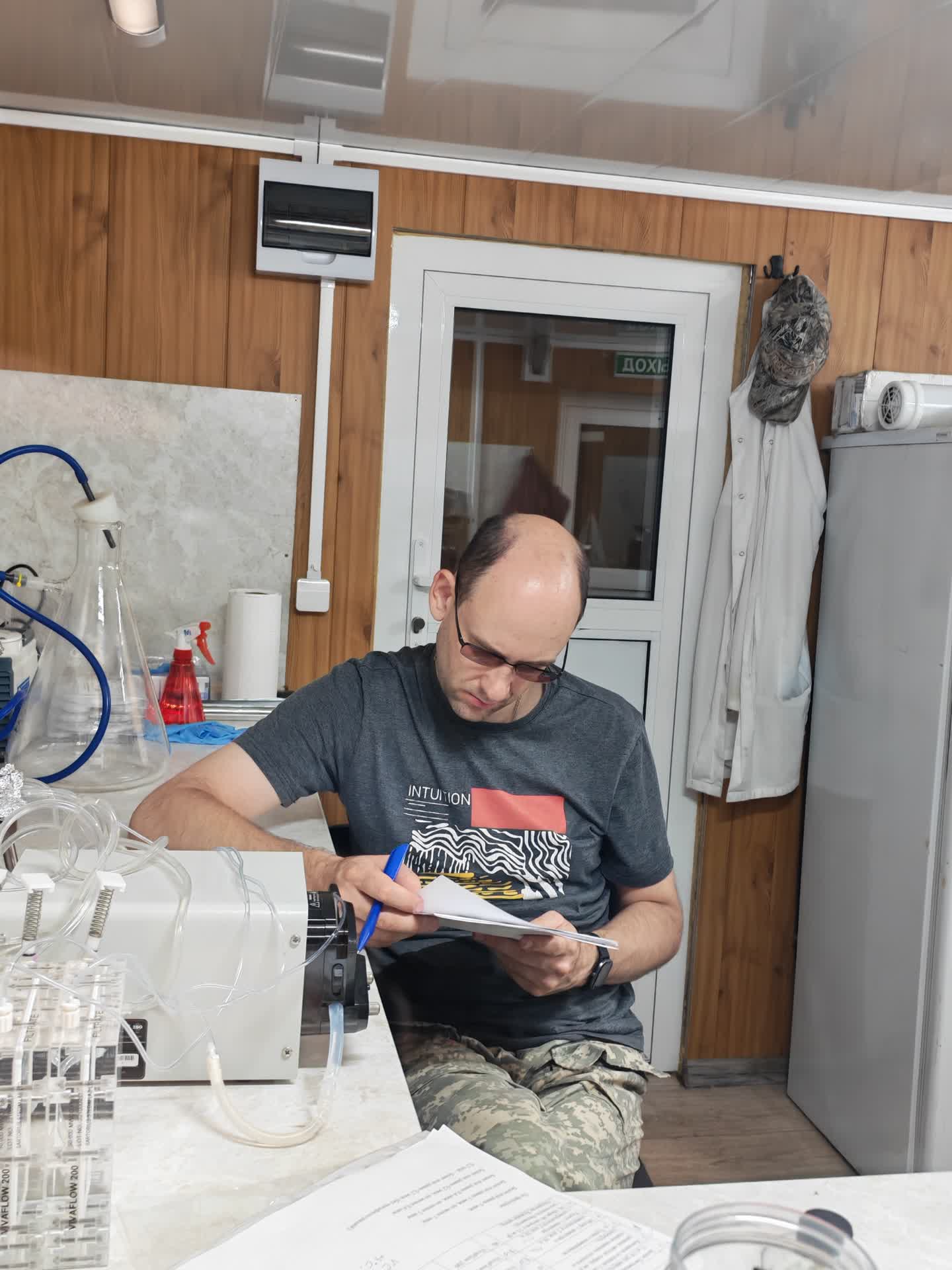
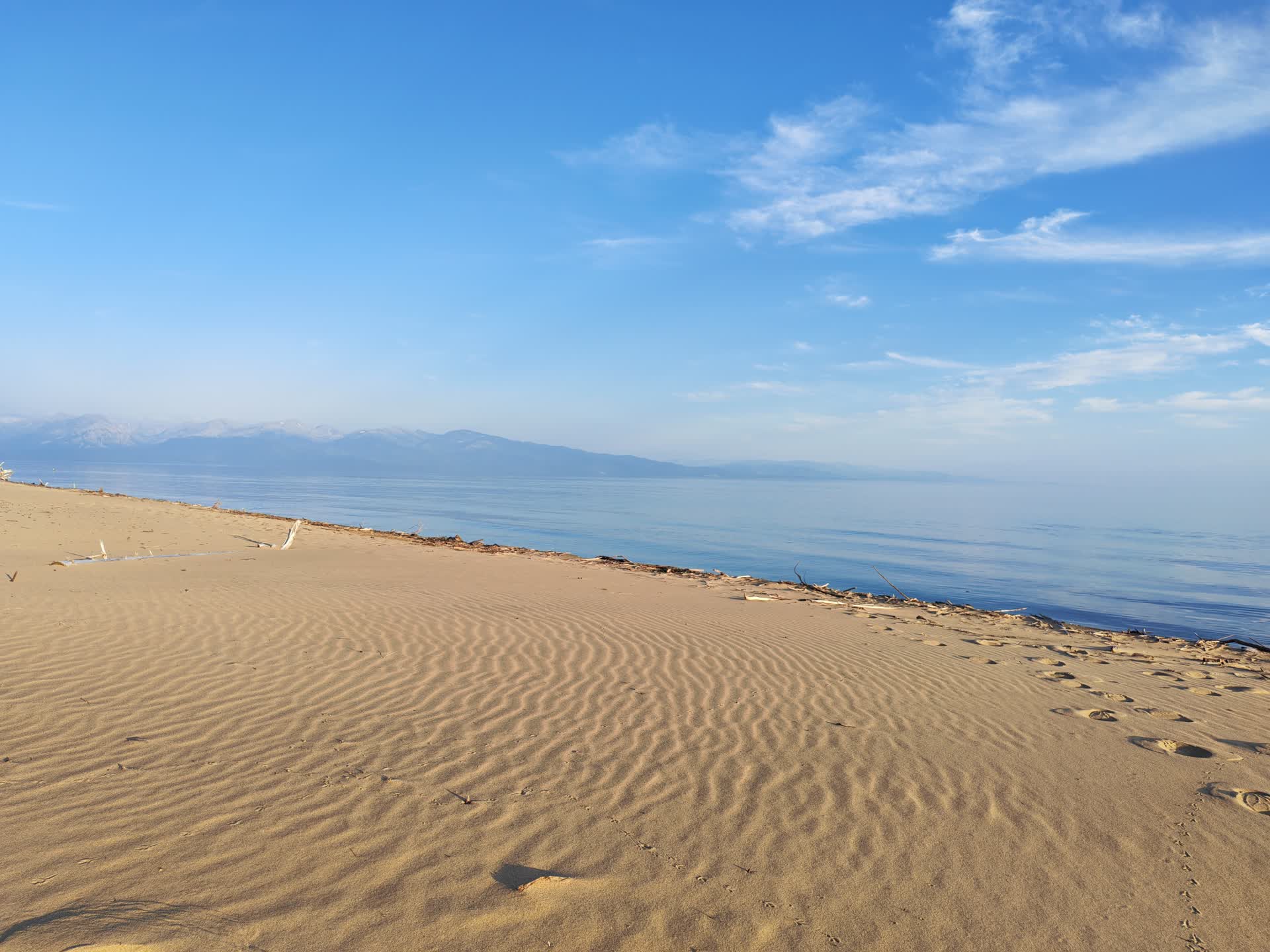
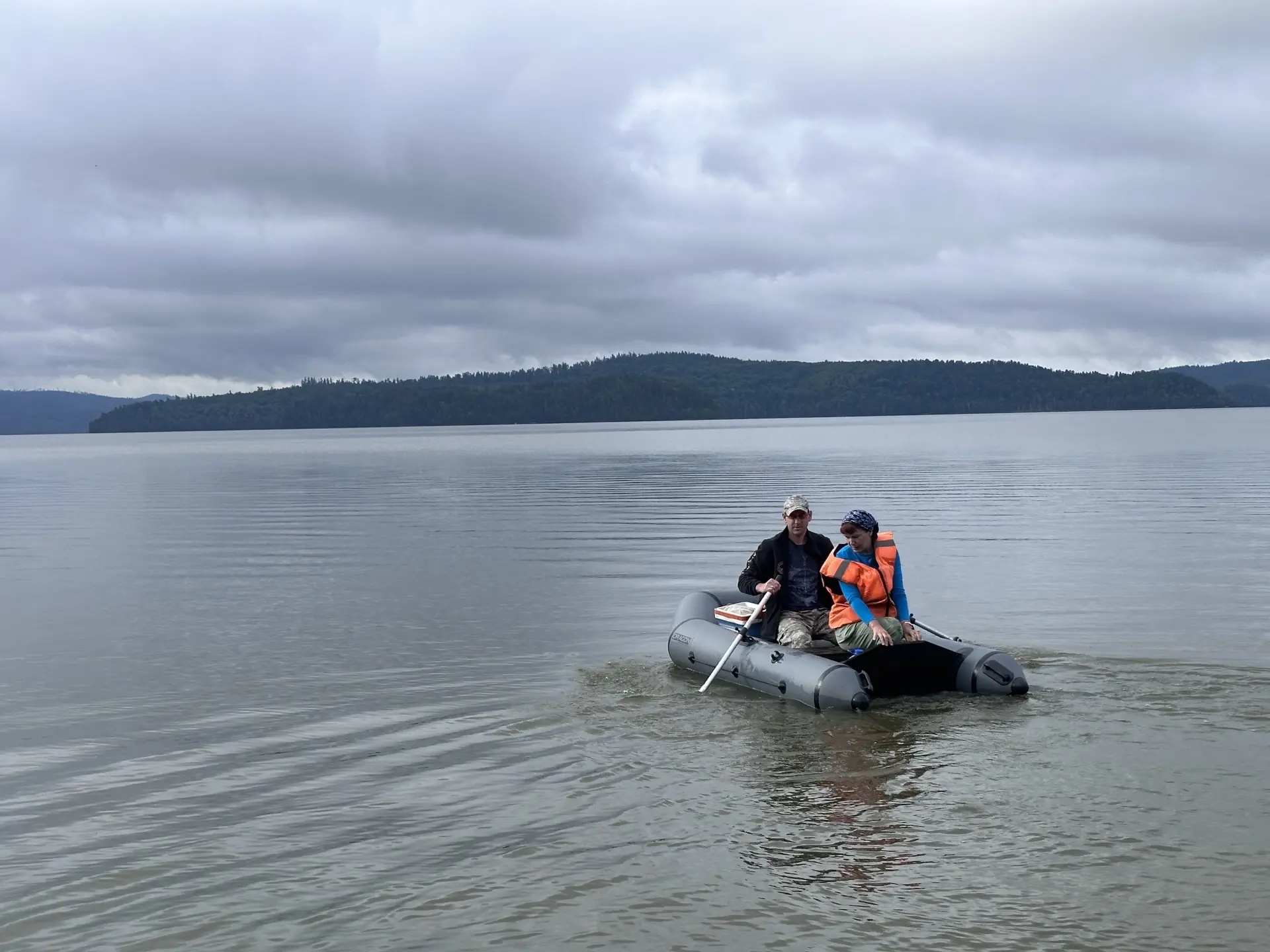
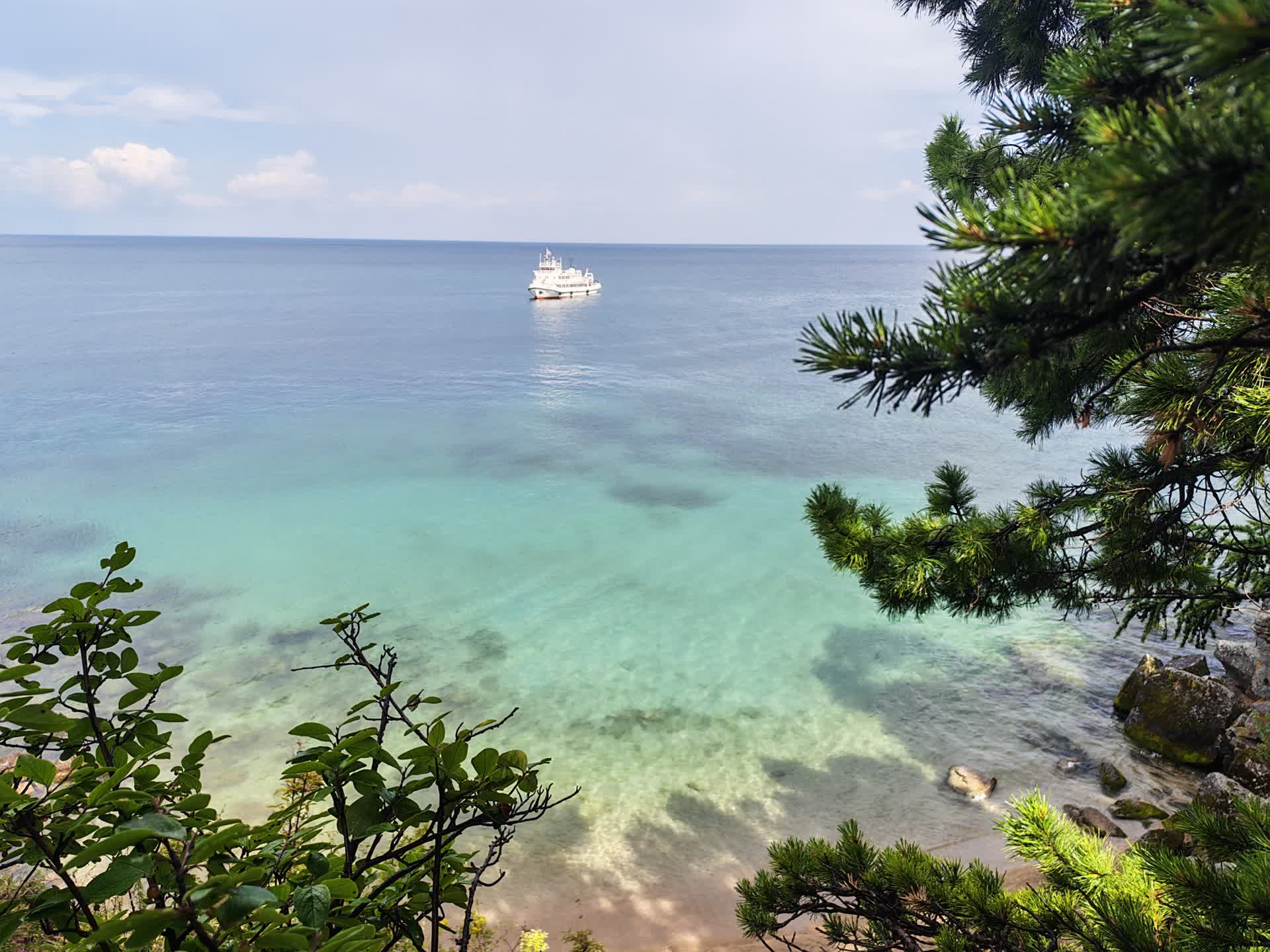
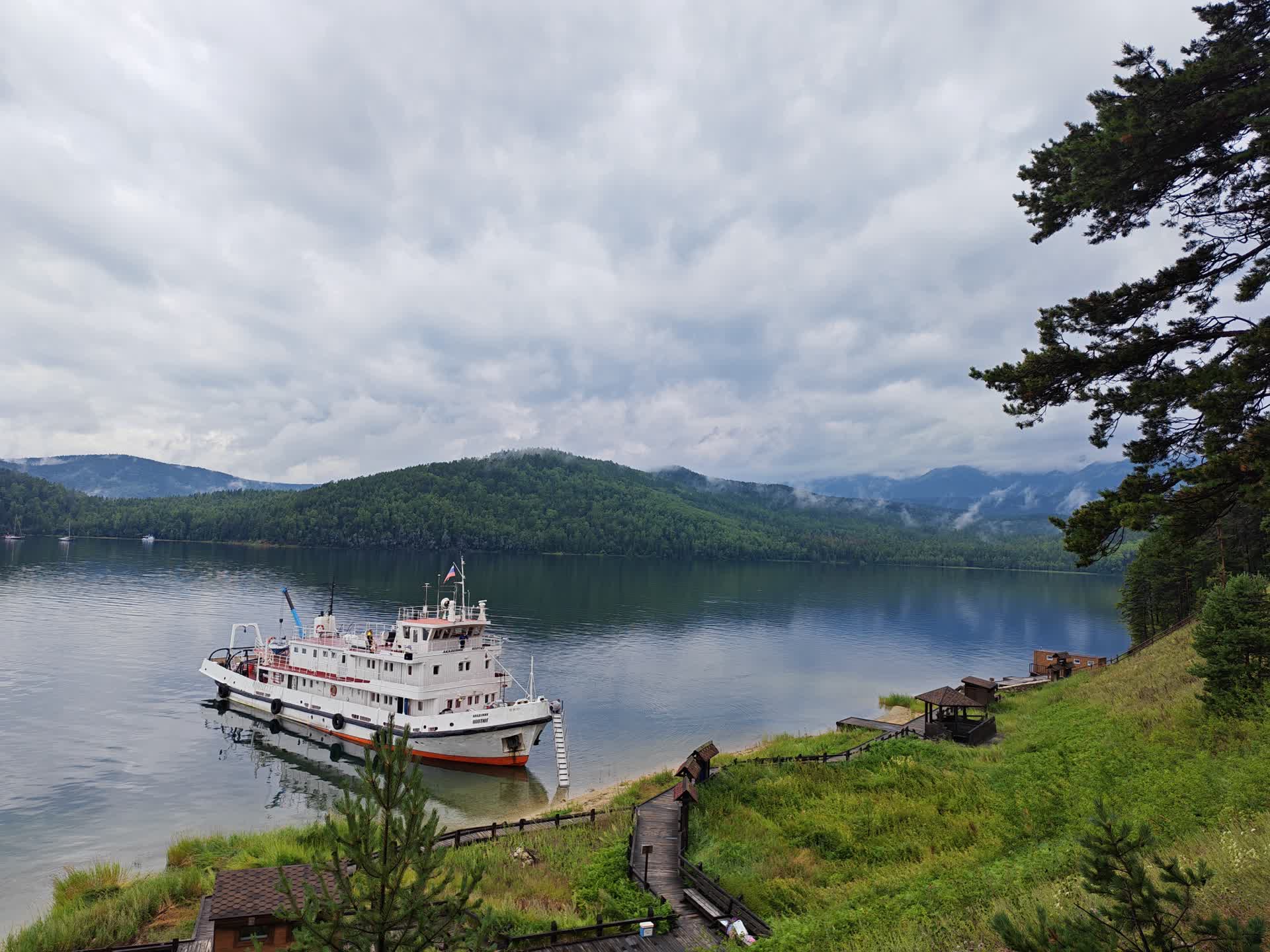
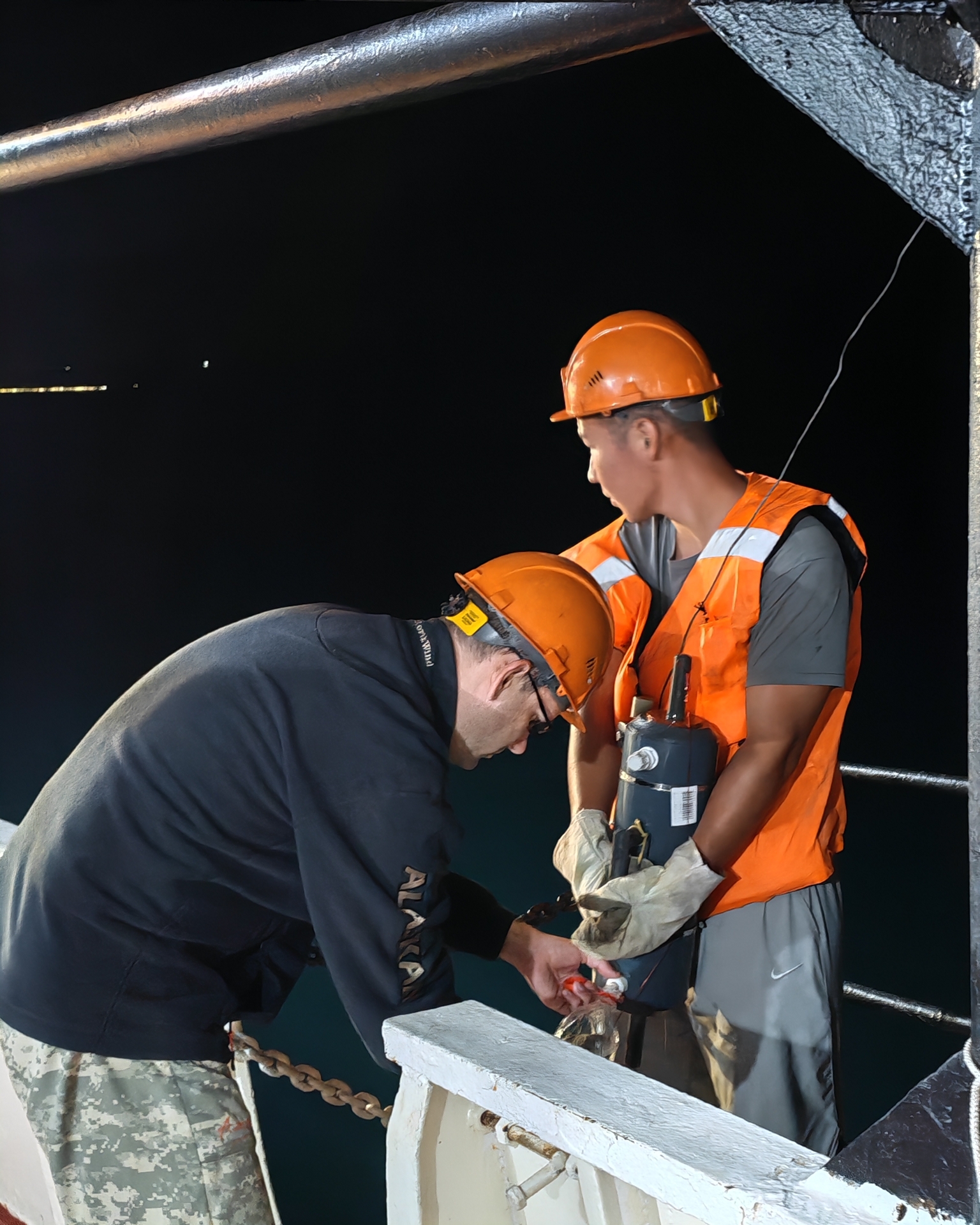
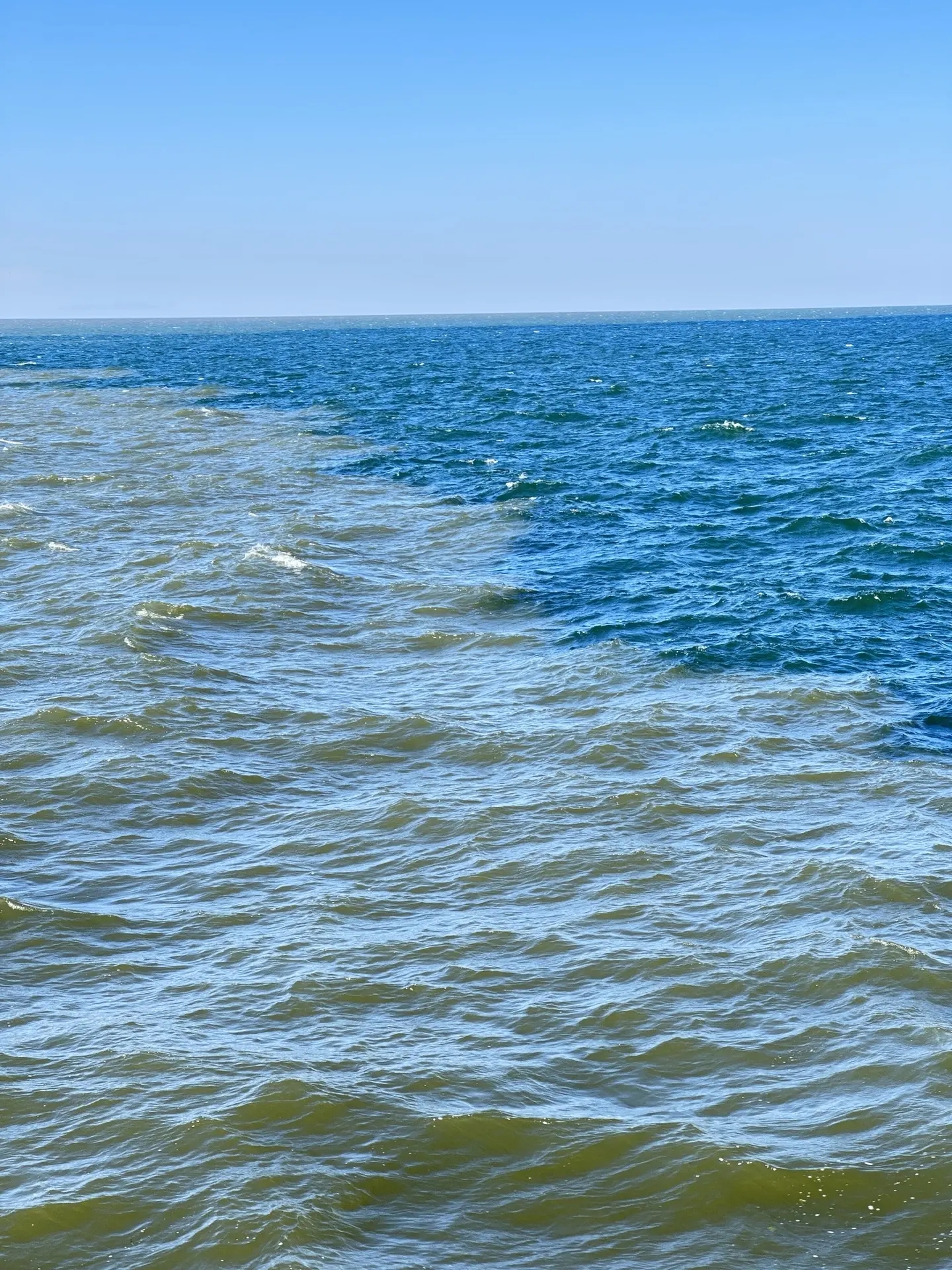
On August 1-12, 2026, within the state assignment No. FWSR-2026-0004 “Comprehensive study of viral and bacterial communities of Lake Baikal: structural-functional and genetic organization, dynamics, and transformation of microbial communities under the influence of various environmental factors” (led by Cand. Sci. (Biol.), Leading Researcher O.I. Belykh), an expedition took place on the R/V Akademik Koptyug. Nine staff members of the Laboratory of Aquatic Microbiology and one staff member of the Laboratory of Hydrochemistry and Atmospheric Chemistry took part in the expedition. The work was carried out in the pelagic zone of Lake Baikal at the central stations of the transects Listvyanka – Tankhoy, Cape Ukhan – Cape Tonky, the Tyya River – the Nemnyanka River, as well as in the littoral zone near Baikalsk, Vydrino, Tankhoy, Listvyanka, Bolshiye Koty, Bolshoye Goloustnoye, Babushkin, Babushka Bay, Posolsky Sor, Proval Bay, Aya Bay, the bays of Maloye More, Cape Khibelen, Chivyrkuisky and Barguzinsky bays, Zarechny settlement, Severobaikalsk town, Nizhneangarsk settlement, the rivers Solzan, Snezhnaya, Pereyomnaya, Goloustnaya, Mysovka, Turka, Rel, the Khakusy and Zmeinyy hydrothermal springs, Lake Kotokel, and the lake near Cape Muzhinay.
Objective of the expedition: to obtain data on the quantitative distribution of sanitary-indicative microorganisms in the ecosystem of Lake Baikal; to study the composition and metabolic potential of viral and bacterial communities of Lake Baikal, genes and genomes of viruses and bacteria, as well as changes in aquatic microbial communities under the influence of environmental factors and anthropogenic load.
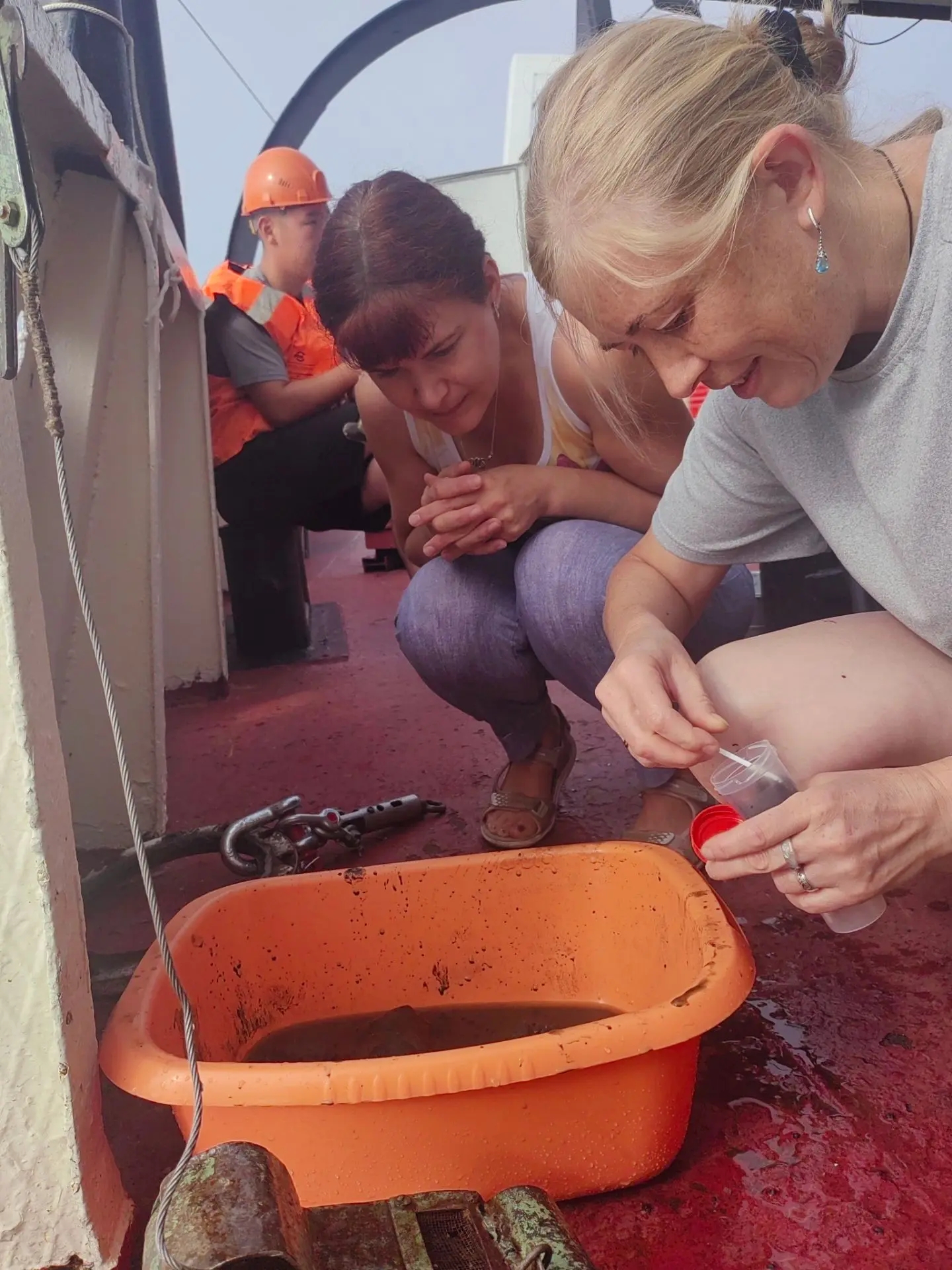
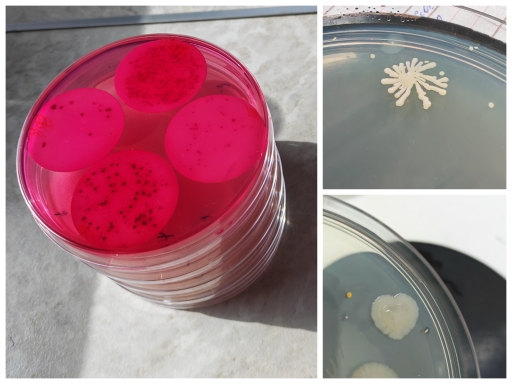
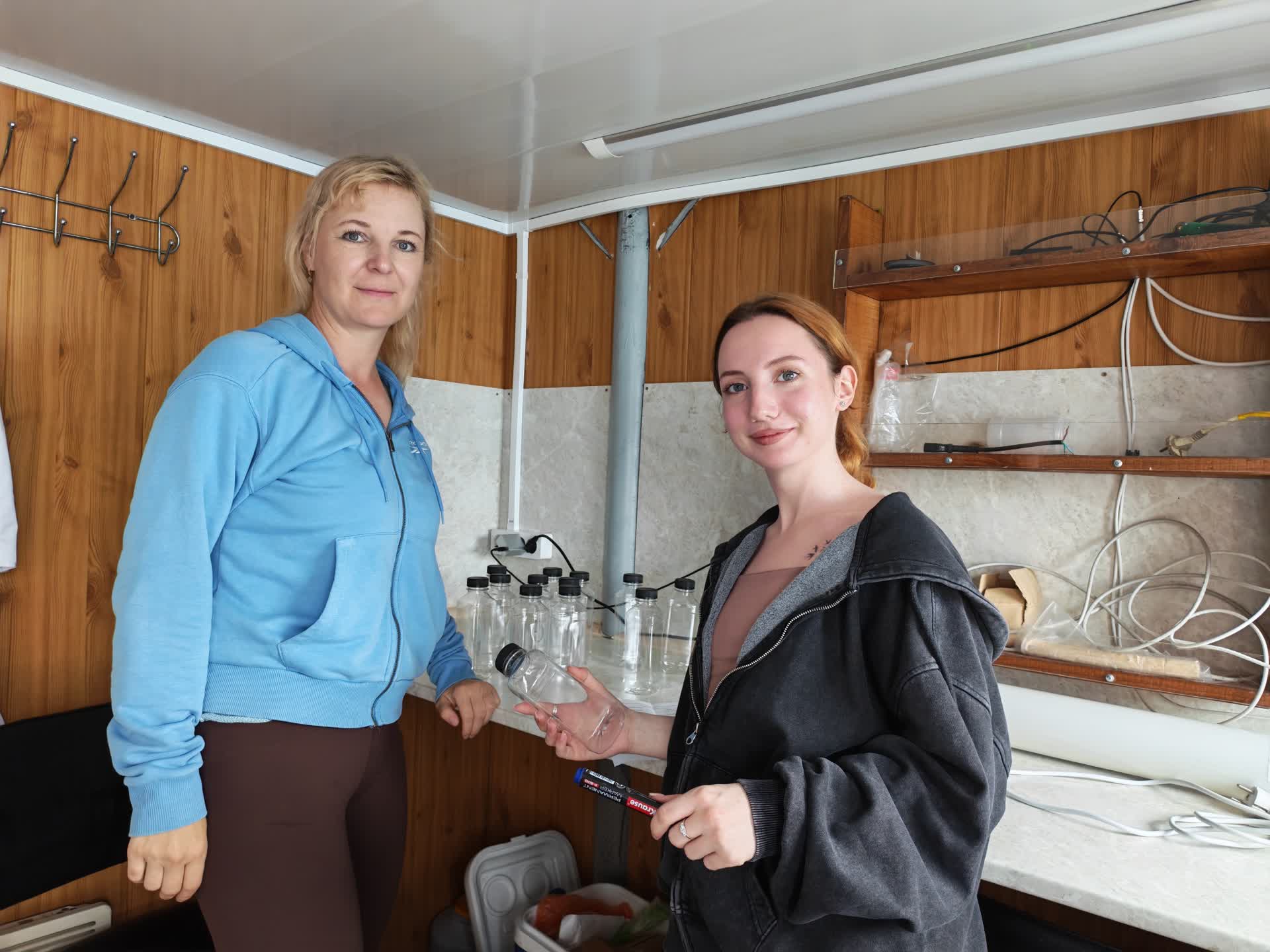
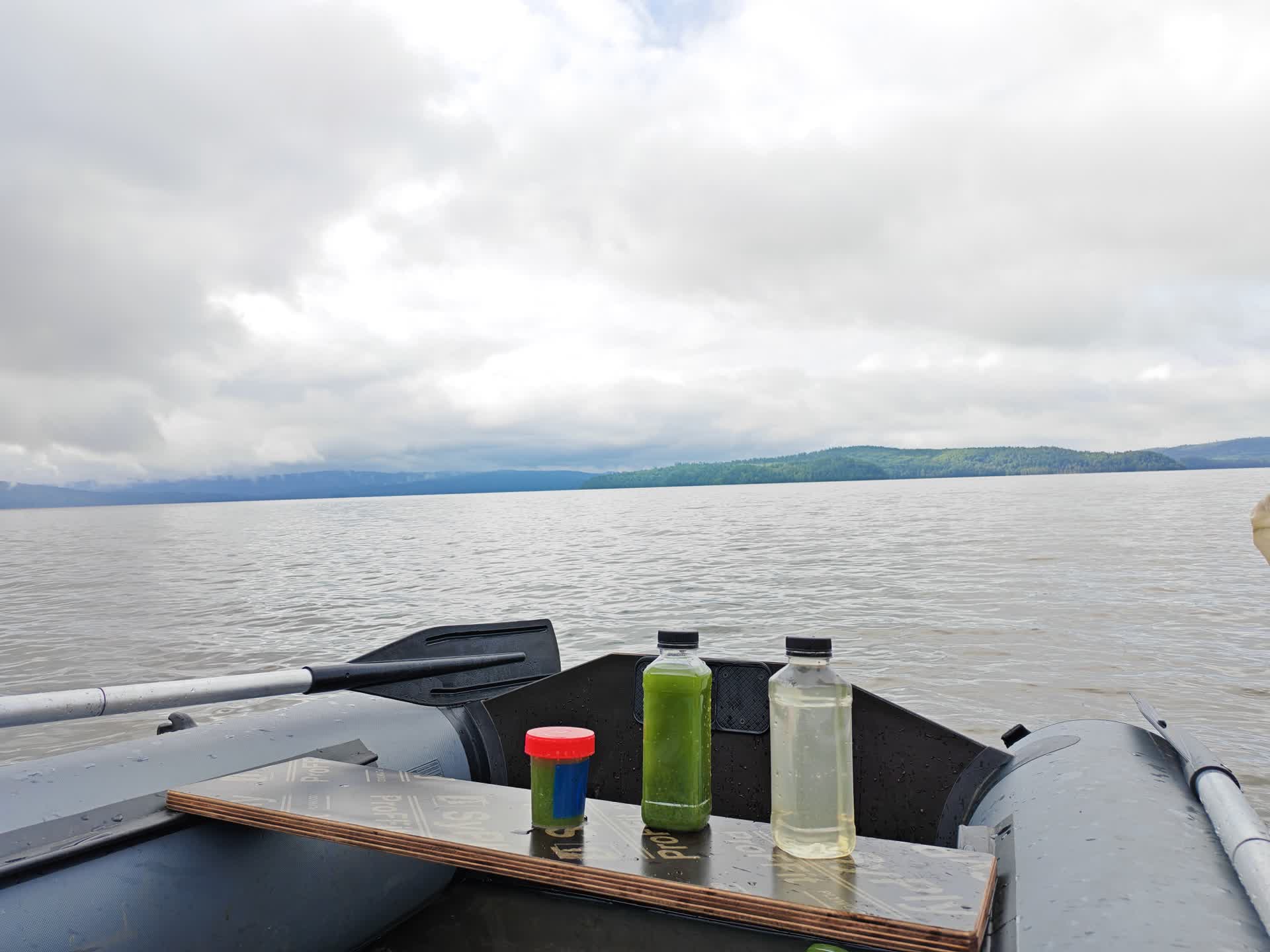
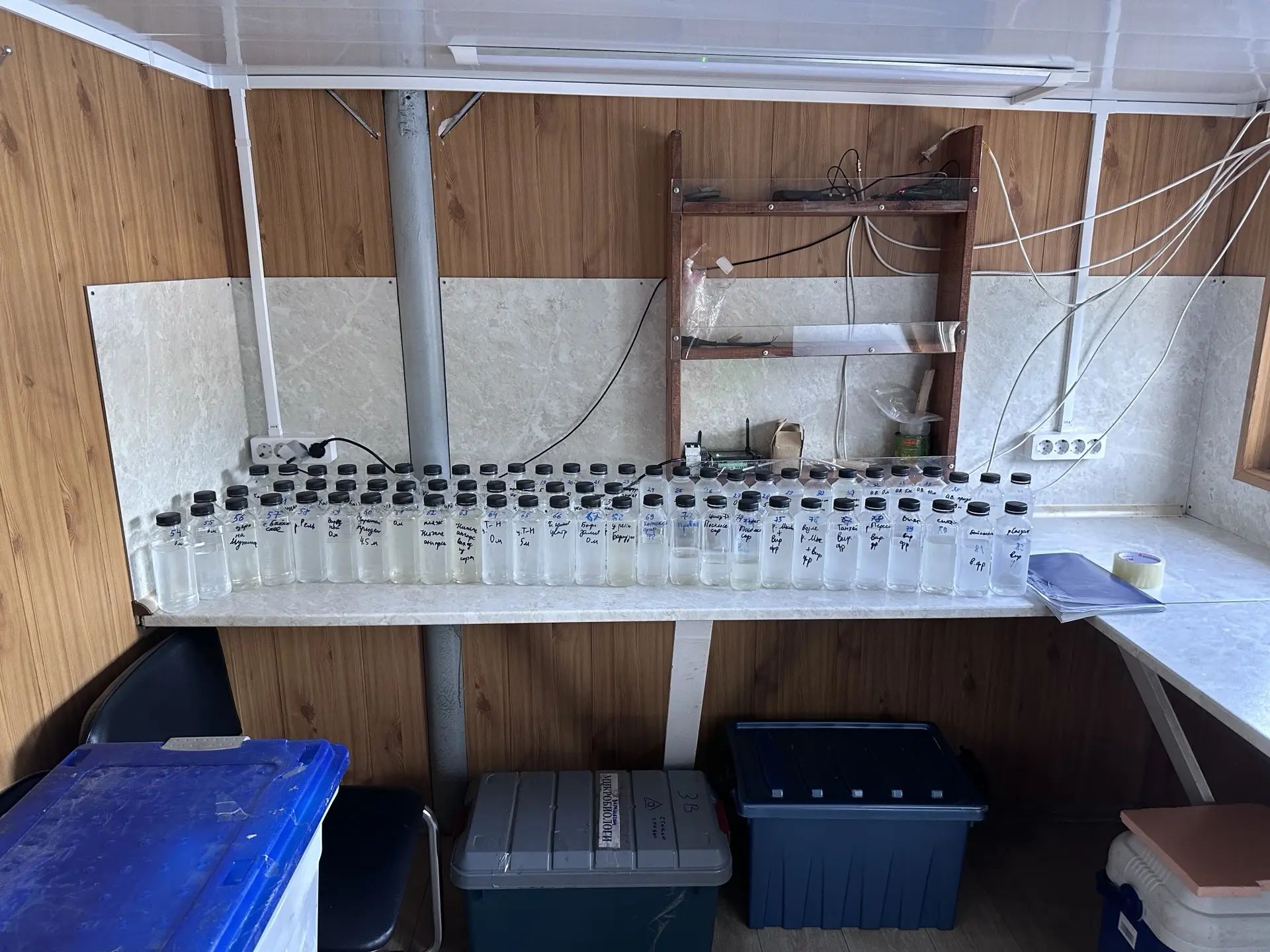
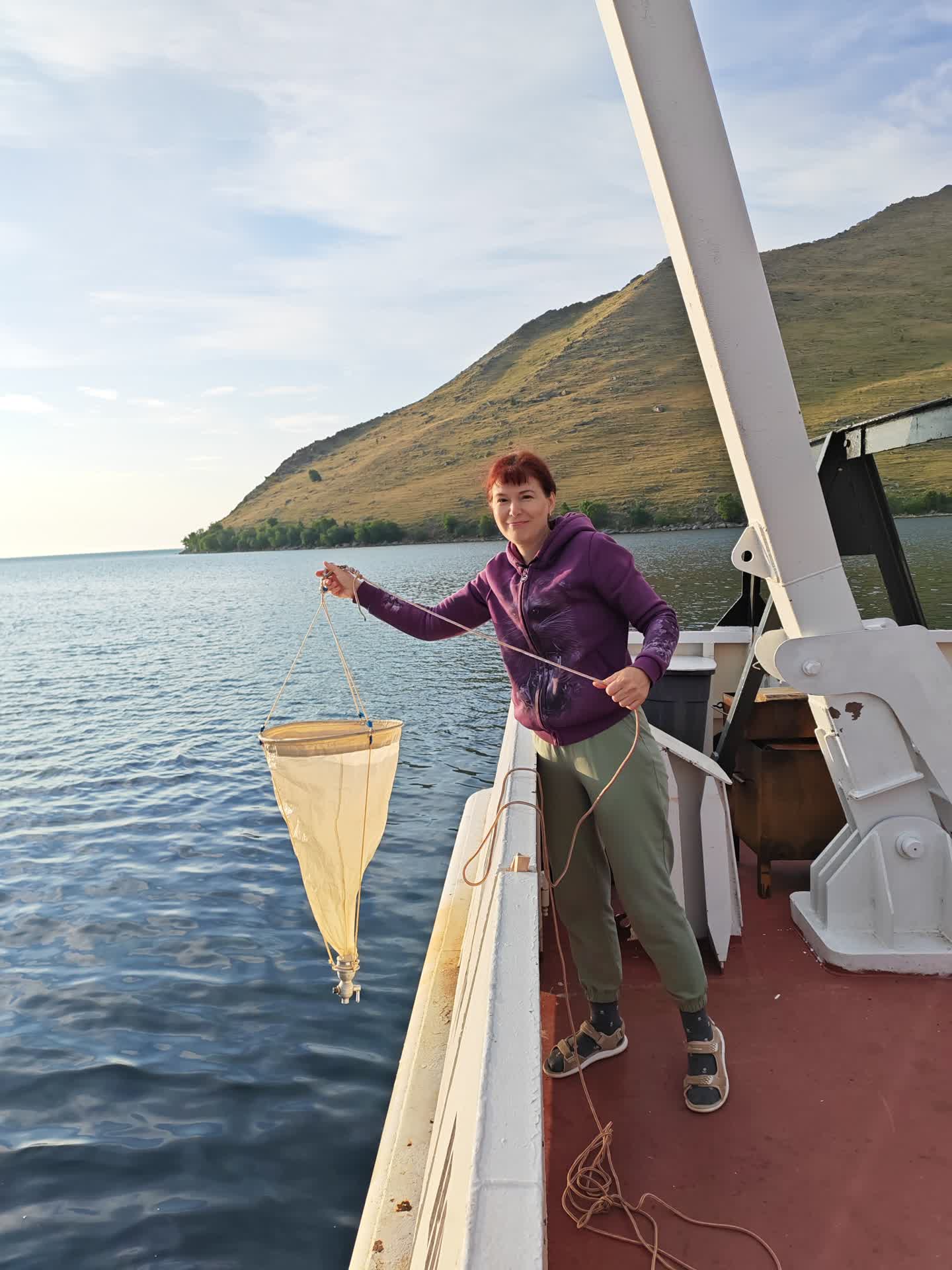
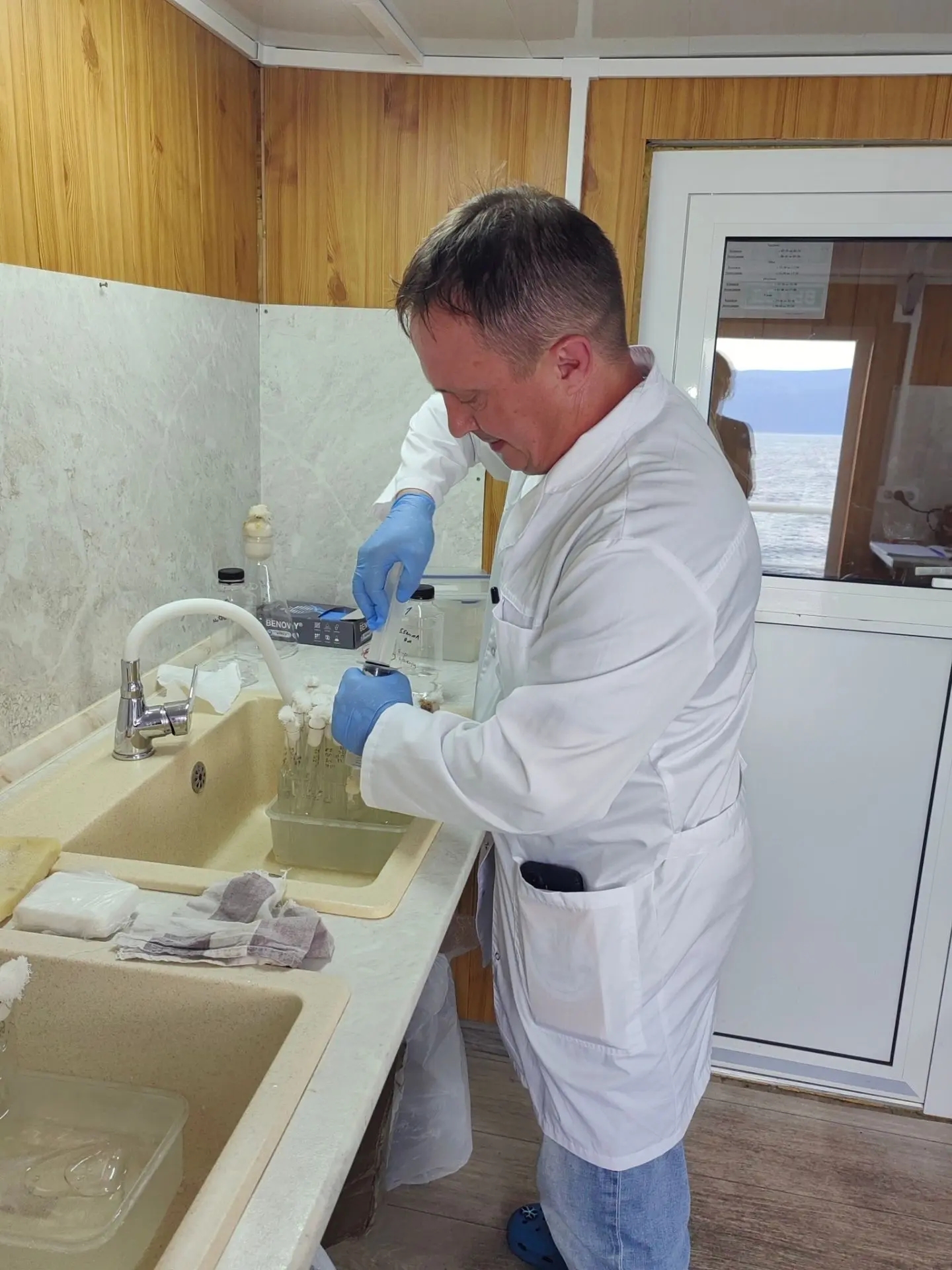
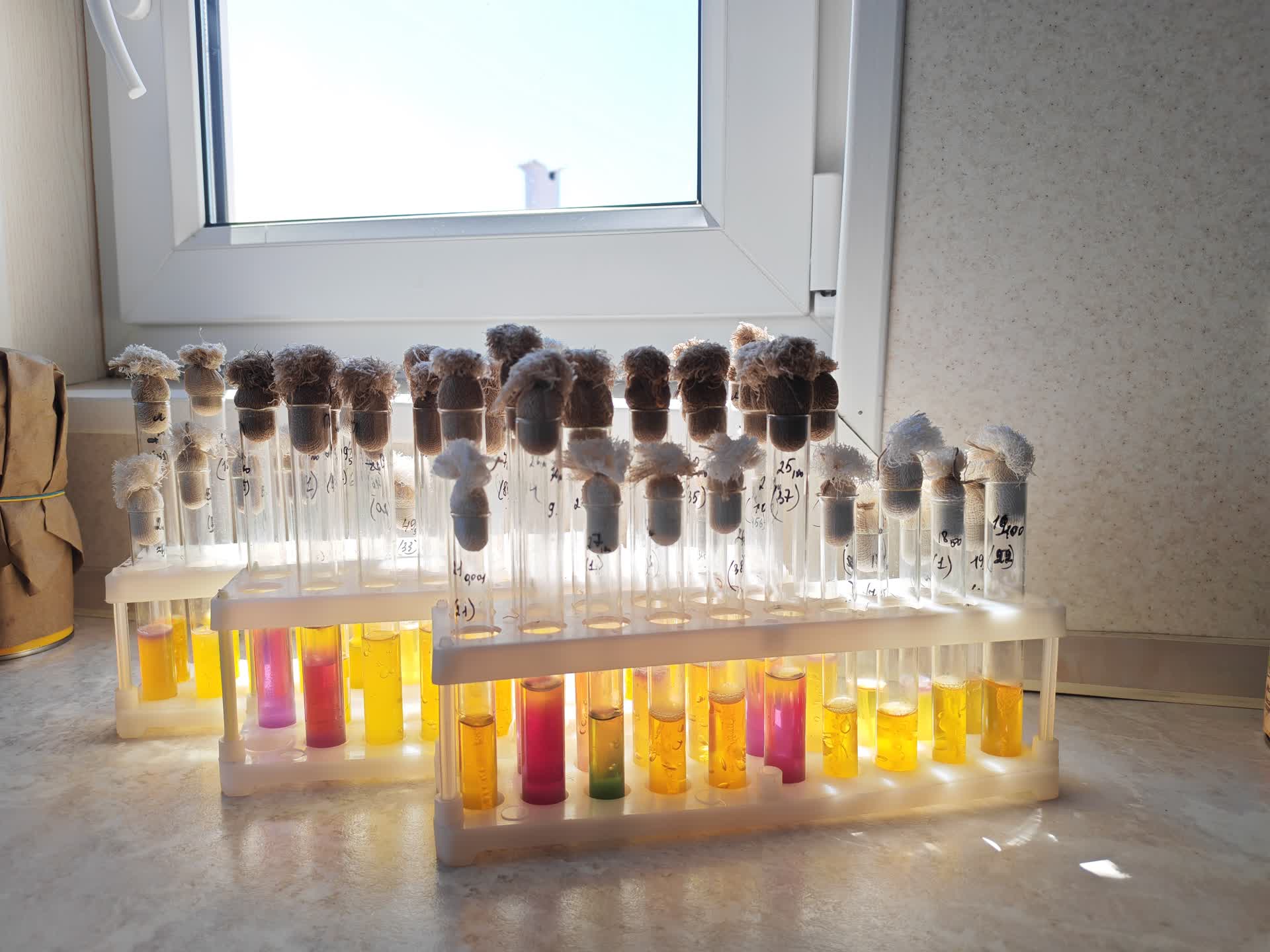
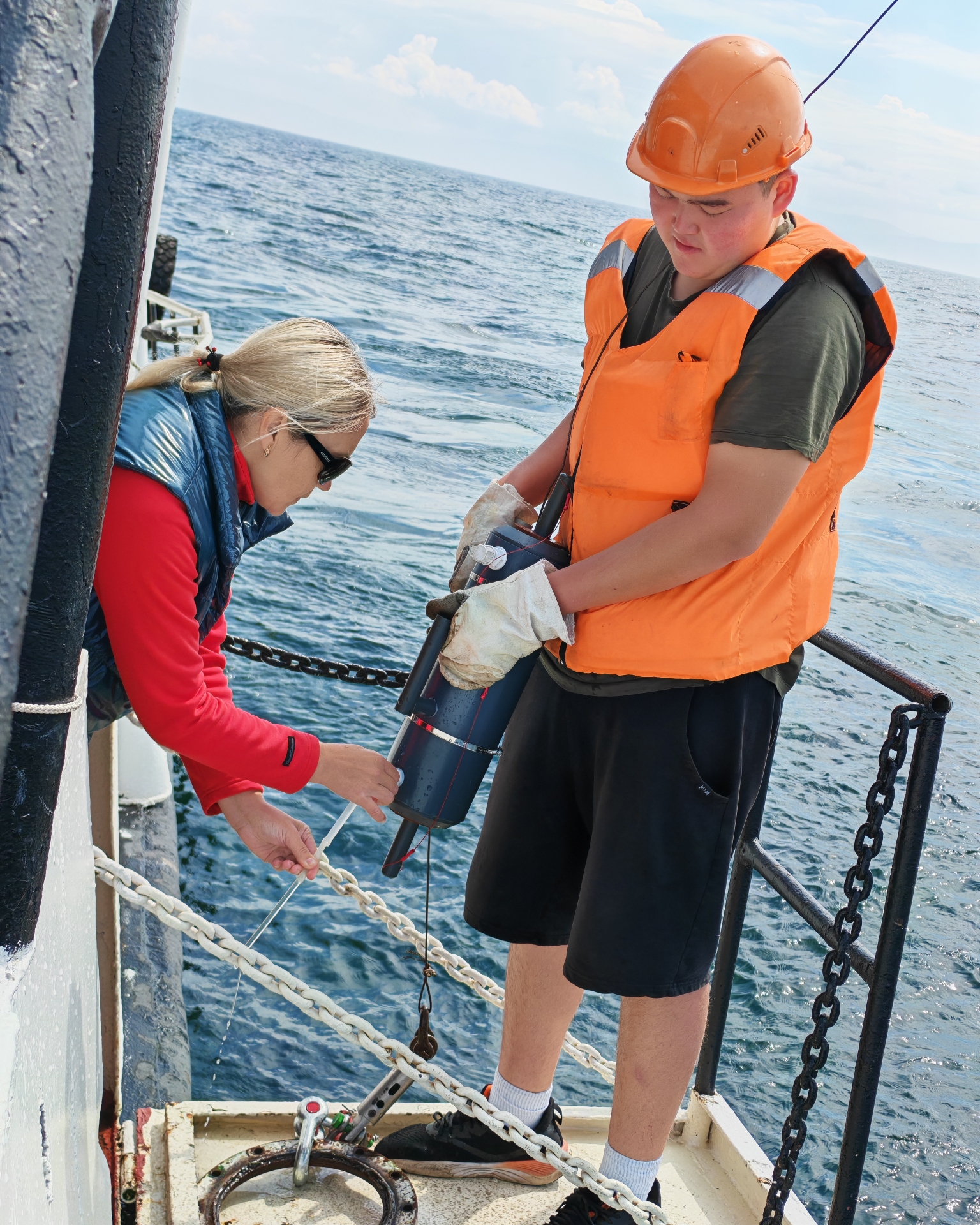
The planned expedition work was completed in full. Studies were conducted at 68 stations. Collected: 112 water samples for sanitary-microbiological analysis, 85 – for bacteriophage isolation, 64 – for hydrochemical analysis, 32 – for phytoplankton abundance counts, 30 – for picoplankton abundance counts, and 30 net samples for isolation of planktonic cyanobacterial cultures and cyanotoxin analysis. Two samples of bottom silty sediments were collected for obtaining cultures of nostocalean cyanobacteria. Twenty samples, including bottom sediments, were examined for the presence and abundance of bacteria of the nitrogen and phosphorus cycles.
For bacteriophage isolation, water samples were collected from the pelagic and littoral zones, bays, and tributaries of Lake Baikal. Water samples were both filtered through bacterial filters to obtain the viral fraction and plated on various media from serial dilutions to obtain cultures of dominant oligotrophic, mesotrophic, and cyanobacteria. Subsequently, the viral fractions obtained during the expedition will be tested on the dominant cultivable microorganisms. In addition, 37 samples were filtered and frozen for further analysis to track the sources of microbial contamination.
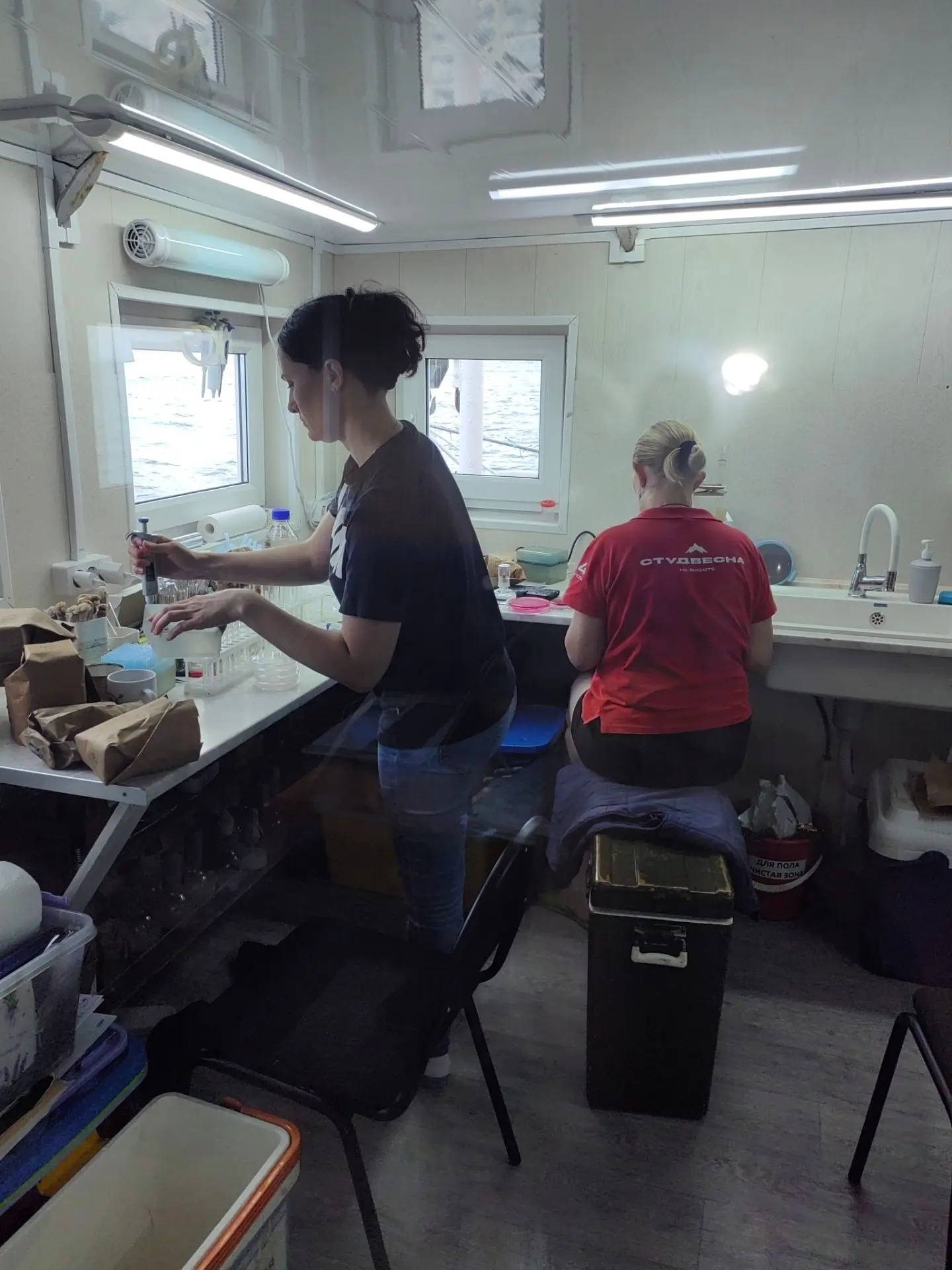
In addition, during the expedition, 6 water samples were collected from Lake Baikal, the Turka River, and Lake Kotokel (with a volume of 10 to 80 liters each) for virus concentration (viromes). As a result of the work on board the ship, 222 filters with various pore sizes were obtained for subsequent metagenomic and metatranscriptomic analysis.
At all stations, the water quality was assessed according to the main sanitary-microbiological parameters. As a result of the studies, pelagic water samples from Lake Baikal complied with drinking water standards in accordance with SanPiN 1.2.3685-21 “Hygienic standards and requirements for ensuring the safety and (or) harmlessness of environmental factors for humans.” Exceedances of surface water standards for sanitary-microbiological parameters were revealed at 34 of the studied stations.